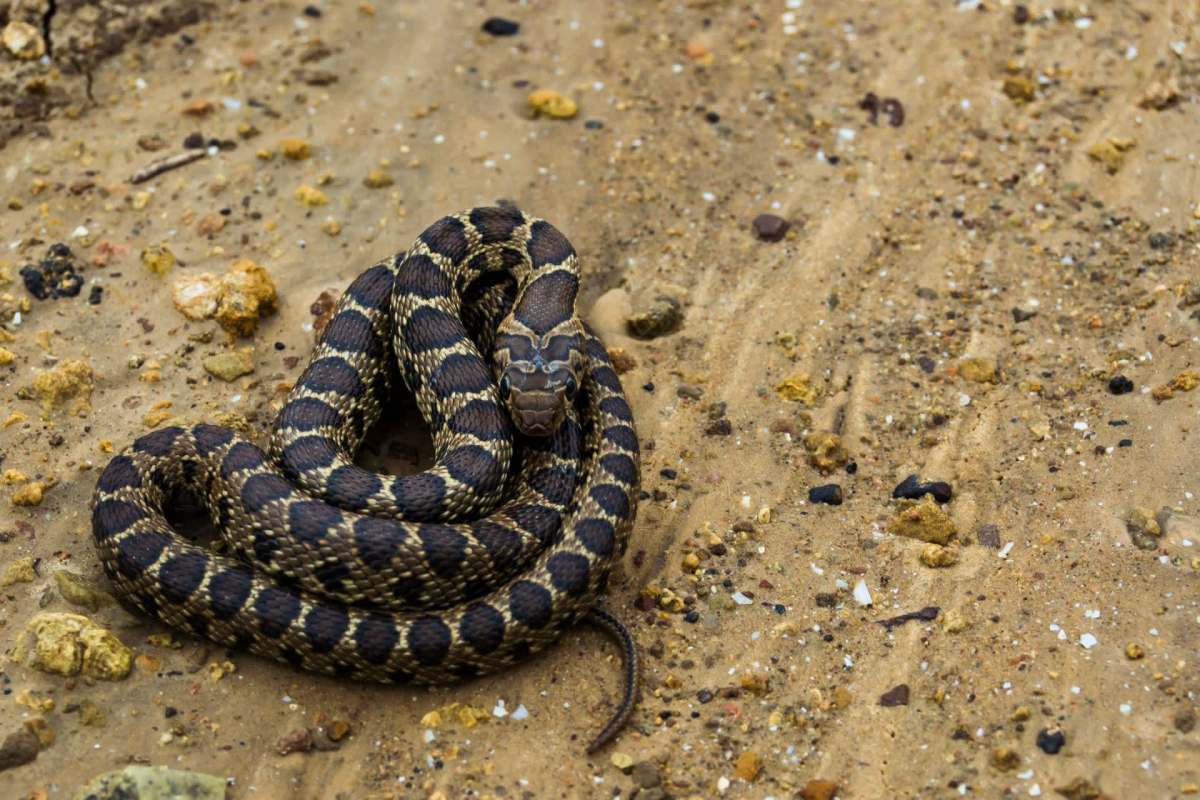
Scientists have said a quiet ecological crisis has been unfolding in Ibiza for roughly two decades.
An invasive snake likely introduced in imported olive trees has spread across the island and contributed to native lizard losses in parts of the region.
What happened?
Scientists reconstructed how the horseshoe whip snake, or Hemorrhois hippocrepis, moved through Ibiza by examining more than 5,000 mapped observations of captured snakes and lizard sightings gathered from two decades of fieldwork and standardized transects, The Times of India reported.
According to the study, published in the journal Proceedings of the Royal Society B, the species appears to have reached Ibiza in the early 2000s as an unintended passenger in shipments of olive trees.
After gaining a foothold, it encountered few natural checks on the island and kept pushing into new territory.
The analysis indicated that the spread is not happening through snake movement alone: human transport is also carrying the reptiles into additional areas, speeding up the invasion.
TCD Picks » Quince Spotlight
💡These best-sellers from Quince deliver affordable, sustainable luxury for all




Why does it matter?
Ibiza's native lizards are part of the island's natural heritage. The Ibiza wall lizard is most at risk, a keystone species that is considered endangered and found nowhere else on the planet.
Island species are often especially vulnerable to invasive predators because they evolved without them. When a new hunter arrives and spreads quickly, native animals may have little time to adapt.
A separate study in the journal Ecology found that these snakes even swam to nearby islets and wiped out endemic lizards there. It also noted the wall lizard makes up half of the horseshoe whip snake's diet.
Healthy ecosystems support recreation, tourism, and biodiversity. When invasive species erase native wildlife, it can weaken ecological balance and leave local communities to bear the costs of restoring damaged habitats.
What's being done?
Scientists tracked the invasion in real time using thousands of records, giving land managers a clearer picture of where the snakes are spreading and how quickly local lizard populations are vanishing.
That kind of information can help officials target removals, improve monitoring, and prioritize areas where native wildlife still has a chance. It also points to the need for tighter inspections of imported trees and other plant shipments that can carry hidden animals.
Public awareness is another major part of the response. Since the study found that people are helping move snakes to new areas, residents, landscapers, transport workers, and property owners can all play a role by checking plant materials and reporting sightings.
Without faster detection, stronger safeguards around plant imports, and public cooperation, native species can disappear before communities fully grasp what has been lost.

Get TCD's free newsletters for easy tips, smart advice, and a chance to earn $5,000 toward home upgrades. To see more stories like this one, change your Google preferences here.