


Plants lining a trail or ditch may look harmless, but some of them can quietly reshape an entire ecosystem.
What's happening?
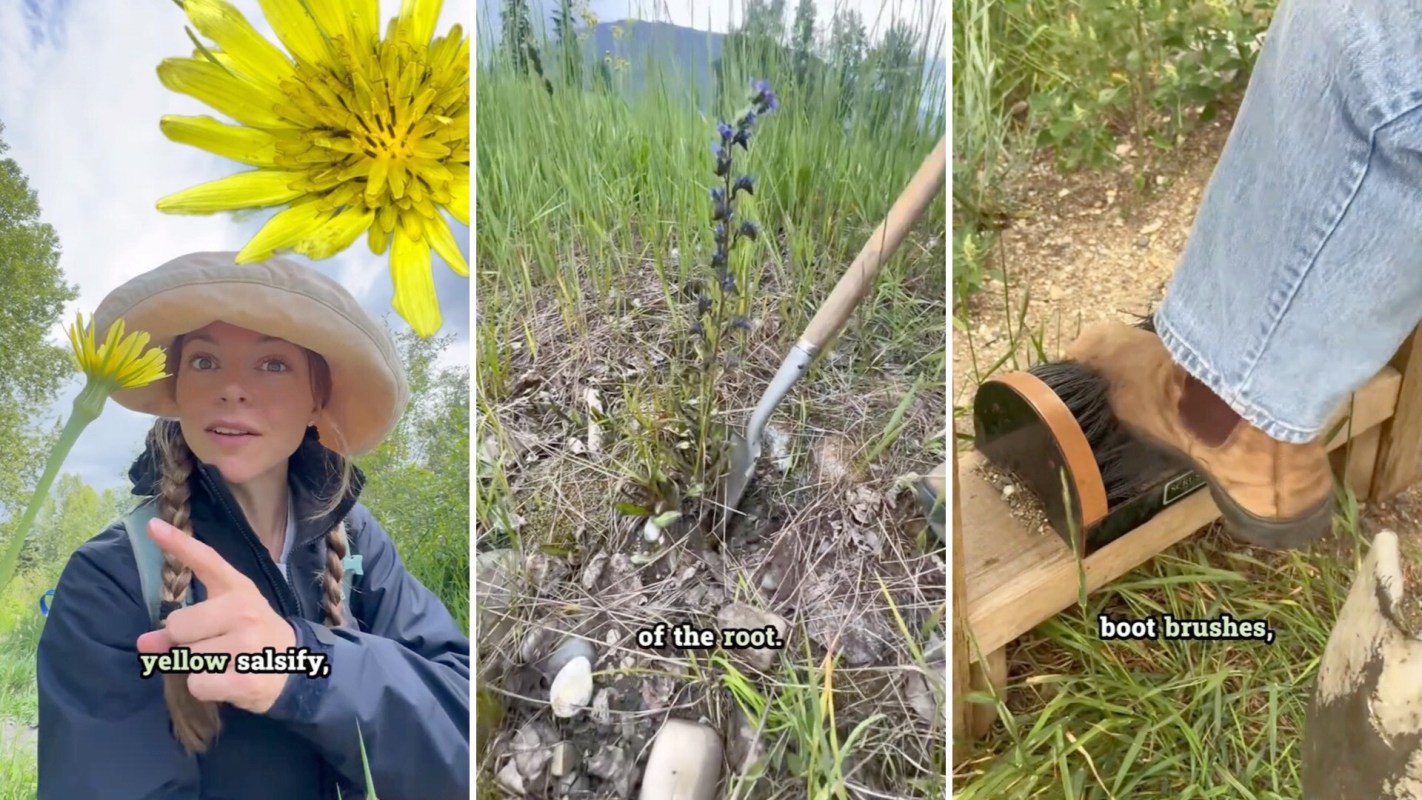
In a TikTok video, The Nature Educator (@thenatureeducator) summed up how dramatically invasive species can reshape natural landscapes.
@thenatureeducator Spread the word - not the plants! 🌿 Invasive species are non-native plants and animals that have been introduced to an ecosystem where they do not naturally occur. They are one of the biggest threats to biodiversity as they outcompete native species for water, nutrients, space, and light, and also because they usually lack pathogens and predators that keep their abundance in check. Without this natural population control, invasive species spread rapidy and take over new ecosystems, thus making it incredibly difficult (and expensive) to control them. In @Revelstoke, the Columbia Shuswap Invasive Species Society (CSISS) facilitates the prevention, reduction, and management of invasive species through collaboration, coordination, and engagement. They host community events such as weed pulls, training presentations, and workshops where locals and visitors can participate to learn and take action. There are many ways that you can help: 🥾Properly clean all your gear and equiptment – Some surfaces hold onto to plant seeds and transfer them to new locations. 💦 Clean, Drain, Dry – aquatic invasive species are known to spread via water recreation equipment such as boats and trailers. 🔥 Use local firewood - avoid moving firewood long distances as it can contain invasive forest pests and diseases. 🐢 Avoid releasing aquatic plants or pets into nature - many invasive aquatic and terrestrial species have been introduced through human release. Attend local community invasive species removal events with organizations such as CSISS 👩💻 Report invasive species - through the Report Invasives BC (while in British Columbia), EDDMapS (North America) and iNaturalist (global). You can also report them emailing/calling your local invasive species non-profit organization. 💚 Share this video - raising awareness and educationg others about invasive species is the first step towards taking action to help prevent and control the spread. Have questions? Ask us in the comments below! #revelstoke #InvasiveSpecies #invasiveplants #Conservation #nature ♬ original sound - thenatureeducator
The video spotlights the Columbia Shuswap Invasive Species Society and its work to prevent, reduce, and manage invasive plants in British Columbia.
Invasive species can "outcompete native species, disturb habitats and throw off ecosystem balance," The Nature Educator said.
The creator highlighted local examples, such as blue weed, reed canary grass, and oxeye daisy. The footage also shows people digging them out carefully so as much of the root system as possible comes up with the plant.
If you're concerned about invasive species in your area, start by learning which plants and animals are native and which invasive species pose the greatest threat. Understanding what belongs — and what doesn't — can help you identify problems early, avoid accidentally spreading invasive species, and support local conservation efforts.
TCD Picks » Quince Spotlight
💡These best-sellers from Quince deliver affordable, sustainable luxury for all




Why does it matter?
A major reason invasive species are so damaging is that they compete with native plants for basics such as water, sunlight, nutrients, and space.
Their spread can accelerate when predators or diseases that would limit them in their usual range are not present.
As native vegetation declines, pollinators and other wildlife may also lose important food and shelter. That can leave whole areas less able to bounce back, while any attempt to restore them may become more difficult and more expensive.
These problems can affect parks, waterways, roadsides, and other recreation spaces. Seeds from invasive species can also travel on boots, bike tires, boats, trailers, and camping gear, so routine outdoor trips can move invasive plants into new places.
What can I do?
Not every step to limit the spread is complicated.
One basic recommendation from the post is to wash your outdoor gear and equipment well, since seeds can cling to surfaces and be transported elsewhere.
For boating and other water activities, the creator advises people to "clean, drain, and dry" boats and trailers so that aquatic invasive species are less likely to move from place to place.
The post also advises buying local firewood rather than transporting it over long distances, as wood can harbor pests and diseases.
Another warning is not to dump aquatic plants or release pets into natural areas where they may turn invasive.
People looking for a more direct role can also join community removal events as a hands-on way to support local ecosystems.

Get TCD's free newsletters for easy tips, smart advice, and a chance to earn $5,000 toward home upgrades. To see more stories like this one, change your Google preferences here.






