


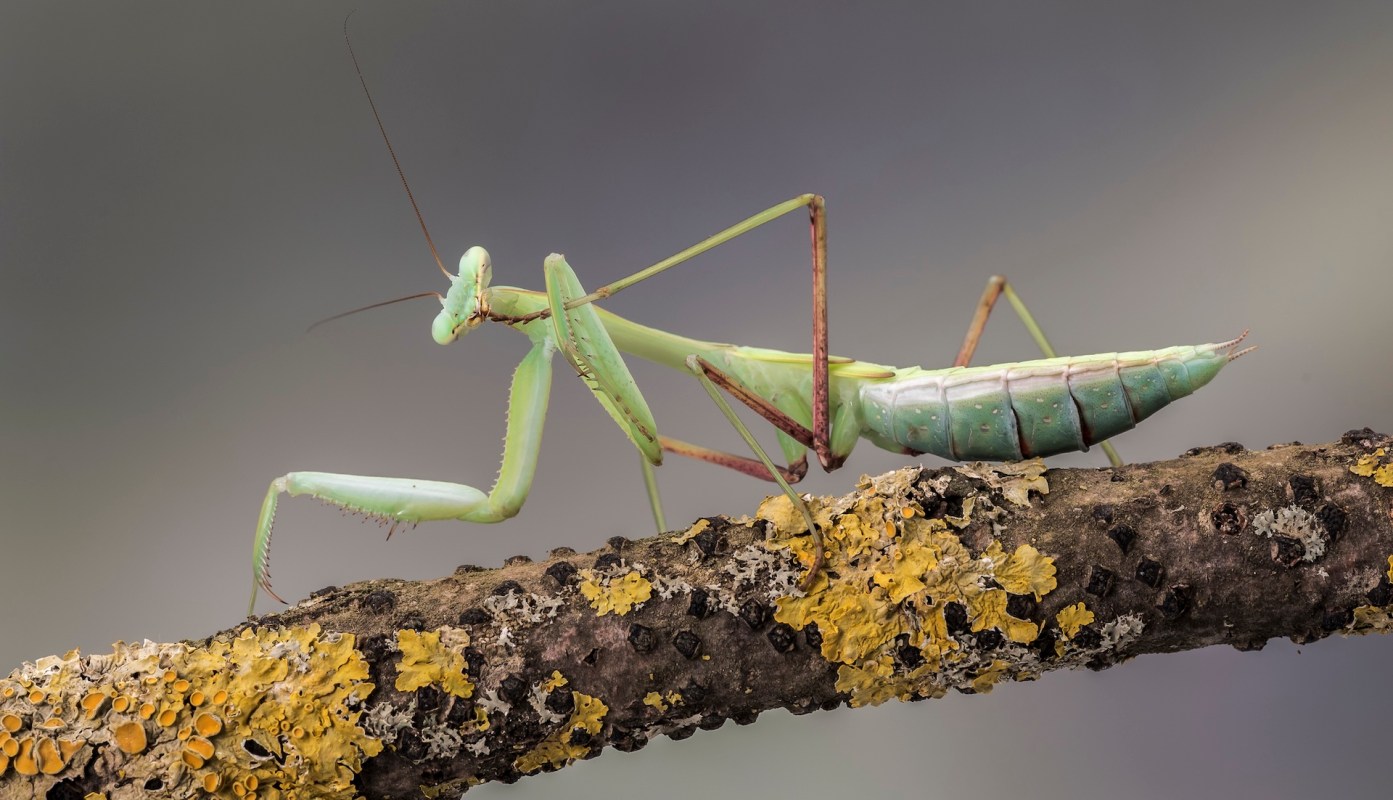
Europe's native praying mantises are facing an unusual and deadly new threat: a case of mistaken identity. Two large invasive mantis species spread across parts of Europe, and native males appear unable to distinguish them from their own species until it is too late.
What's happening?
As these introduced mantises extend their range in Europe, they are crossing paths more often with the native European mantis.
According to Discover Wildlife, the danger is not limited to competition over space. Researchers found that native males sometimes treat the bigger invasive females as mates, and those encounters can end with the males being attacked and eaten.
Because the invasive females are both larger and stronger, a courtship attempt can quickly become fatal for the native male.
In practical terms, native males are being removed from the breeding population even as the invasive species continue to establish themselves in new areas.
Why does it matter?
When invasive species enter a new ecosystem, the damage is not always immediately obvious. In this case, the disruption is unfolding through mating behavior, which could make it even harder for native mantis populations to hold on to their numbers.
TCD Picks » Quince Spotlight
💡These best-sellers from Quince deliver affordable, sustainable luxury for all




Mantises are predators that help shape insect communities, so shifts in their population can have wider effects. If native species decline, that can change how local ecosystems regulate other insects, including those that affect gardens, farms, and other green spaces.
For communities already trying to restore biodiversity, this kind of disruption can slow progress toward a healthier ecosystem. Invasive species can weaken local food webs, reduce the resilience of native wildlife, and create new burdens for conservation groups that are often operating with limited resources.
Biodiversity loss is not always caused by bulldozers or pollution alone. Sometimes it begins with introduced species spreading quietly until native animals can no longer compete — or, in this case, can no longer survive a mating mistake.
What's being done?
Scientists and conservationists are tracking where these mantises are appearing and how quickly they are spreading. Monitoring sightings is especially important because early detection gives researchers and officials a better chance to understand local impacts before invasive populations become even harder to manage.
Citizen science can also play an important role. Photos and reports submitted through local wildlife monitoring programs or biodiversity apps give experts more information about where the insects are turning up.
Practical prevention steps include avoiding the release of non-native pets or insects into the wild, using caution when moving plants or outdoor materials that could carry egg cases, and supporting habitat protection efforts that give native species a better chance of thriving.
Stronger reporting, better biosecurity, and a faster local response can reduce the chances that an ecological problem becomes harder to manage.
The situation shows how invasive species can reshape ecosystems in unexpected ways and put conservation progress at risk.

Get TCD's free newsletters for easy tips, smart advice, and a chance to earn $5,000 toward home upgrades. To see more stories like this one, change your Google preferences here.






