


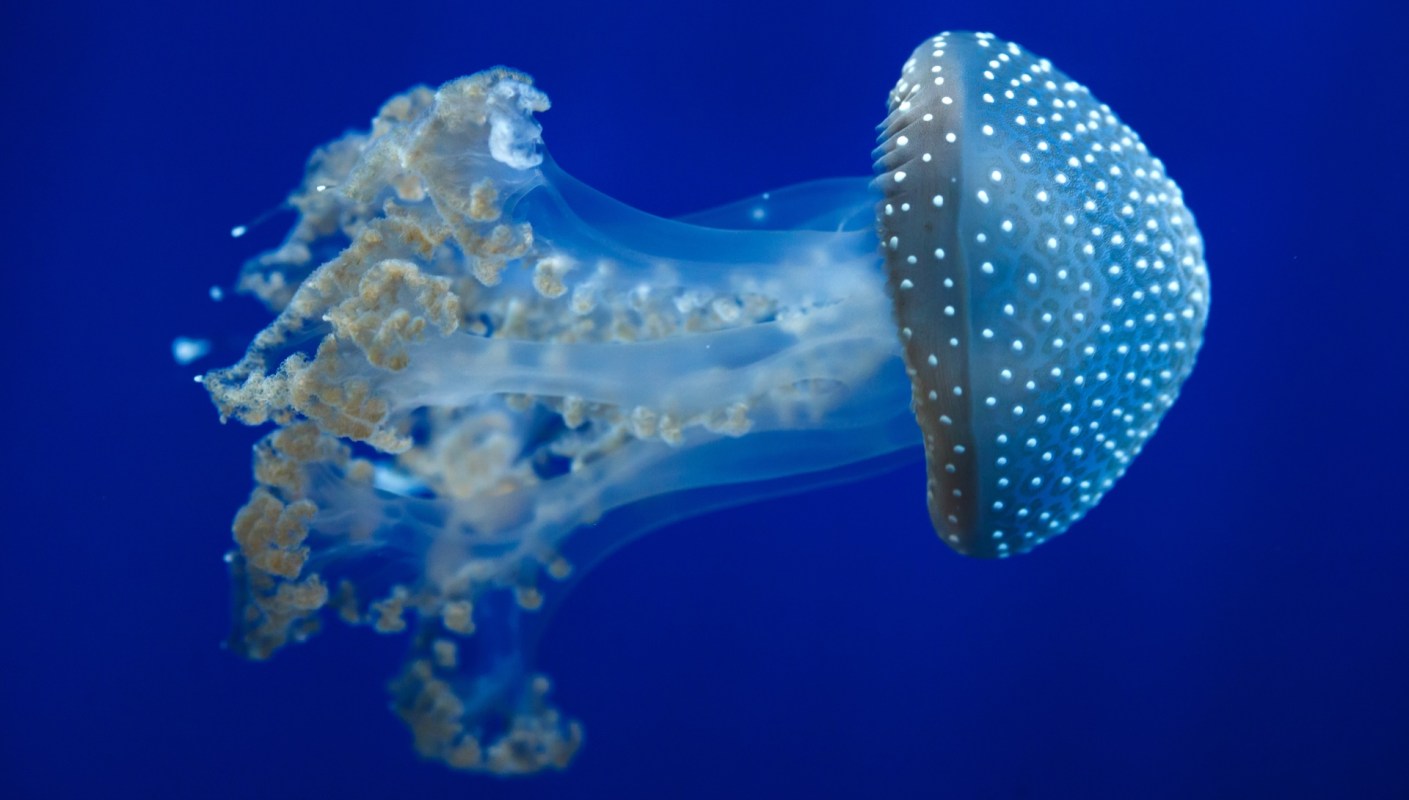
An invasive jellyfish has begun appearing along the Texas coast, creating yet another environmental concern for beachgoers, marine life, and coastal industries.
Researchers say while it is not considered a major threat to people, its presence could still cause meaningful trouble for local ecosystems and the shrimping industry.
What's happening?
About a dozen Australian white-spotted jellyfish have been found on Texas's Gulf Coast beaches during surveys over the past two weeks, Houston Public Media reported.
According to the outlet, the species is recognizable by its white-speckled bells and arms described as "broccoli-like." These jellies are generally small, though they can grow to a bell up to 20 inches across.
Why does it matter?
Invasive species can disrupt ecosystems, and these jellyfish are no exception.
The Australian white-spotted jellyfish eats plankton, placing it in competition with native Texas species that depend on that same food source. Pressure on plankton can move through the food web, affecting other marine life and the coastal economy tied to it.
TCD Picks » Quince Spotlight
💡These best-sellers from Quince deliver affordable, sustainable luxury for all




The impacts of this invasive jellyfish extend beyond marine ecology. These animals also interfere with shrimp harvests by clogging fishing nets and damaging gear. Fishing communities can feel their impact through lost income and rising costs.
The United States Geological Survey has already confirmed that the species' presence in the northern Gulf "had a direct economic impact on the shrimp fishery [industry]."
What's being done?
For now, monitoring remains the most immediate response. Scientists and agencies have long tracked invasive marine species to understand where populations are spreading and how they could affect fisheries and coastal habitats.
Researchers are surveying beaches southwest of Galveston and said the jellyfish are likely appearing elsewhere along the Texas coast as ocean currents carry them from place to place, per Houston Public Media.
Warmer summer conditions may also make the jellyfish more visible along Texas beaches.

Get TCD's free newsletters for easy tips, smart advice, and a chance to earn $5,000 toward home upgrades. To see more stories like this one, change your Google preferences here.






