


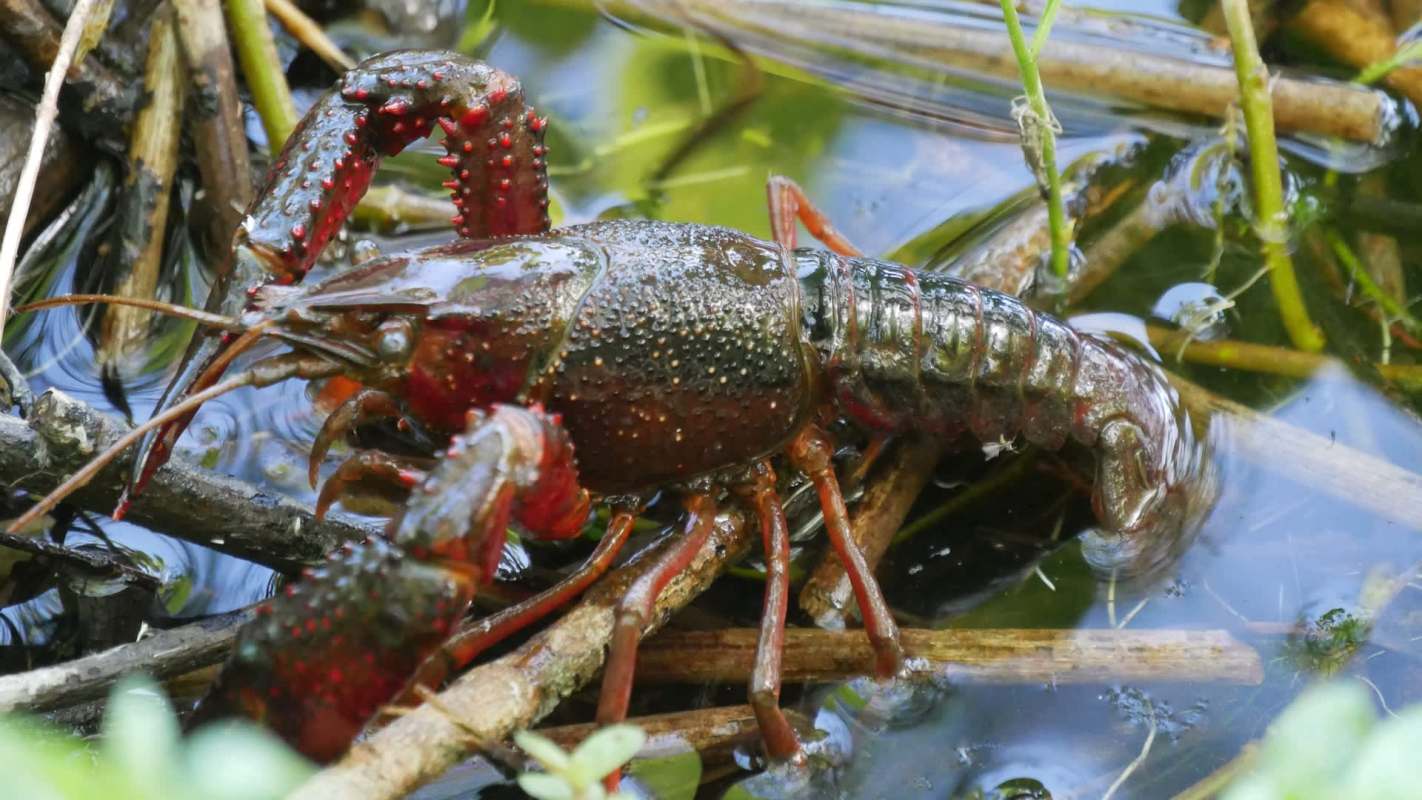
Lake Tahoe's postcard-worthy views conceal a much larger problem beneath the surface: Invasive signal crayfish are estimated to number between 240 million and 280 million in the lake.
The same kind of damage is playing out far beyond Tahoe. Across the United States, wildlife managers are seeing invasive crayfish reshape shorelines, fisheries, and sensitive habitats faster than many lakes can recover.
What's happening?
According to WorldAtlas, several major U.S. lakes are entrenched with invasive crayfish populations.
The change at Tahoe has been dramatic. The outlet reported that signal crayfish numbered about 56 million in the 1960s, and current figures suggest populations could now be as high as 280 million. WorldAtlas said they were introduced in the late 1800s as food for stocked trout and for people.
Minnesota's Department of Natural Resources says, as WorldAtlas reported, rusty crayfish entered Minnesota waters of Lake of the Woods in 2006 and have since "slowly expanded their range southward." Farther west, signal crayfish at Crater Lake spread from roughly half the shoreline in 2008 to 95% by 2020.
In the Great Lakes, researchers in Lake Michigan have documented exceptionally fast crayfish spread, while in the Lake Champlain basin, the Lake Champlain Basin Program has recorded 51 non-native and invasive species, including rusty crayfish, according to WorldAtlas.
TCD Picks » Quince Spotlight
💡These best-sellers from Quince deliver affordable, sustainable luxury for all




Why does it matter?
As they stir up bottom sediment, invasive crayfish eat snails, algae, plants, native insects, and fish eggs, a combination that can throw entire food webs out of balance.
At Tahoe, researchers have associated the surge in crayfish with declines in native invertebrates and with stronger support for smallmouth bass, another invasive species, WorldAtlas reported.
That chain reaction can affect communities that rely on healthy lakes for fishing, tourism, and recreation. Lakes such as Champlain and Lake of the Woods support valued fisheries, and disruptions at the base of the food chain can ripple upward to the fish species anglers and local businesses depend on.
Crater Lake shows how specific that damage can become: WorldAtlas noted that invasive crayfish threaten the Mazama newt, a species that exists only there.
Once a lake is heavily altered, restoration becomes much more difficult and costly, slowing efforts to rebuild healthier ecosystems that benefit both wildlife and nearby communities.
What's being done?
Even where full eradication is not considered realistic, managers are trying to reduce the damage.
Targeted trapping is being used at Tahoe to test whether lowering crayfish numbers in certain areas can help native species recover, WorldAtlas said. The Tahoe Regional Planning Agency and UC Davis' Tahoe Environmental Research Center are also monitoring crayfish numbers.
Because bait movement has been a major pathway for the spread of rusty crayfish, prevention remains especially important elsewhere. As WorldAtlas noted, the Lake Champlain Basin Program tells boaters and anglers never to dump leftover bait, to inspect gear carefully, and to wash out, drain, and dry equipment.
Direct-removal efforts have also shown how difficult the problem is to solve. At Crater Lake's Phantom Ship, WorldAtlas reported that three years of intensive trapping saw the population grow by about tenfold rather than decline. In northern Lake Michigan, crews removed 3,182 rusty crayfish in 17,825 trap-days on spawning reefs, according to WorldAtlas, but the population bounced back.

Get TCD's free newsletters for easy tips, smart advice, and a chance to earn $5,000 toward home upgrades. To see more stories like this one, change your Google preferences here.






