


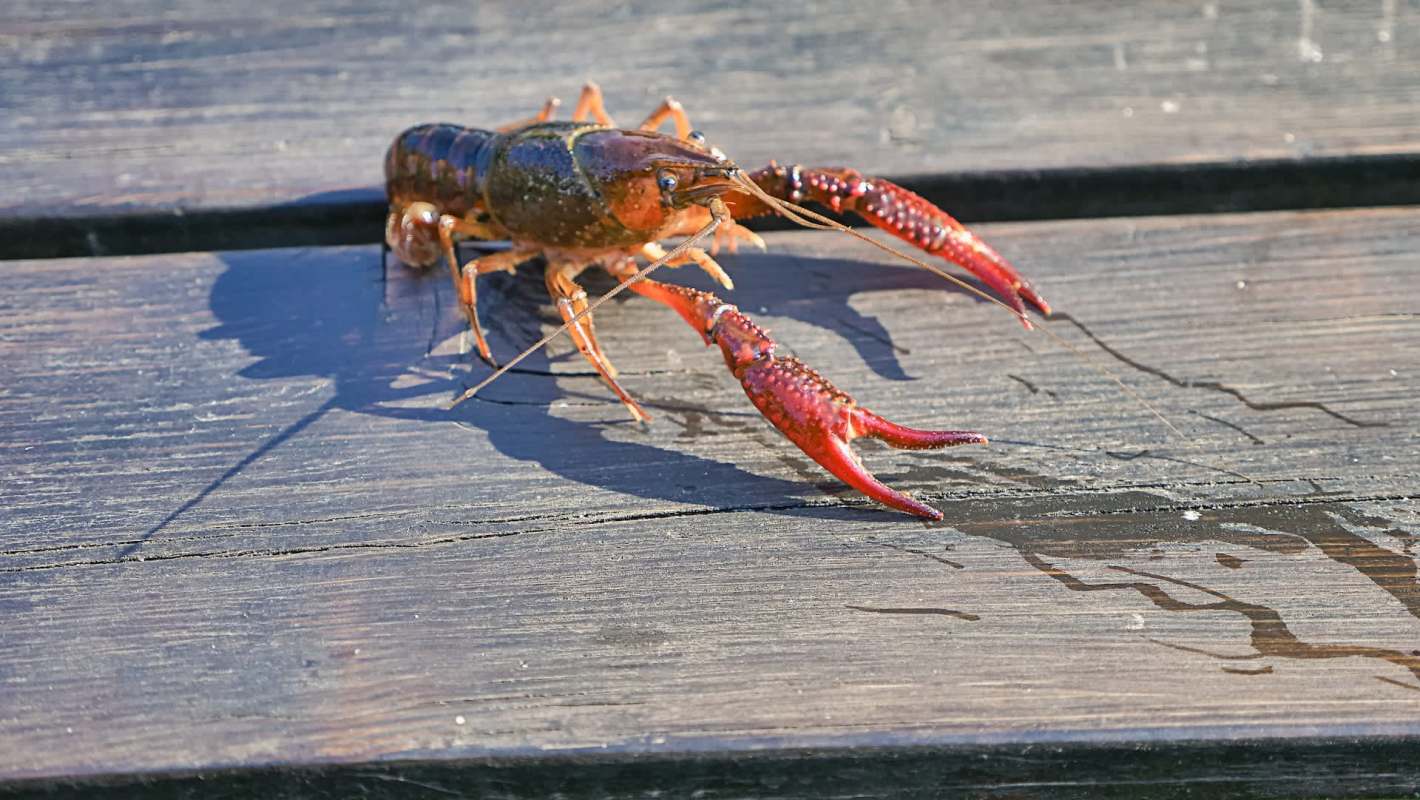
Central Ohio might seem like a strange place to encounter crustaceans, but Columbus residents have now reported several sightings of the invasive red swamp crayfish near bodies of water.
What's happening?
Several people in Ohio have recently posted on Reddit to report spotting what appeared to be red swamp crayfish in yards and on patios, according to Axios Columbus.
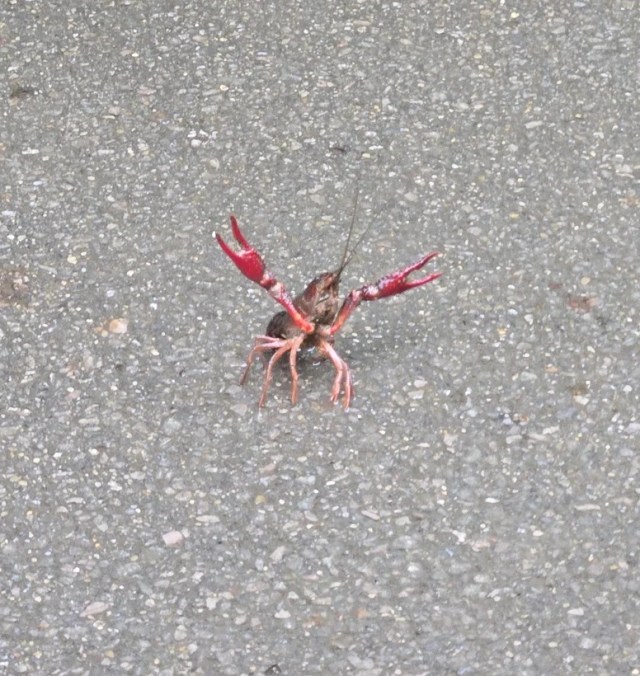
The species can outcompete native wildlife for resources, damage vegetation, and alter water quality, putting ponds, creeks, and wetlands at risk.
The crayfish have spread beyond their native range through the pet trade and other sales channels that have since been banned. However, as Axios Columbus reported, Ohio's clay-rich soil has made it difficult for the species to really gain a foothold in the state.
Meanwhile, the marbled crayfish species may represent a larger threat. While it has not yet established itself in Ohio, wildlife experts fear that the marbled species could be disastrous for local habitats.
Because marbled crayfish can reproduce asexually, it is quite easy for them to spread. As crayfish biologist Roger Thoma explained to Axios, the red swamp crayfish's presence is "not a death sentence like some of these marbled crayfish could be."
TCD Picks » Quince Spotlight
💡These best-sellers from Quince deliver affordable, sustainable luxury for all




Why does it matter?
Catching an invasive species early is often much easier and less expensive than managing it after it becomes established.
Introduced species can weaken ecosystems by crowding out native animals, spreading disease, and damaging plants and water systems. This can have real consequences for people as well.
When local habitats and waterways are under stress, communities can see declines in wildlife populations, impacts on water quality, effects on recreational spaces, and higher costs for monitoring and control.
What's next?
There are already some protections in place. The sales channels that helped spread red swamp crayfish have been banned, and federal officials have already used wildlife-trafficking laws in response to alleged illegal marbled crayfish sales.
Officials are telling residents never to release aquarium animals, bait, or unwanted pets into the wild. Even one escape or intentional release can create problems that spread through streams, drainage systems, and neighborhood ponds.
If people spot unusual crayfish near homes or waterways, documenting the sighting and reporting it to state or local wildlife officials can help with early detection. Residents should also avoid moving the animals to another body of water, which could worsen the problem.

Get TCD's free newsletters for easy tips, smart advice, and a chance to earn $5,000 toward home upgrades. To see more stories like this one, change your Google preferences here.






