


An agricultural startup in France wants to leverage insect-based protein to tackle food waste and strengthen the food chain, but not in the way you might expect, according to The Washington Post.
A few years ago, a World Economic Forum report highlighted insects as an alternative source of protein, sparking global backlash. Consequently, while insects can be a healthy form of protein with the right preparation and are common in some cultures, many people became hostile to any adjacent mentions of "insects" and "food."
First things first: Innovafeed is not looking to introduce insect protein as food for humans.
In fact, the French agtech company's operations target a few sustainability challenges in agriculture, with feed — for livestock — being just one among them.
In an April 2024 news release, Innovafeed articulated its goal to build "a circular, waste-free food chain that replicates the natural role of the insect." The company also emphasized a focus on "circular economy partnerships," hinting at its symbiotic structure.
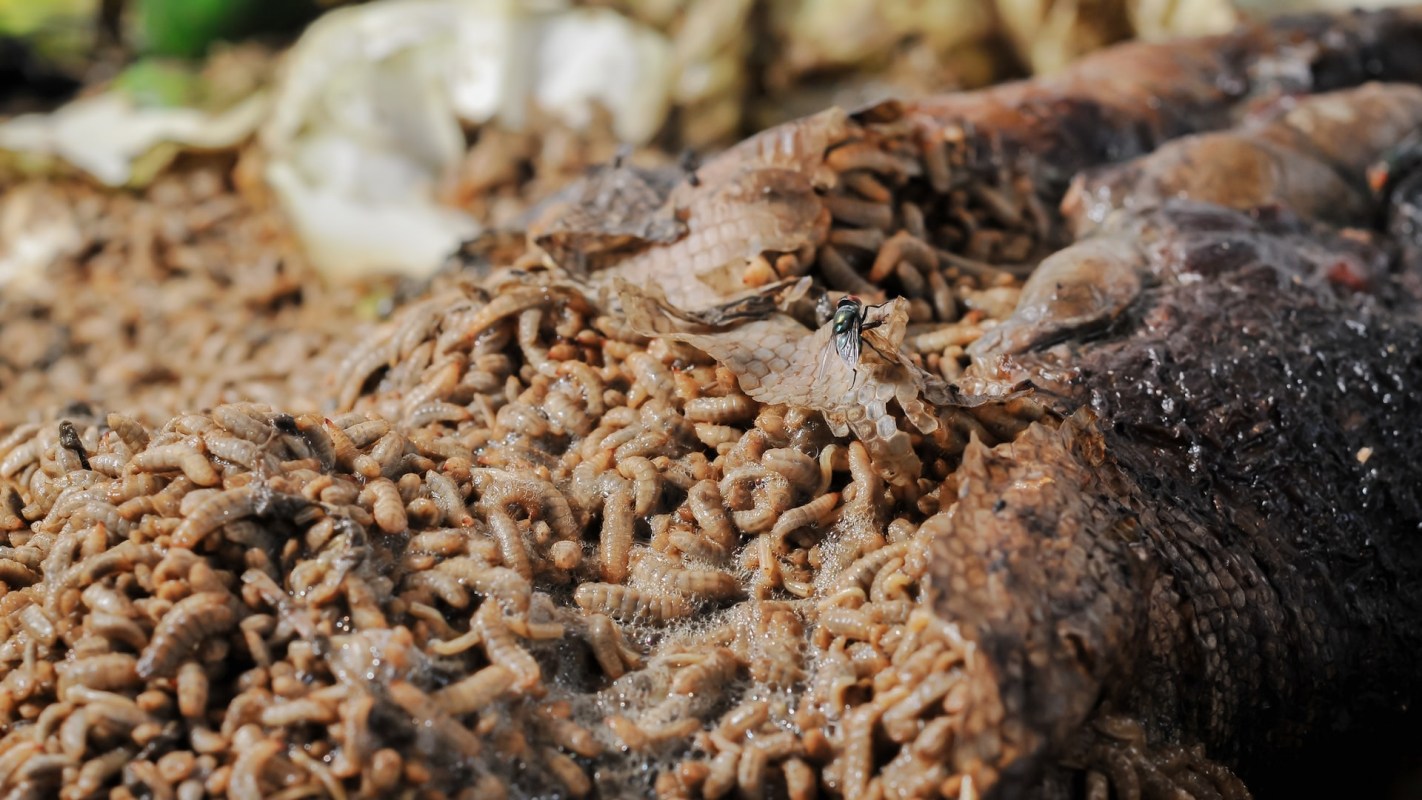
Innovafeed specifically works with black soldier flies, which the Post described as innately "gifted recyclers," consuming "dead and decaying" organic material to produce "a source of protein that nourishes fish, birds, and other creatures."
"What makes the black soldier fly the crown jewel is that it can eat anything," Texas A&M University entomology professor Jeff Tomberlin told the Post.
At an Innovafeed facility in Nesle, the company's circular focus extends to its population of black soldier flies, as each aspect of their life cycle is tied into its operations. A lucky 5% of those insects reach the adult stage to reproduce, but their larvae are particularly important.
In their natural habitat, black soldier fly larvae have a "rancid diet" of rotting organic material, flora, and fauna. As such, they've evolved to be immune to the standard consequences of consuming rotting and decaying matter — which is where food waste comes in.
Innovafeed partners with local manufacturing facilities. Its byproducts of bran and stillage would typically become industrial food waste, but Innovafeed prevents that by using them to sustain its army of black soldier flies.
TCD Picks » Quince Spotlight
💡These best-sellers from Quince deliver affordable, sustainable luxury for all




|
What should the government do about the fast fashion industry?
Click your choice to see results and speak your mind. |
 Set strict regulations 🚫
 At a personal level, combating food waste can be as simple as creatively repurposing leftovers or upping your food storage game. At scale, it's less simple.
Food waste isn't just a waste problem — it's a massive contributor to the polluting gases that are overheating the planet. According to the U.S. Environmental Protection Agency, landfilled food waste is responsible for an estimated 58% of methane emissions.
Each aspect of Innovafeed's mission and function is interconnected, much like the ecosystem as a whole. A significant amount of trial and error informs sustainable, circular operations, and the Post cited aquafeed manufacturer BioMar's realization of these inherently linked concerns.
In the 1990s, the fish feed supplier replaced wild fish with soy protein in an attempt to combat overfishing — and soon realized that the swap came with a hidden environmental cost in the form of emissions.
"While we solved one problem, we caused another," Katherine Bryar told the Post.
Inovafeed CEO Clément Ray was refreshingly candid when he talked to the paper about balancing these concerns at an industrial scale, acknowledging that the most sustainable path isn't always obvious.
Ray's clear-eyed and honest approach inspired trust — instead of claiming to have an airtight solution, he described an ongoing process hinging on how eco-friendly initiatives are executed.
"It's not a given that insect protein will have a lower carbon footprint than soy protein or fish meal. It completely depends on the way you farm, where you get your energy from, and how you feed the insects," Ray said.

Join our free newsletter for weekly updates on the latest innovations improving our lives and shaping our future, and don't miss this cool list of easy ways to help yourself while helping the planet.
Cool Picks





