


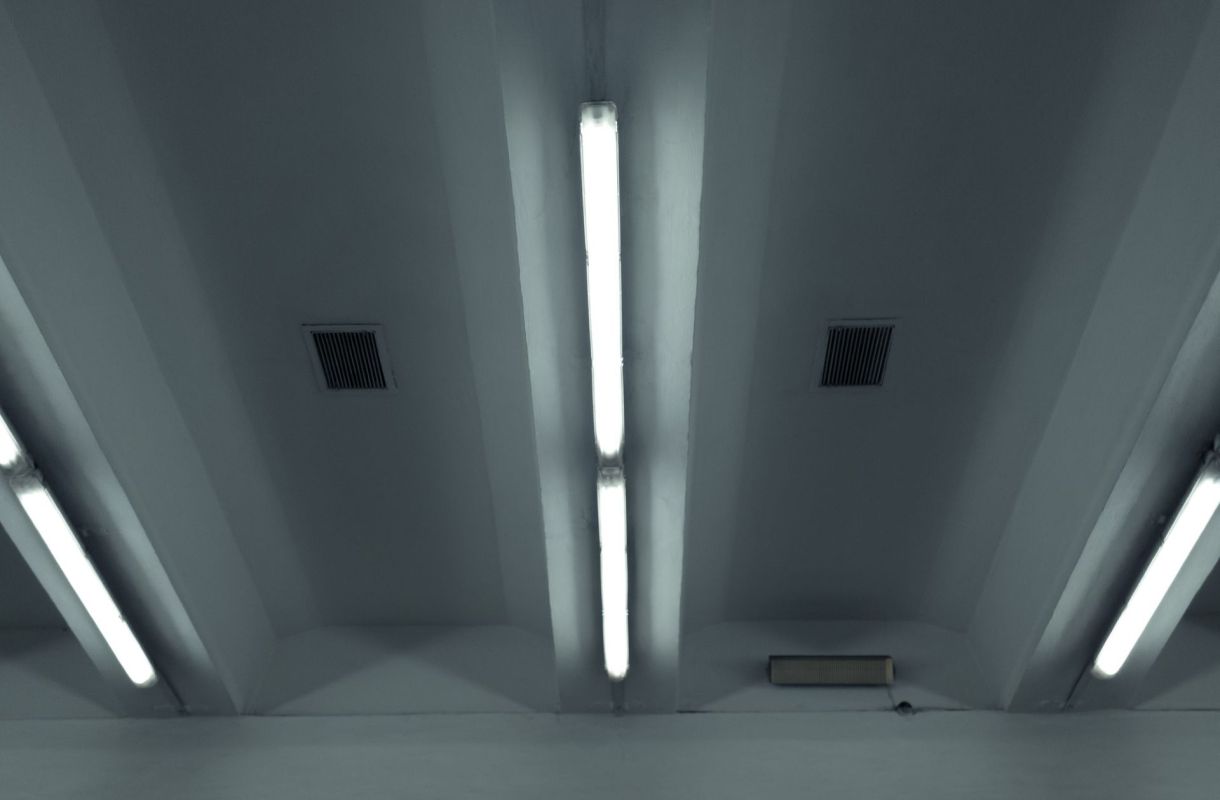
Solar experts in Taiwan are dabbling in cell molecular structure as they perfect devices that can harness energy from indoor light.
Happy Eco News reported that a team from National Yang Ming Chiao Tung University has developed a cell that can convert more than 36% of LED light into energy. It's a fascinating breakthrough that could help to power electronics, sensors, and health monitors — negating the need for batteries in certain scenarios.
"The implications of this development go far beyond convenience. These solar panels can help reduce electronic waste by replacing batteries in millions of devices that would otherwise require frequent replacement or recharging," Happy Eco News' Cyrene Oraya Reyes wrote.
The team is working with perovskite, a promising material that can turn light into electricity with astounding efficiencies when incorporated into panels. But short lifespans have been a significant hurdle. Solar Magazine reported that perovskite panels can last a couple of years, compared to 30-plus years for common silicon panels.
The cells needed some molecular tuning, particularly in the bonding agents, to achieve suitable charge transport in the wide-bandgap units. Additives also bind with unwanted ions, helping with longevity issues, per Happy Eco News.
It's a "promising passivation strategy for the development of high-performance" indoor light catchers, the experts wrote in the study.
TCD Picks » Quince Spotlight
💡These best-sellers from Quince deliver affordable, sustainable luxury for all




It's an interesting take on renewable energy, often characterized by large wind turbines and massive solar farms. But experts are working on devices that can make energy from low wind speeds and dim or indoor light. University College London is also working on cells that capture artificial illumination.
It's all helping to limit demand for electricity from dirty power sources that produce heat-trapping air pollution, linked by the American Lung Association to respiratory and other health risks.
All of our devices suck up loads of electricity. In fact, unplugging energy vampires, such as unused chargers, can save you $165 a year. Reducing the number of gadgets that need to be plugged in to begin with can solve much of the problem.
It's important because energy prices have been rising faster than inflation, according to NPR. Goldman Sachs expects the growth of data centers to suck up 165% more electricity by 2030, straining the grid.
|
How interested are you in going solar? Click your choice to see results and speak your mind. |
 Very 😍
 Household solar is one of the best protections against uncontrollable rate hikes. The free solar energy can be stored in batteries, offering blackout protection, or sold back to the grid for a profit when part of a virtual power plant. EnergySage can help you compare quotes, find a timely installer, and lock in federal tax breaks before they expire. The resource can save you up to $10,000 on upfront costs.
In Taiwan, replacing batteries with light-based energy can also help limit environmental risks. When improperly disposed of, lithium-ion batteries are a toxic hazard, according to the University of Texas, Dallas.
Happy Eco News reported that the team still has some work to do to boost efficiency in low-lit settings, but the progress is promising.
"These innovations are reshaping our energy future, starting inside our homes and offices," Reyes wrote.

Join our free newsletter for weekly updates on the latest innovations improving our lives and shaping our future, and don't miss this cool list of easy ways to help yourself while helping the planet.






