


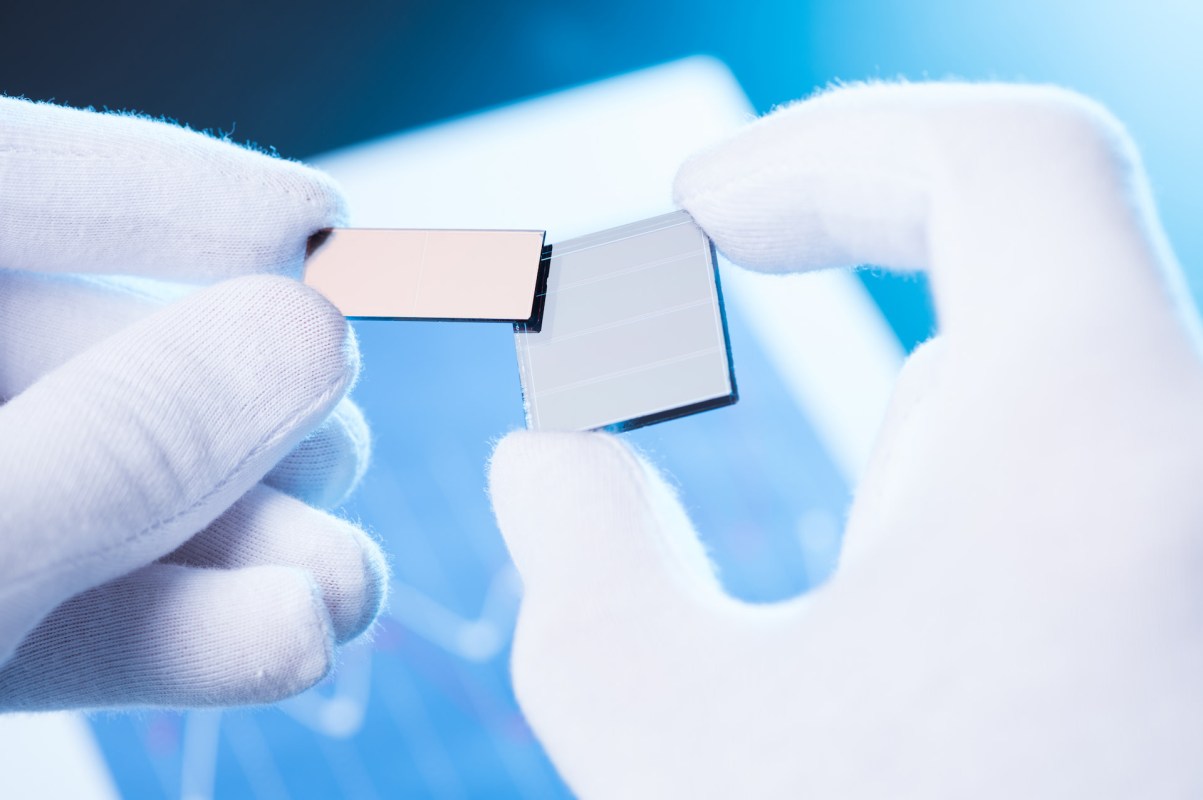
A new scientific breakthrough could soon make charging your devices indoors much easier. Researchers from Korea University and Dongguk University have developed a low-cost coating that enables a single device to generate power and detect light simultaneously, all under standard indoor conditions.
Interesting Engineering reported that the research team created a transparent molecular film made from a single, simple compound called benzene phosphonic acid (BPA). When applied to a common electrode found in solar panels, it forms a microscopic, self-assembling layer that allows energy to flow efficiently in one direction — capturing light and converting it to usable electricity while also detecting ambient light levels.
That means this new material can serve as both a solar cell and a photodetector, functions that previously required separate devices. In lab tests under indoor lighting, it achieved an impressive 28.6% efficiency and retained 87% of its performance after 1,000 hours, outperforming most comparable materials.
This advancement could revolutionize how we power small devices in our homes, offices, and cities. Many everyday technologies — like smart thermostats, motion sensors, and wearables — rely on batteries that eventually die and must be replaced. BPA's light-harvesting coating makes it possible for these devices to generate their own power directly from ambient light indoors.
Unlike previous hybrid designs, this one uses a single molecule, resulting in a simple, cheap, and scalable design. Researchers estimate that it has nearly nine times the cost-to-performance ratio of existing coatings. This minimalist innovation could accelerate the rollout of affordable, energy-independent technologies — from smart buildings to wearable medical sensors — thereby reducing our dependence on strained electricity grids that heavily rely on dirty energy sources, such as oil and gas.
Beyond the convenience, eliminating disposable batteries can significantly reduce electronic waste and save households and companies money over time. Worn-out batteries are also a major source of heavy metal pollution, contaminating soil and water, and potentially harming human health. By harnessing indoor lighting as a renewable power source, this new film provides a more sustainable alternative to grid dependence while also reducing pollution that exacerbates respiratory and cardiovascular conditions.
TCD Picks » Quince Spotlight
💡These best-sellers from Quince deliver affordable, sustainable luxury for all




Because the new material can be easily scaled, researchers believe it could be integrated into consumer electronics and smart infrastructure in the near future. It could also enable more sustainable Internet of Things (IoT) networks, powering billions of connected devices without the need for batteries or constant recharging.
In other words, a single transparent layer could one day enable your home's sensors, wearables, and even small appliances to run autonomously. This innovation also demonstrates how something as simple as adding one molecule to an existing structure can solve a problem that has been hindering technological advancements in this field for years.
|
How much would you pay for a phone that never needs recharging? Click your choice to see results and speak your mind. |
 $3K or more 💰
Join our free newsletter for weekly updates on the latest innovations improving our lives and shaping our future, and don't miss this cool list of easy ways to help yourself while helping the planet.







