


Sixty years after the Green Revolution, India may be on the cusp of another new dawn for agricultural output thanks to technological innovations.
India might be known in the West for its burgeoning tech sector, but much of the country still comprises farmers with relatively small holdings. Agriculture accounts for about 15% of India's economy, which is now the fifth-largest in the world, behind only the United States, China, Germany, and Japan. The World Bank describes India as a "global agricultural powerhouse," which is to be expected for the world's most populous country.
However, Indian agriculture faces some serious challenges in the coming century, including the effects of extreme weather on global food security. With no more land to cultivate and a population expected to hit 1.7 billion by the early 2060s, per The Hindu, Indian farmers need to do more with less and more sustainably. Technology may hold the answer.
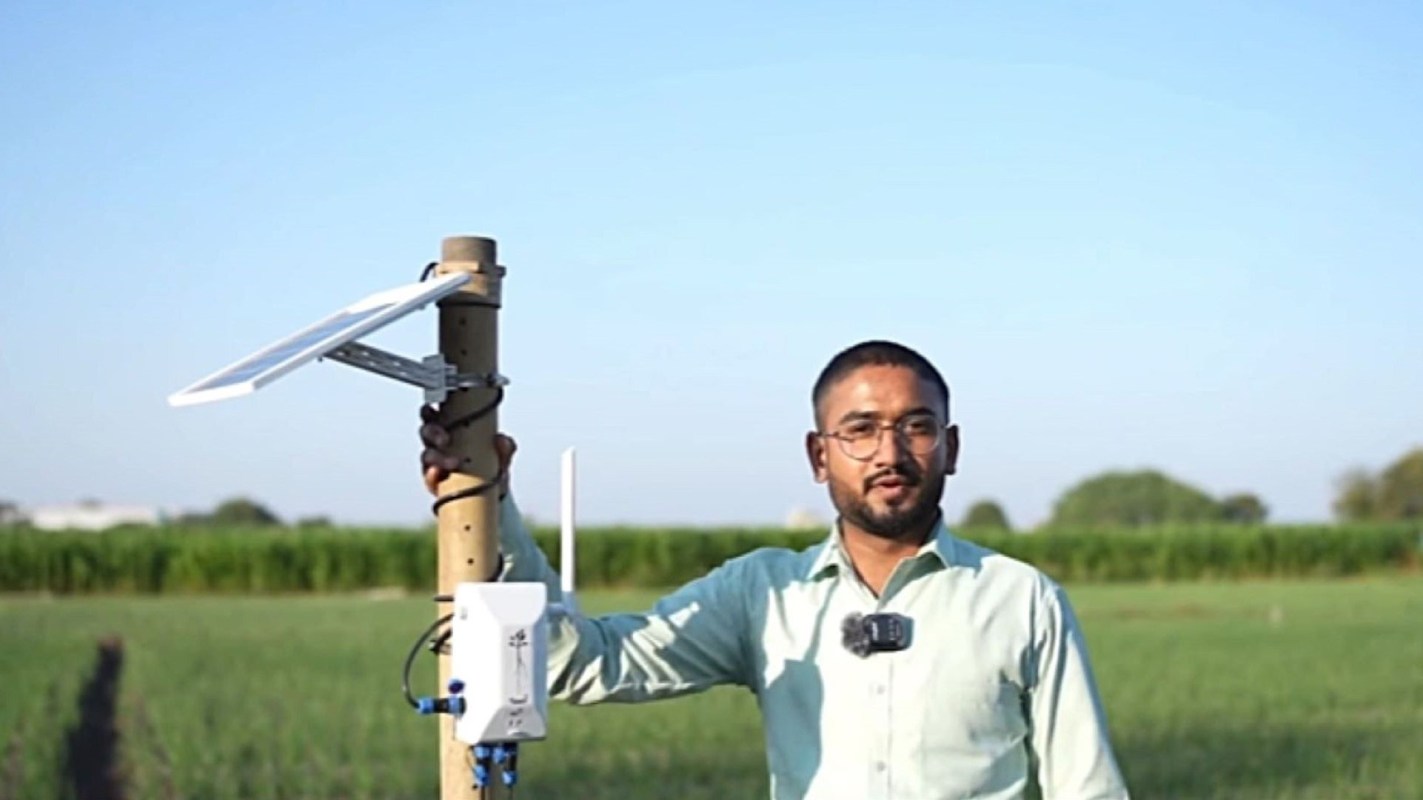
Agritech startups such as Fasal utilize artificial intelligence to help farmers work more efficiently. As founder Ananda Verma explained to Phys.org, "What we have built is a technology that allows crops to talk to their farmers."
Fasal's AI monitors sensors to provide farmers with constant updates on the status of their crops and the soil, allowing them to spend less on water, pesticides, and fertilizer while maintaining crop yields. There are now over 450 agritech startups in India, including Niqo Robotics, which uses AI cameras to spray chemicals more precisely.
One unintended negative consequence of the Green Revolution was an overreliance on chemical fertilizers, which cause widespread ecological damage. Using AI to reduce costs and minimize environmental damage would help right that past wrong. Additionally, AI is being used to monitor the health of beehives in India. Bees are critical pollinators worldwide. Technology is only one of several ways to keep those busy little creatures buzzing.
TCD Picks » Quince Spotlight
💡These best-sellers from Quince deliver affordable, sustainable luxury for all




The main impediment to more widespread adoption is the upfront cost. RS Deshpande, a visiting professor at Bengaluru's Institute for Social and Economic Change, explained to Phys.org that the technology is there; it's just a case of the government investing in it.
"If the government is ready, India is ready," he said.
|
What is the biggest reason you don't grow food at home? Click your choice to see results and speak your mind. |
 Not enough time ⏳
Join our free newsletter for weekly updates on the latest innovations improving our lives and shaping our future, and don't miss this cool list of easy ways to help yourself while helping the planet.






