


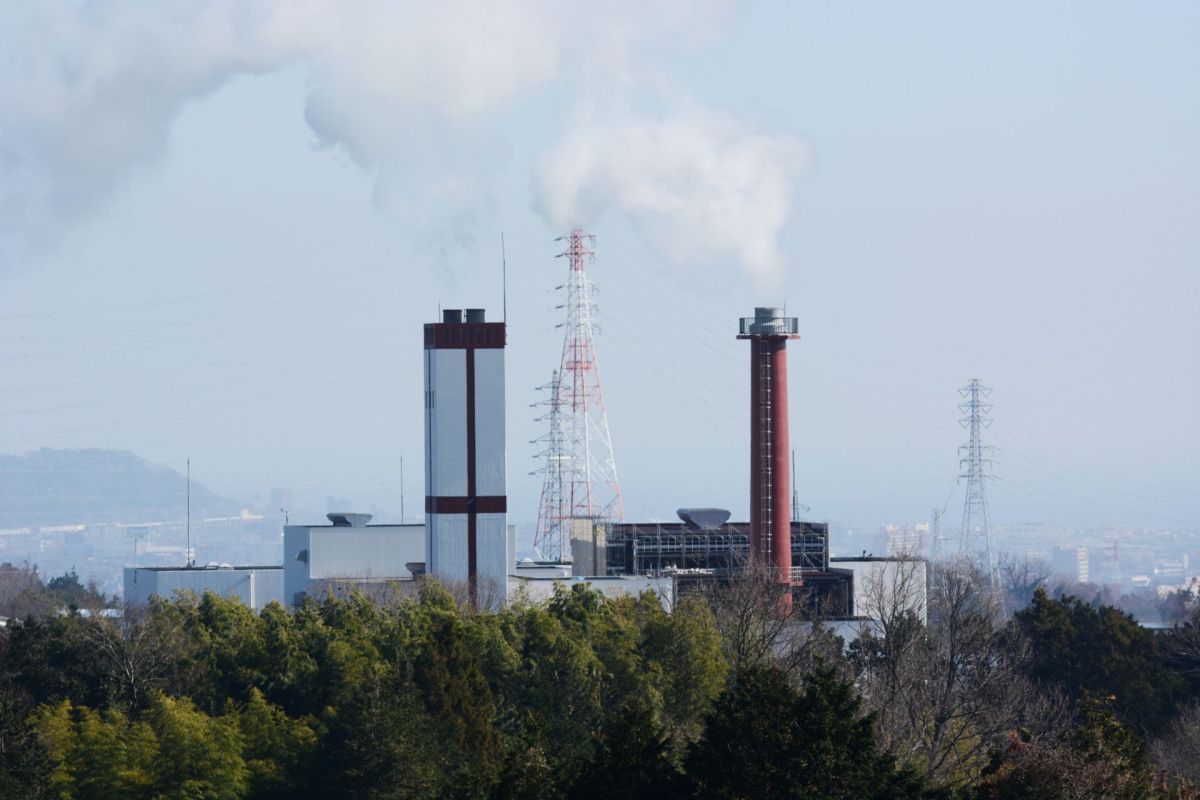
Trash incinerators are increasingly being marketed as a solution for PFAS-contaminated waste, but advocates and independent experts warn that many of those facilities may be putting the "forever chemicals" into the air instead of safely destroying them.
A new dispute in Minnesota is adding momentum to a broader national debate over whether incinerators protect nearby communities or put residents at risk.
What's happening?
A trade group representing Minnesota waste facilities recently released a report claiming the state's garbage incinerators reduce PFAS pollution by 99.6%, the Guardian reported.
The report arrives as incinerators in cities such as Miami, Philadelphia, and Baltimore face closure fights, and as a lawsuit challenges federal pollution standards that do not specifically address PFAS.
The Zero Burn Coalition said the study relies on weak assumptions, incomplete data, and misleading language. Independent experts who reviewed the report also questioned whether the data can support such a sweeping conclusion.
PFAS — per- and polyfluoroalkyl substances — are a large group of chemicals used in stain-, grease-, and water-resistant products. Because they do not naturally break down, they build up in landfills and waste streams over time.
TCD Picks » Quince Spotlight
💡These best-sellers from Quince deliver affordable, sustainable luxury for all




When that waste is burned, experts say the chemicals can be released into the air or transformed into smaller toxic byproducts.
According to the Guardian, critics said the Minnesota industry report examined only about 50 PFAS compounds, even though the class includes at least 16,000 chemicals.
Former DuPont PFAS scientist Denise Trabbic-Pointer called it a "pretty poor study" and said there was "too much missing data" to support the 99%-reduction claim.
Why does it matter?
Incinerators are often located in lower-income communities already burdened by industrial pollution.
Advocates say those neighborhoods may be exposed not only to PFAS, but also to a broader mix of harmful chemicals commonly released by trash-burning facilities.
"This trash becomes the problem of the poor and marginalized to deal with in their bodies," said Nazir Khan, executive director of the Minnesota Environmental Justice Table.
PFAS exposure has been linked to cancer, birth defects, reduced immunity, high cholesterol, and kidney disease.
While much of the public focus has centered on contaminated drinking water, researchers and regulators are increasingly trying to understand the risks tied to inhaling these chemicals as well.
Zero Burn also argued that Minnesota's current inhalation standards may be too weak, the Guardian reported. When Environmental Protection Agency drinking water limits are converted to air exposure, some pollution would exceed those benchmarks by as much as 17 times, though the industry group disputes that calculation.
What's being done?
So far, much of the pushback has come from advocates, former regulators, and environmental justice groups calling for stricter oversight and more complete testing.
They argue that incinerators should not be treated as a proven PFAS solution until operators can show the chemicals are fully destroyed, not merely partially broken down.
While the industry report notes that the incinerators burn at or above 1,562 degrees Fahrenheit, which is high enough to "initiate" or "promote degradation," Trabbic-Pointer says, per the Guardian: "You can't just 'promote degradation' of PFAS, you have to totally mineralize it and prove that you've done it."
Public pressure has already become part of the fight over incinerators in several major cities.
The disputed report will likely play a major role in future fights over whether these plants remain open.

Get TCD's free newsletters for easy tips, smart advice, and a chance to earn $5,000 toward home upgrades. To see more stories like this one, change your Google preferences here.






