


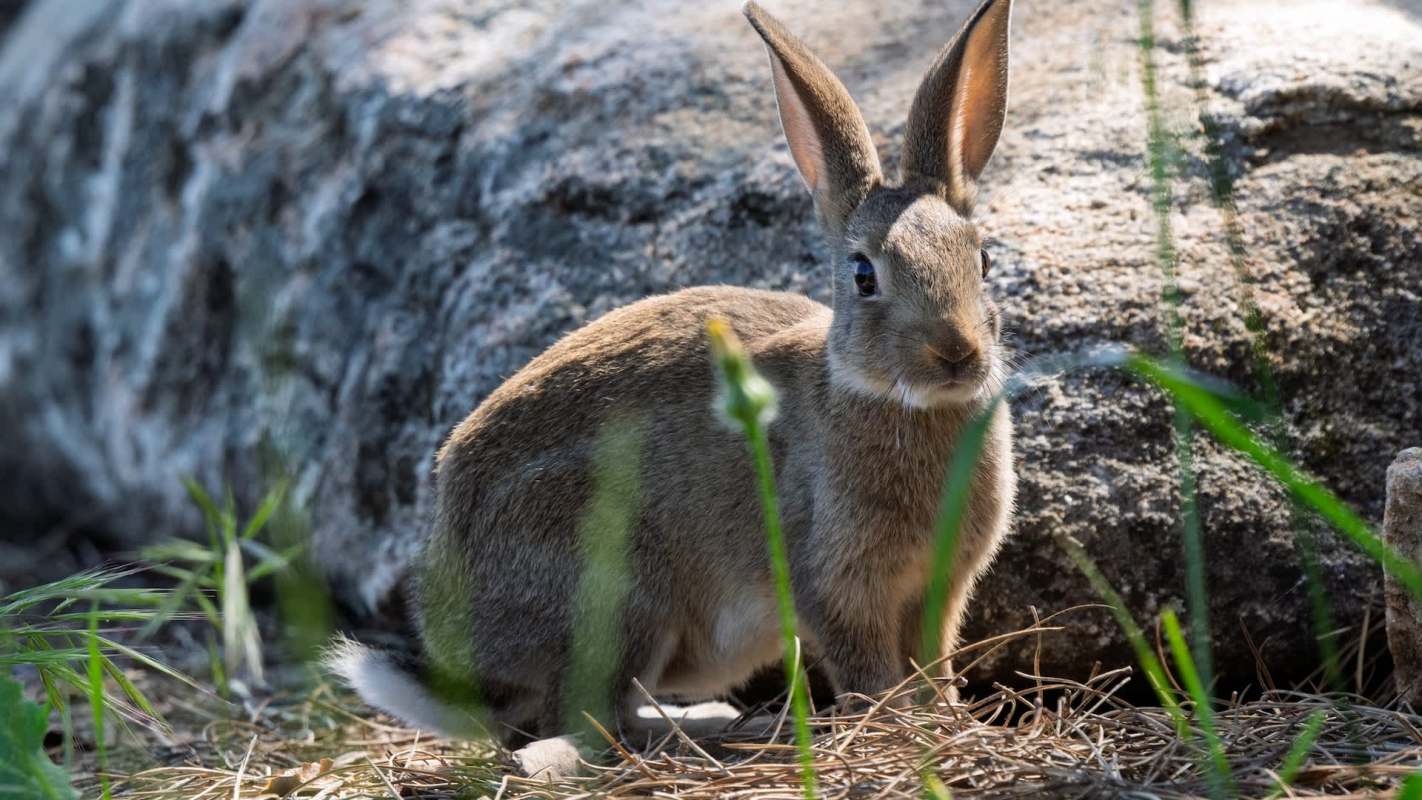
For more than a century, rabbits across the Iberian Peninsula were treated as a single species. However, new research suggests that assumption may have hidden a more urgent problem.
One of those rabbits appears to be in significant decline in Portugal and parts of Spain. That means a major conservation blind spot may have been shaping wildlife policy for years.
What's happening?
As Euronews reported, a study published in the journal Biological Conservation found that the rabbit long treated as a single Iberian species should instead be split into two. There is the Iberian rabbit, Oryctolagus algirus, and the European rabbit, Oryctolagus cuniculus.
The researchers said the two lineages separated around 2 million years ago after glacial conditions isolated them in refuges in the Ebro valley and the Gulf of Cádiz.
"The two species have always been there; what has changed is our knowledge of them," Rafael Villafuerte, a study coordinator, said, per Euronews.
Their long history of being lumped together is partly explained by how similar they appear, but the Iberian rabbit tends to be smaller, darker, earlier to reach sexual maturity, and to have smaller litters.
TCD Picks » Quince Spotlight
💡These best-sellers from Quince deliver affordable, sustainable luxury for all




Researchers also found distinctions in their genetics, gut microbiomes, and parasite communities, Euronews noted.
Their ranges differ too. The Iberian rabbit is native to Portugal and western Spain, while the European rabbit is most common in the east and gave rise to introduced populations in Europe, Oceania, and the Americas, where it can behave as an invasive species.
Why does it matter?
Euronews reported that the biggest concern is that the two rabbits are not faring equally well.
In some places, European rabbit populations are stable or increasing, sometimes enough to damage agriculture. However, the Iberian rabbit is declining sharply in Portugal and southwestern Spain.
Treating both animals as one species can blur the scale of the Iberian rabbit's losses by folding them into healthier populations elsewhere. That can delay targeted recovery plans, distort hunting regulations, and make it harder for local communities, farmers, and land managers to respond effectively.
In Mediterranean ecosystems, rabbits are central prey. Euronews said that as many as 40 predator species, including the Iberian lynx and the Spanish imperial eagle, rely on them as a food source.
If the wrong rabbit is protected, counted, or moved into the wrong habitat, recovery efforts for those species can slow as well.
What's being done?
Researchers said the next step is formal recognition that these are two separate species. That change would allow governments and conservation groups to build region-specific monitoring, recovery, and hunting measures for the rabbit present in each area.
The change could be especially important for game restocking. Euronews reported that restocking commonly involves releasing the more abundant European rabbit into places that were once occupied only by Iberian rabbits.
Researchers have warned that, through competition and hybridization, that practice can speed the Iberian rabbit's replacement.
"We cannot go on managing as a single species two rabbits that have evolved separately for almost two million years," cautioned study coordinator Miguel Delibes-Mateos, according to Euronews.

Get TCD's free newsletters for easy tips, smart advice, and a chance to earn $5,000 toward home upgrades. To see more stories like this one, change your Google preferences here.






