


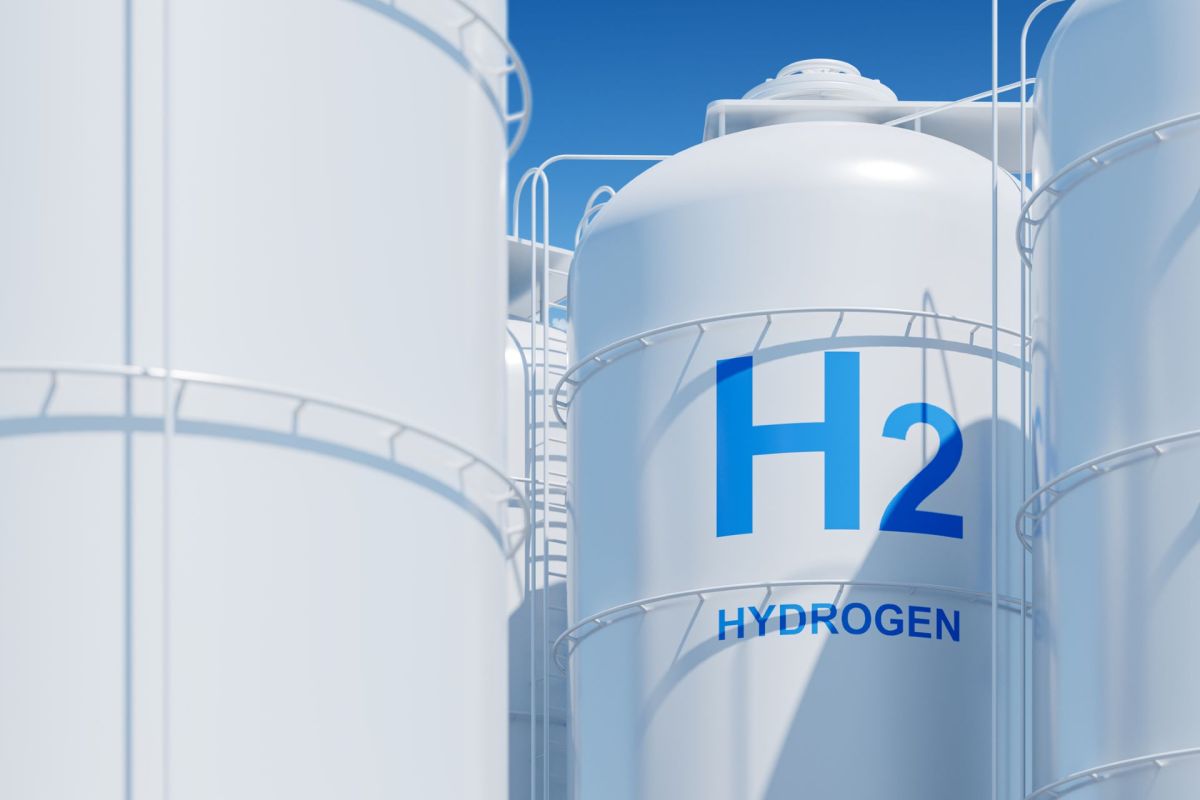
Hydrogen is a complicated clean energy source. On the one hand, when burned, it only releases water vapor. On the other hand, it's energy-intensive to produce, kind of defeating the point. And green hydrogen — producing it using only clean energy sources — can be very expensive upfront.
But there's hope for hydrogen to become a viable clean and affordable energy option in the future.
1. Energy needs met for 170,000 years?
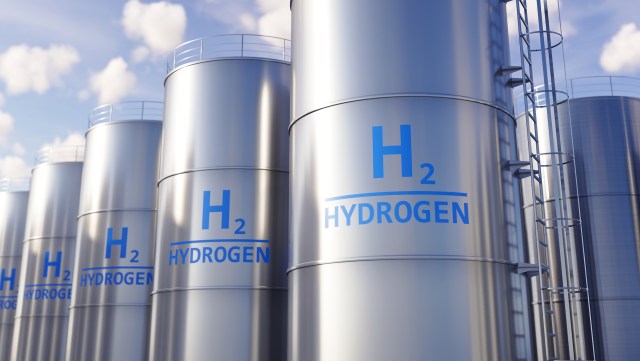
According to scientists, there may be enough naturally occurring hydrogen in the Canadian Shield — a massive rock formation spanning roughly half the country — to cover the world's energy needs for around 170,000 years.
On top of that, according to the U.S. Department of Energy, that hydrogen could potentially be produced for less than $1 per kilogram.
Startup Vema Hydrogen has begun test drilling in Quebec, but it remains to be seen where the strongest deposits are and how to efficiently recover the hydrogen.
TCD Picks » Quince Spotlight
💡These best-sellers from Quince deliver affordable, sustainable luxury for all




2. Competition among airlines

The airline industry creates a massive amount of planet-warming gases every day, but that may not be the case for too much longer as multiple companies are competing to become the first to fly commercially using clean-burning hydrogen fuel.
Universal Hydrogen, ZeroAvia, Rolls-Royce, and Airbus are all testing out jets, with some successful flights having already been made. Competition drives innovation, so fingers crossed we see one or all of these companies make hydrogen-powered commercial flights available soon.
3. A floating lab

Like the airline industry, the shipping industry is one of the worst offenders when it comes to the creation of carbon emissions. But German researchers are looking to change that by building MODULARIS, a nearly 160-foot floating lab that will test multiple operations in real-world conditions.
One area of focus will be to test how large vessels perform at sea using clean fuel sources — like hydrogen — to figure out if it's practical, affordable, and safe.
4. A hydrogen-storing battery
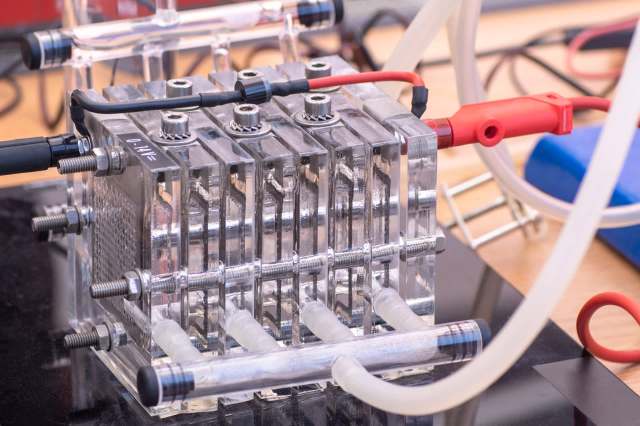
Storing hydrogen is one of the major hurdles to scaling up to widespread commercial use. It generally requires high-pressure tanks or cryogenic systems, which are expensive and can slow down hydrogen adoption.
But Chinese scientists have developed a prototype gas-solid hydride ion battery that can store hydrogen and energy at room temperature and normal pressure. The battery is also significantly more energy efficient than traditional thermal hydrogen storage methods.

Get TCD's free newsletters for easy tips, smart advice, and a chance to earn $5,000 toward home upgrades. To see more stories like this one, change your Google preferences here.






