


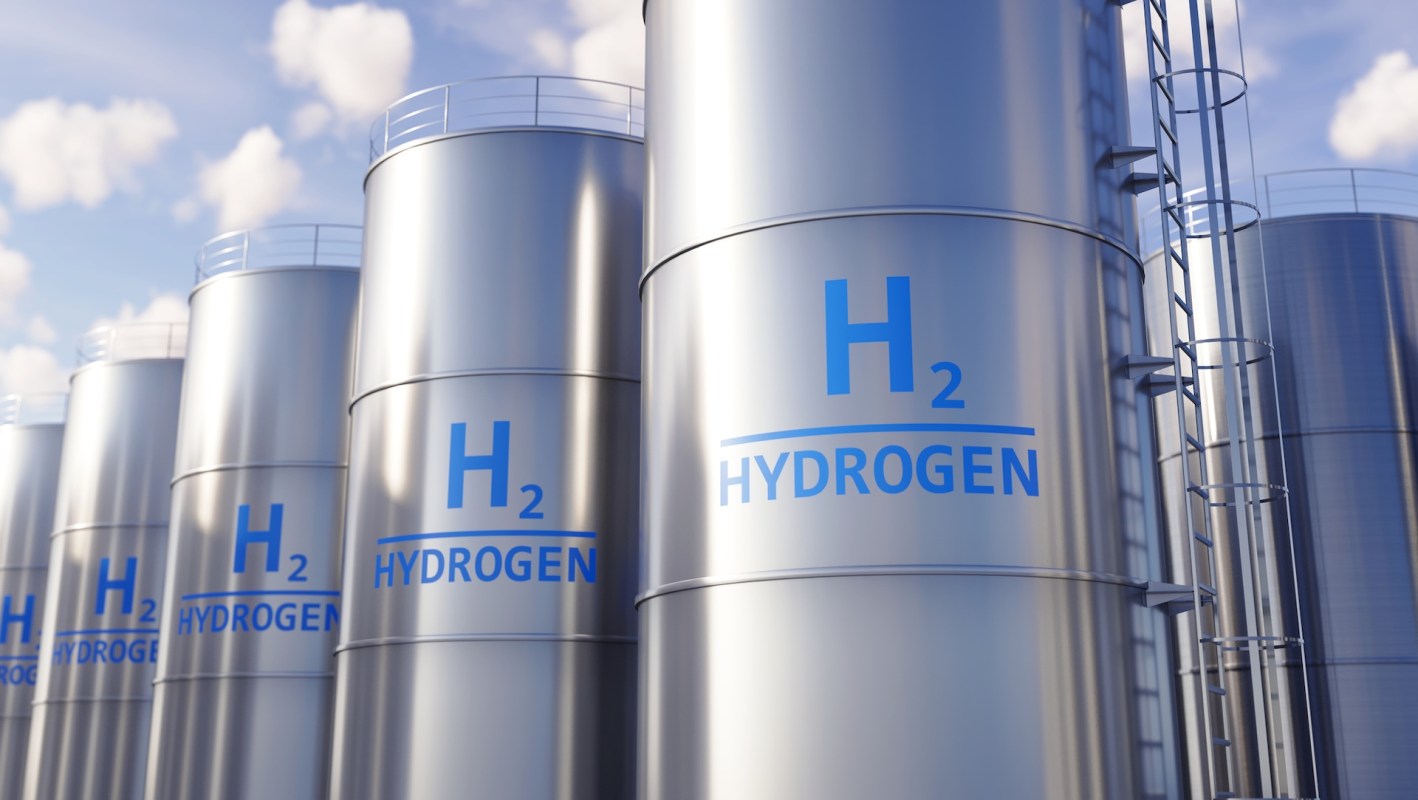
Scientists are drawing fresh attention to a potentially transformative idea: Earth may already contain enough naturally occurring hydrogen to supply the world's energy needs for roughly 170,000 years.
If it can be produced for under $1 a kilogram, as some estimates suggest, that resource could provide a much cheaper route to cleaner energy.
What happened?
In a paper published in Nature Reviews Earth and Environment, Canadian researchers described extensive geologic hydrogen deposits in the Canadian Shield, a vast rock formation spanning much of Canada.
The U.S. Department of Energy estimates that producing this hydrogen could cost less than $1 per kilogram, far below the price of today's green hydrogen, according to Foreign Policy Journal.
Taken together, the results indicate that underground hydrogen may be a commercially workable resource.
Startup Vema Hydrogen has already started test drilling in Quebec, suggesting that some companies see geologic hydrogen as a realistic energy source that could be expanded at scale.
TCD Picks » Quince Spotlight
💡These best-sellers from Quince deliver affordable, sustainable luxury for all




Why does it matter?
Hydrogen is often promoted as an important tool for cutting pollution, but producing it today can be expensive and energy-intensive.
If naturally occurring underground hydrogen can be extracted cheaply, it could reduce dependence on more expensive, pollution-intensive fuel-making methods.
Cheaper clean energy could eventually help stabilize energy costs, reduce exposure to price swings on gas, oil, and coal, and support cleaner air and a safer climate.
A resource that is both abundant and relatively inexpensive could also make the energy transition easier to scale.
Big challenges remain. The industry still needs to figure out where the strongest deposits are, how to recover the hydrogen efficiently, and how to do that reliably enough to support a new supply chain built around the resource.
Building that out would take substantial investment and time, but researchers and industry observers say the possible payoff is large enough to justify the effort.
What are people saying?
The researchers who published the Canadian study say hydrogen within the Canadian Shield may be economically viable to develop, a possibility that could alter how the energy industry thinks about underground hydrogen.
That optimism has been strengthened by the U.S. Department of Energy's estimate that production costs could come in below $1 per kilogram.
Companies such as Vema Hydrogen are already acting on that confidence, even as experts warn that the science and extraction techniques need much more development before geologic hydrogen can be used widely.

Get TCD's free newsletters for easy tips, smart advice, and a chance to earn $5,000 toward home upgrades. To see more stories like this one, change your Google preferences here.






