


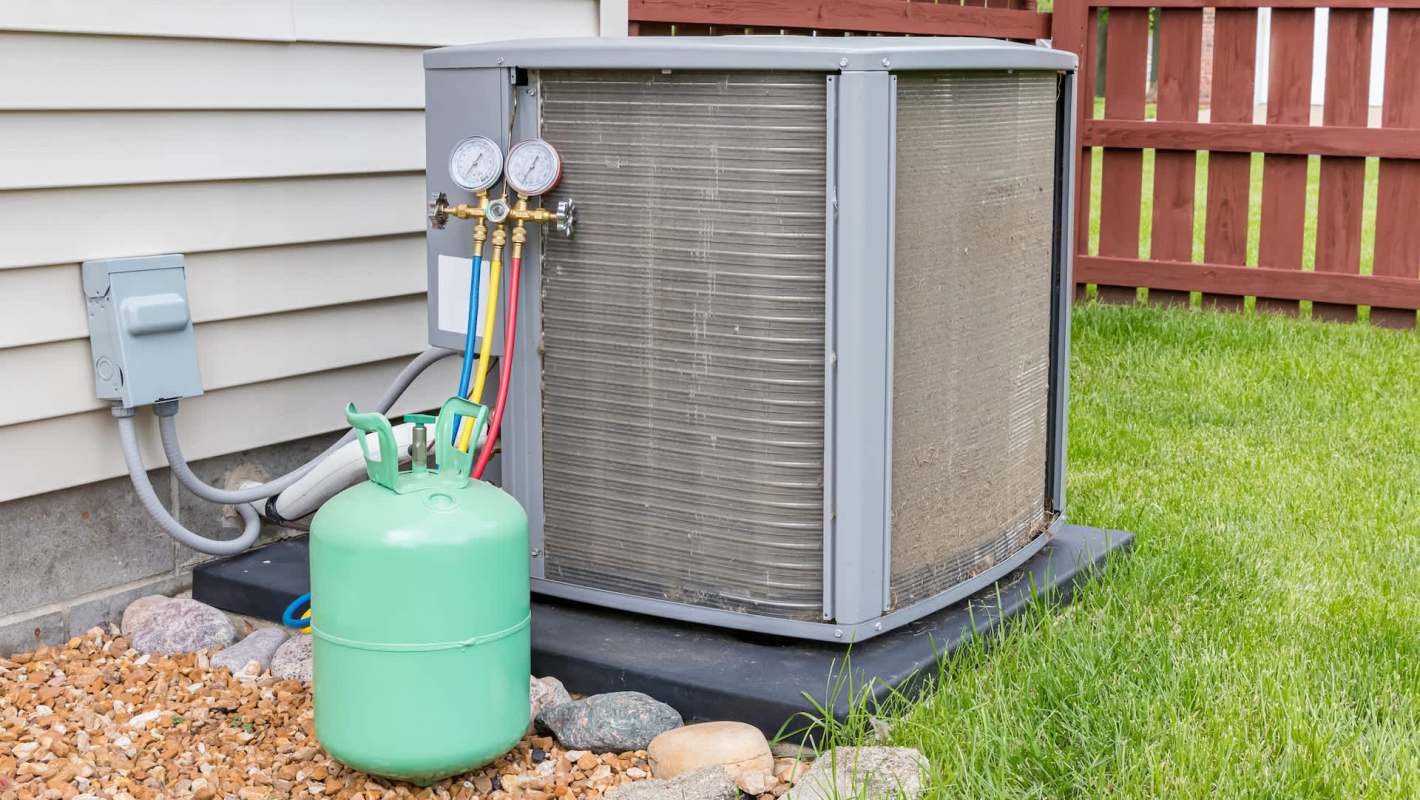
Air conditioning is becoming less optional as heat grows more dangerous, but one HVAC apprentice says the climate cost of cooling is often misunderstood.
In their view, the biggest issue is not simply that people use AC. It's that the systems depend on powerful refrigerants and that too many technicians allow those gases to escape.
What's happening?
In a Reddit post on r/Anticonsumption, the apprentice weighed in on the debate over whether running air conditioning contributes to Earth's warming.
"There is no possible argument to make on the stance of 'AC has no impact on climate change,'" they wrote. "This is fundamentally incorrect."
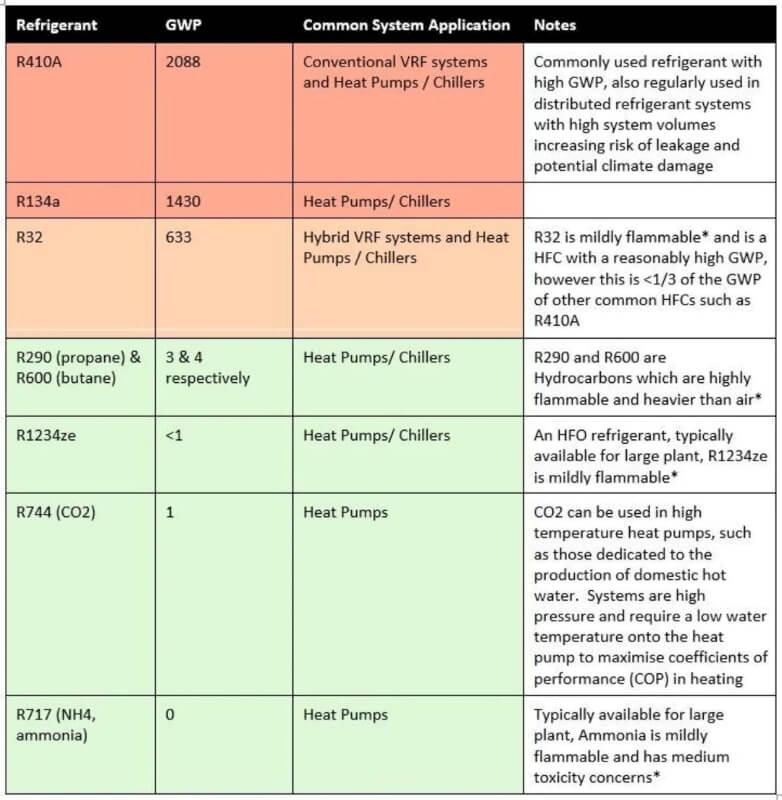
To explain why, they focused on the chemicals inside standard AC equipment. Conventional systems use refrigerants, and those substances vary in their climate impacts, which are described by global warming potential, comparing a refrigerant's warming effect with that of carbon dioxide.
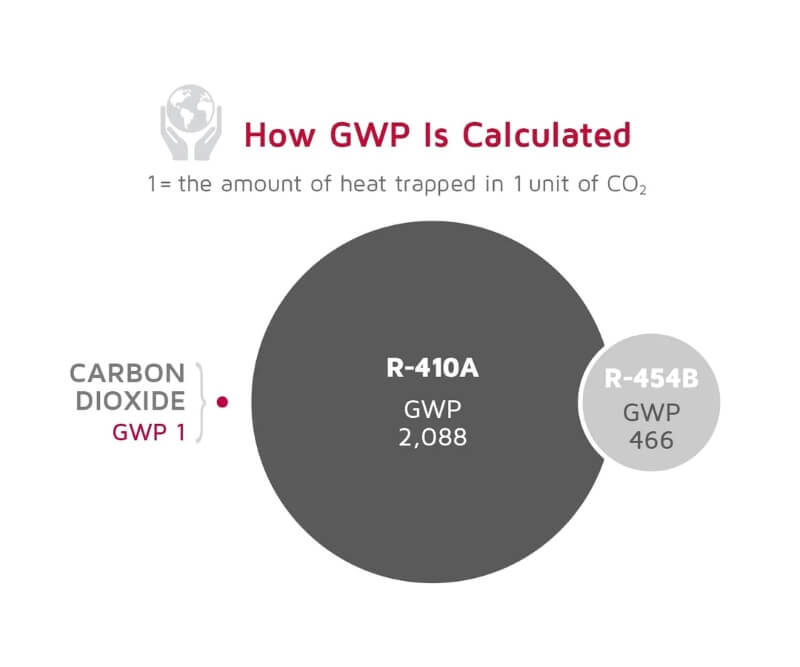
In the residential and commercial systems they work on, the apprentice said R-410A is the main refrigerant, accounting for 95% of what they see. They also noted that R-22, an older option that has been outlawed, was even more damaging.
TCD Picks » Quince Spotlight
💡These best-sellers from Quince deliver affordable, sustainable luxury for all




The original poster also described weak enforcement around refrigerant handling. While new technicians are encouraged to get EPA 608 certification before working with these chemicals, they said, "Every supply house I've ever been to when purchasing refrigerant has never asked for my EPA certification, not once."
Why does it matter?
Refrigerant leaks can turn a cooling system into a pollution problem.
Because so many units use R-410A, the apprentice said that refrigerant is likely to remain in service for many years to come.
"The world of HVAC as I've come to know it is full of lazy technicians who will vent refrigerant into the atmosphere day after day, time after time," they wrote. "It is part of the culture."
Commenters pointed out that cooling is increasingly essential. "ACs are needed, not just for comfort but to stay healthy," one wrote.
Communities need protection from extreme heat, but they also need cooling systems that are installed, maintained, and regulated responsibly.
What can I do?
The OP said new refrigerants with lower GWPs are being developed, while R-410A is already on its way out.
The solution is not to abandon cooling but to move more quickly toward safer refrigerants, better enforcement, and better equipment.
Questions to ask when an AC unit is serviced or replaced include whether the technician is EPA 608 certified, whether the refrigerant will be recovered rather than vented, and whether the system has been checked for leaks.
Regular maintenance can also reduce pollution and prevent costly breakdowns.
Better insulation, tree shade on a dwelling, sealing air leaks, and using a slightly higher thermostat setting can reduce energy use without putting health at risk.
"The industry's venting culture is the real hidden crisis," one commenter wrote.
The apprentice echoed the broader concern: "Sadly, the truth is that the more essential [AC units] become in more parts of the world, the more they will add to our everlasting battle with climate change."

Get TCD's free newsletters for easy tips, smart advice, and a chance to earn $5,000 toward home upgrades. To see more stories like this one, change your Google preferences here.






