Hurricanes and tropical cyclones are getting stronger and more dangerous as global temperatures rise.
This is one of the most important trends to watch around extreme storms. However, not everyone is on the same page about this.
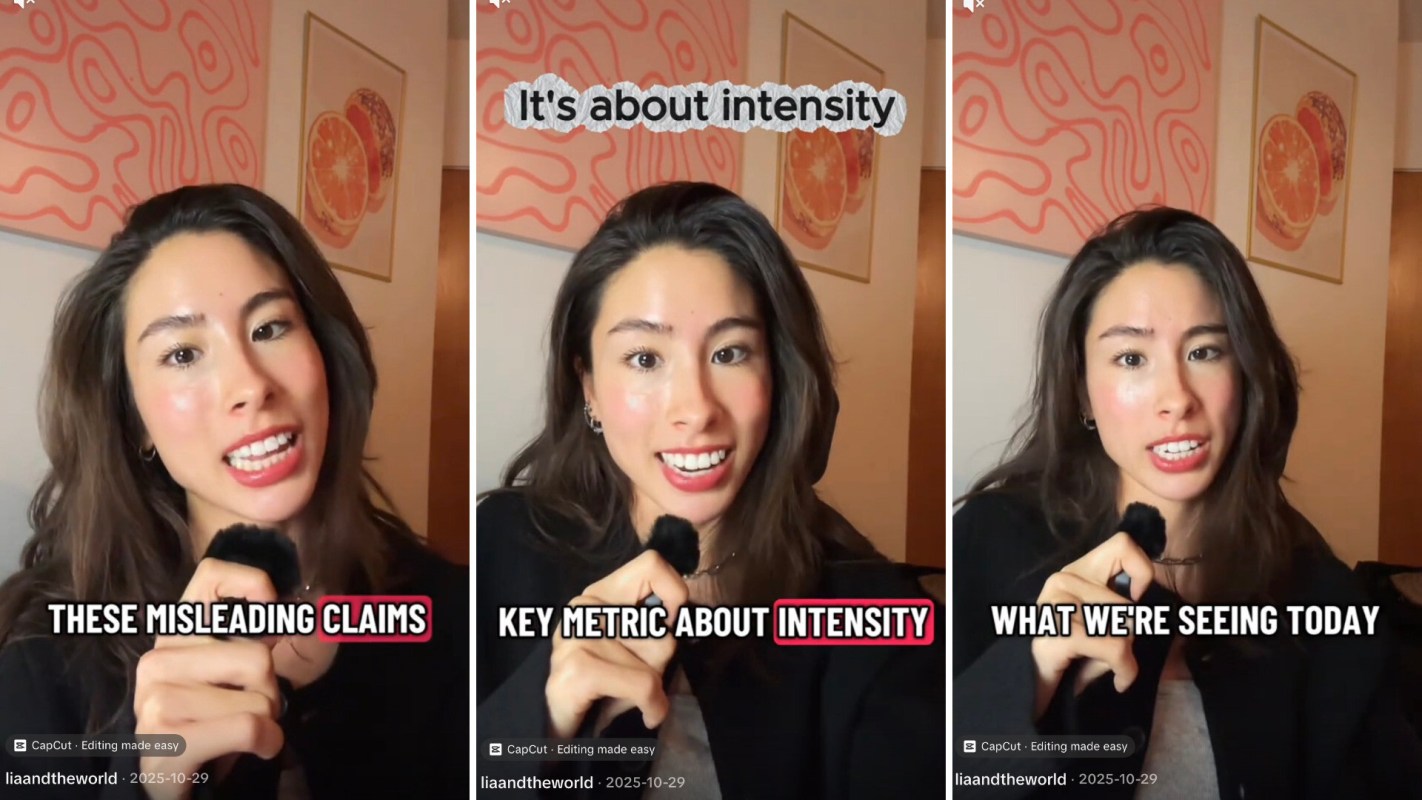
As former United States climate negotiator Lia Nicholson (@liaandtheworld) showed in a TikTok video, The Free Press has been spreading some deceptive claims about extreme storms.
@liaandtheworld @The Free Press and @Lucy claim that "hurricane rates and frequency despite what climate models are predicting...have stayed the same". This one's sneaky. Scientists never said "more storms" only they said stronger, slower, wetter storms which lead to more damage and deaths. And that's exactly what's happening. It's about INTENSITY not FREQUENCY when it comes to hurricanes. #takedown #thefreepress #climate #climateaction ♬ original sound - liaandtheworld
"Watch me take down every single one of these misleading claims," Nicholson says after playing a clip from The Free Press.
The person in the clip only states that bad storms have not been happening more frequently, and that this is contrary to what scientists have predicted.
Yet this statement is a "sneaky" half-truth, Nicholson explains.
Perk up the winter blues with natural, hemp-derived gummies Camino's hemp-derived gummies naturally support balance and recovery without disrupting your routine, so you can enjoy reliable, consistent dosing without guesswork or habit-forming ingredients. Flavors like sparkling pear for social events and tropical-burst for recovery deliver a sophisticated, elevated taste experience — and orchard peach for balance offers everyday support for managing stress while staying clear-headed and elevated.
Learn more → |

"[Frequency's] not the key metric," she urges. "It's about intensity."
It's true that storms like hurricanes are not happening more often, according to weather tracking agencies.
However, scientists' predictions focus less on frequency and more on these storms becoming stronger, wetter, and slower.
"And that's exactly what's happening," Nicholson affirms.
TCD Picks » Upway Spotlight
💡Upway makes it easy to find discounts of up to 60% on premium e-bike brands





|
Do you think America has a plastic waste problem? Click your choice to see results and speak your mind. |
 Definitely 👍
 Those trends make today's extreme storms a risk to people's safety and livelihoods. It's raining more, flooding is worse, and the skies are taking longer to clear up, all of which means more property damage and greater danger to communities.
There is plenty of misinformation out there about what's happening to our planet. That means it's as important as ever to stay vigilant about what you read and watch.
Practice taking the time to go straight to sources yourself and think critically about which data points matter the most in the full context.
Nicholson advises people to do much the same.
"I would recommend looking at the IPCC reports!" she replied about the Intergovernmental Panel on Climate Change to a commenter who was doubting the science behind storm tracking. "They compile thousands of climate science research and data over decades."
"You're my favorite account," another person commented. "Thank you for this."

Get TCD's free newsletters for easy tips to save more, waste less, and make smarter choices — and earn up to $5,000 toward clean upgrades in TCD's exclusive Rewards Club.
Cool Picks