


Researchers have repurposed a 100-year-old process for making synthetic oil for a better cause, according to Interesting Engineering.
The Bergius process applies water, heat, and pressure to biomass in order to convert it into hydrocarbons. This achieves results much faster than natural processes.
However, researchers have been able to use the same technique to quickly make humus, the organic component of soil, typically made of decomposed plant material and microorganisms.
Humus contains polymers, which are a great home for bacteria and is why gardeners have used it to amend clay soil and remediate flood zones.
Humus is also a powerful binding agent for atmospheric carbon. It's estimated that 1 tonne of humus can sequester up to 50 tonnes of carbon in soil.
Better still, the new process for creating it leverages waste organic matter as a primary ingredient, preventing its decomposition topside and creating methane pollution with it. As one can imagine, good humus means good agricultural yields, too.
"In a few years, agriculture will have to feed 10 billion people — and that with increasingly poor soil quality," said Markus Antonietti, director at the Max Planck Institute of Colloids and Interfaces. "A quick and sustainable soil improvement comes at just the right moment. This is because Humify humus increases crop yields in Chinese field trials by up to 20%. And we still have to overcome the climate crisis."
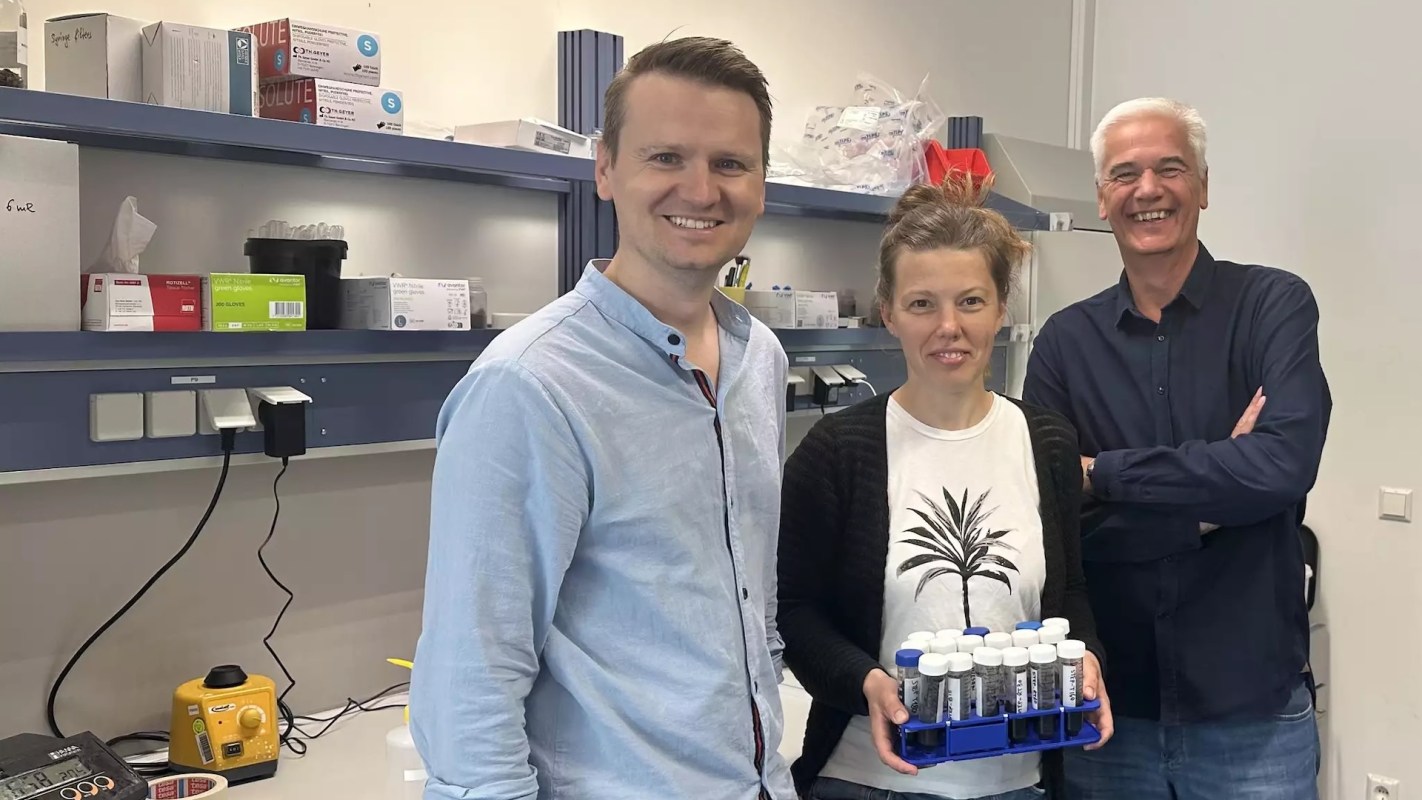
After successfully developing this new humus production technology in academia, Antonietti founded Humify to bring it to the world.
Humify's biggest challenge right now is scale, but it won't be for long. It's planning a pilot plant that can crank out 3,000 tonnes of humus annually.
"We are now working on a clever solution to minimize energy consumption when heating up and cooling down the biomass," said Humify Chief Technology Officer Svitlana Filonenko, per Max Planck Society.
TCD Picks » Quince Spotlight
💡These best-sellers from Quince deliver affordable, sustainable luxury for all




"If we can produce artificial humic substances with suitable heat management, we will be competitive," chimed in Chief Financial Officer Harald Pinger.
|
What is the biggest reason you don't grow food at home? Click your choice to see results and speak your mind. |
 Not enough time ⏳
Join our free newsletter for weekly updates on the latest innovations improving our lives and shaping our future, and don't miss this cool list of easy ways to help yourself while helping the planet.
Cool Picks





