


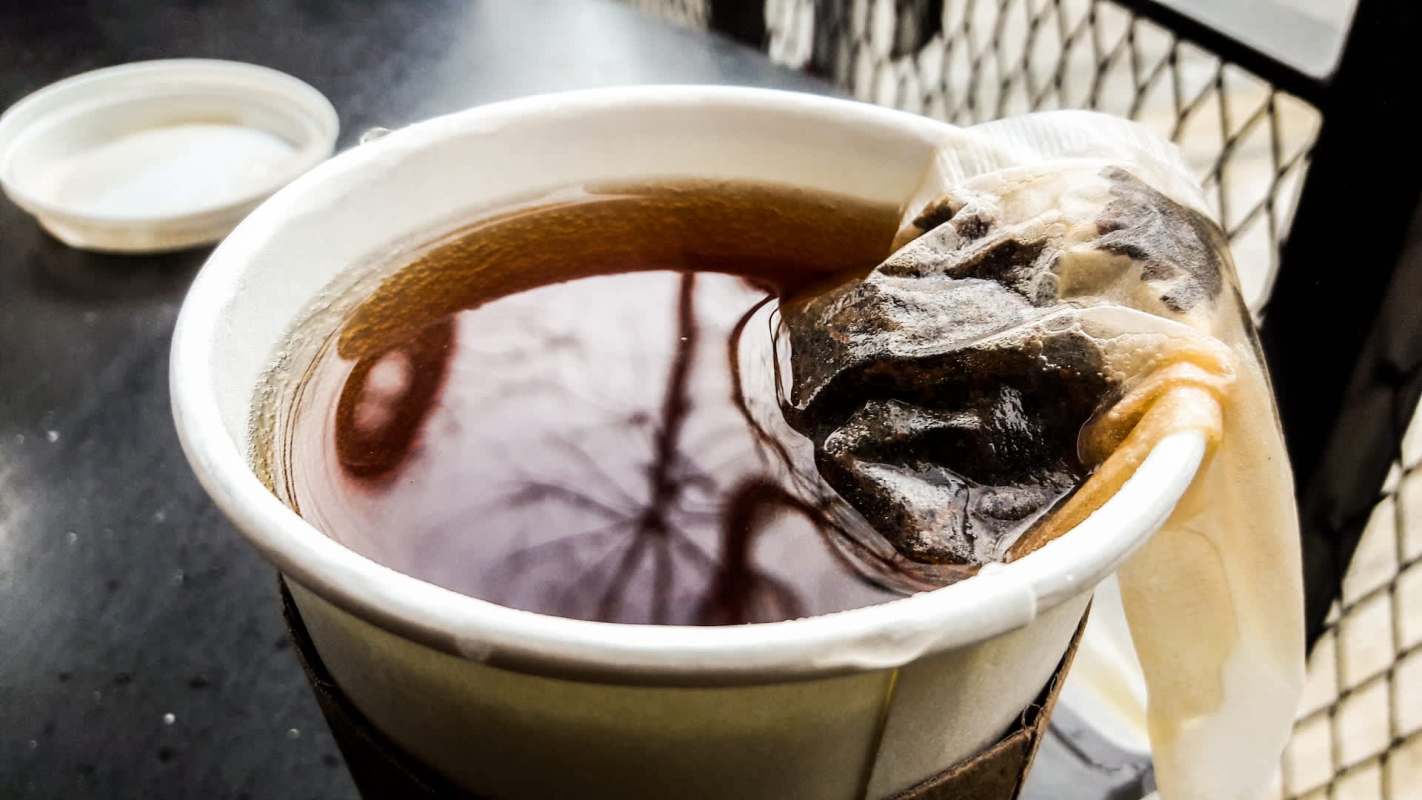
Your first cup of the day may come with more than caffeine. A U.K. study that tested dozens of beverages found the highest microplastic levels in hot drinks. Tea stood out most.
What happened?
University of Birmingham researchers picked up 155 drink samples at grocery stores and cafes across the U.K., spanning 31 kinds of drinks: tea and coffee, hot and iced, plus fruit juice, soda, and energy drinks. Microplastics turned up in all 155, according to Men's Journal.
Hot tea topped the list at 49 to 81 microplastics per liter (a liter runs a hair over a quart). Hot coffee followed at 29 to 57. The iced versions ran lower: 24 to 38 for iced tea, and 31 to 43 for iced coffee.
Tea from a paper cup held more particles than the same tea in a glass, and disposable cups stood out as a leading contributor in hot coffee too. Certain premium tea bags shed the most of all.
Heat may explain the gap. Chilled versions of both drinks showed far fewer particles, and the heat of brewing may be what pulls plastic loose from a tea bag or a paper cup.
Why does it matter?
Microplastics research has centered on drinking water, even though tea and coffee are part of millions of people's mornings. If hot drinks add meaningfully to the daily total, the intake figures scientists have calculated so far may be too low, the study's authors concluded.
TCD Picks » Quince Spotlight
💡These best-sellers from Quince deliver affordable, sustainable luxury for all




What the particles do to your health isn't settled. Researchers haven't pinned down what years of microplastic exposure do to the body, and the findings don't call for swearing off your morning cup, according to Men's Journal.
Grab a coffee in a disposable cup or brew tea from a plastic-containing bag, and you may be adding to your exposure without knowing it.
What can I do?
Skip the disposable cup when you have the choice, according to Men's Journal. Tea brewed in glass held fewer particles than the same tea in a paper cup, so a ceramic mug or a glass at home costs you nothing and cuts one likely source.
A reusable travel mug does the same for takeout coffee.
For tea drinkers, the bag matters too. Loose-leaf tea, or a bag made without plastic, keeps one likely source out of your cup. Check the packaging: many bags that look like paper carry plastic in the mesh or the seams, according to a review of 19 studies in the journal Food Chemistry.
"We found a ubiquitous presence of microplastics in all the cold and hot drinks we looked at," lead author Mohamed Abdallah told the Independent. "People don't only drink water during their day. You drink tea, coffee, juices."

Get TCD's free newsletters for easy tips, smart advice, and a chance to earn $5,000 toward home upgrades. To see more stories like this one, change your Google preferences here.






