


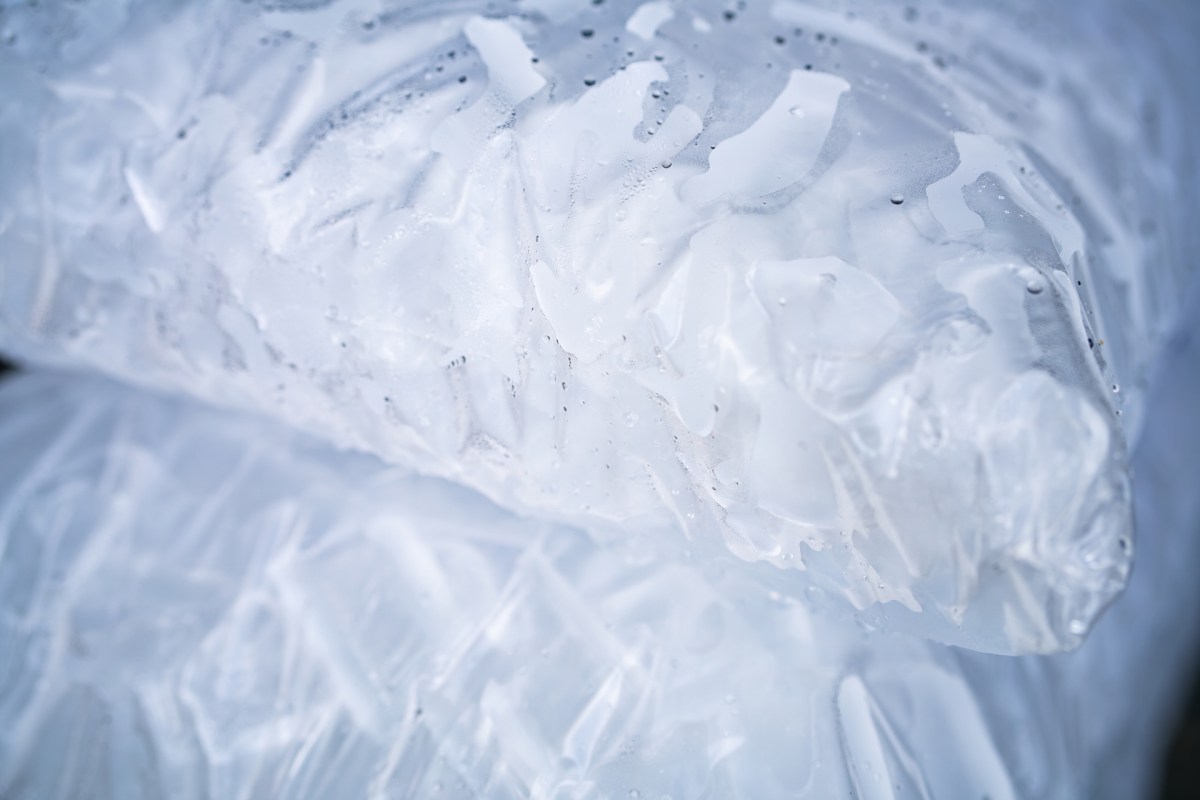
Hospital staff in Paris were forced to collect ice from a fast-food restaurant and a nearby supermarket as the city grappled with a severe heat wave that has been linked to hundreds of deaths.
Hospital leaders now warn that such improvised measures could become more common during future summers as healthcare systems prepare for increasingly frequent and intense temperature spikes.
What happened?
According to a report from The Canadian Press, at Paris-Saclay Hospital, treating severe heat exposure meant using ice baths to rapidly lower patients' body temperatures. Because the hospital had no ice-making machine, emergency workers were forced to improvise.
A fast-food restaurant supplied some of the ice, and hospital staff bought more at a supermarket.
The Canadian Press reported the hospital has since ordered an ice machine, as France's weather service warns that another heat blast could arrive as soon as next week.
"We thought we were ready. We were not actually," Cédric Lussiez, director of the public hospital group, told the outlet.
TCD Picks » Quince Spotlight
💡These best-sellers from Quince deliver affordable, sustainable luxury for all




"The hospital was working on a 24-hours-a-day basis because we had to find new solutions in a very short delay," he added. "We already learned some lessons."
According to The Canadian Press, patients began arriving on June 20 with dehydration, heart attacks, kidney trouble, and other heat-related illnesses affecting both children and older adults, said Dr. Nicolas Gonzales, chief of the Paris-Saclay Hospital emergency department.
"It was like a big mountain," he told the outlet. "It was like that for seven days. So it was very intense."
Why does it matter?
According to Gonzales, the first patient he treated during the heat wave was a 50-year-old man who was found unconscious at home with a body temperature of about 104 degrees Fahrenheit. The Canadian Press reported that the patient's family said he appeared fine one moment but was unconscious the next.
Extreme weather disasters are threatening lives and livelihoods by straining hospitals, disrupting workplaces, raising energy costs, and hitting the most vulnerable people the hardest.
During heat waves, communities can face medical emergencies, worsening chronic illness, and urgent spending on cooling, infrastructure, and emergency response.
As the World Health Organization put it, as reported by The Canadian Press, the recent heat wave was "a dress rehearsal" for future summers, warning that "Europe is warming at more than twice the global average. Heat waves are no longer one-off freak events."
French Prime Minister Sébastien Lecornu responded by announcing 100 million euros in hospital cooling upgrades and saying 30,000 air-conditioning units are being bought for health facilities.

Get TCD's free newsletters for easy tips, smart advice, and a chance to earn $5,000 toward home upgrades. To see more stories like this one, change your Google preferences here.







