


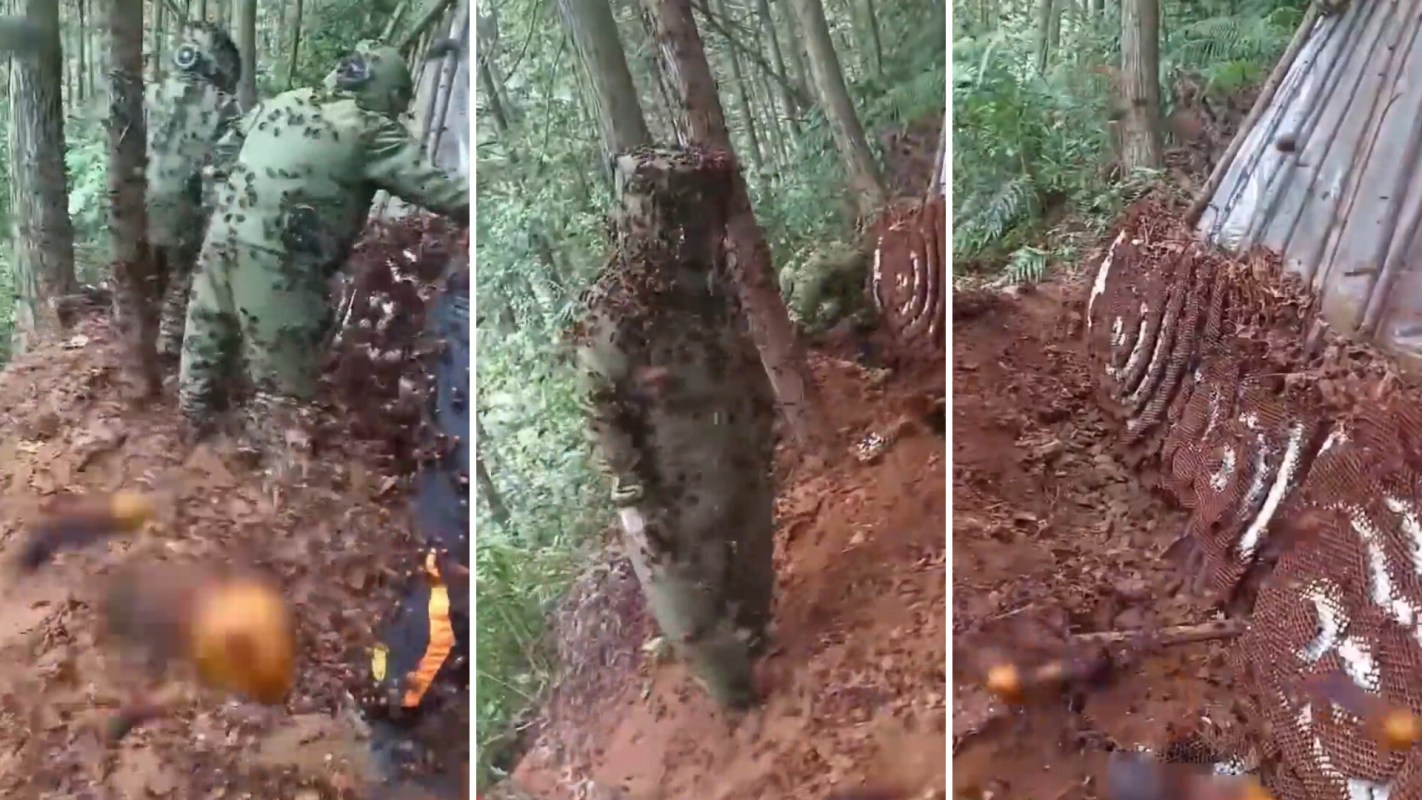
A jaw-dropping video on Reddit showing workers handling an enormous hornet nest left viewers stunned — at least at first.
As the clip spread, commenters suggested the scene was likely something very different from a random pest-control emergency: a hornet farm in Vietnam built and maintained by people.
What happened?
The post on Reddit with the caption, "Pest controllers encounter a gigantic Asian hornets' nest," showed a massive hornets nest being interacted with by people.
(Click here if the embedded video does not appear.)
However, many of the comments explained that the people in the video are not pest controllers, but rather, they are hornet farmers.
"This is a hornet larvae farm. These are not pest control specialists rather hornet specialists," one person wrote, explaining that "hornet larvae are considered a delicacy" in some regions. Another added, "This is not pest control, this is intentional farming. Specifically, the end process of harvesting. The developing brood and the hornets themselves are a very expensive local delicacy used both for food and traditional medicine."
TCD Picks » Quince Spotlight
💡These best-sellers from Quince deliver affordable, sustainable luxury for all




From there, the conversation widened into species background. Commenters said the Asian giant hornet, Vespa mandarinia, can reach over 2 inches long and is a concern as an invasive species in the United States and Canada.
Why does it matter?
If these commenters are correct, which it appears they are, this was not simply nature spilling into human space — it was people intentionally cultivating hornets in a built environment.
There is also a public-safety and ecological dimension to the conversation. Large hornets can deliver painful stings, and invasive species concerns are taken seriously because nonnative predators can disrupt local ecosystems, agriculture, and pollinator populations.
Posts that blur the line between a wild infestation and farming can create confusion about what people are actually seeing.
What's being done?
Large wasp or hornet nests should not be approached or disturbed, whether they appear wild or managed. Unusually large hornets or suspected invasive species are better reported to local agriculture departments, extension offices, or wildlife agencies than left to social media speculation.
So the viral footage, which earned 61,000 upvotes, may not have shown an accidental encounter with a giant wild nest at all, but rather a massive hornet farm, marked by "the structure of the hives that they 'seed' themselves" and the "tarps and wood planks they use to protect them."

Get TCD's free newsletters for easy tips, smart advice, and a chance to earn $5,000 toward home upgrades. To see more stories like this one, change your Google preferences here.






