


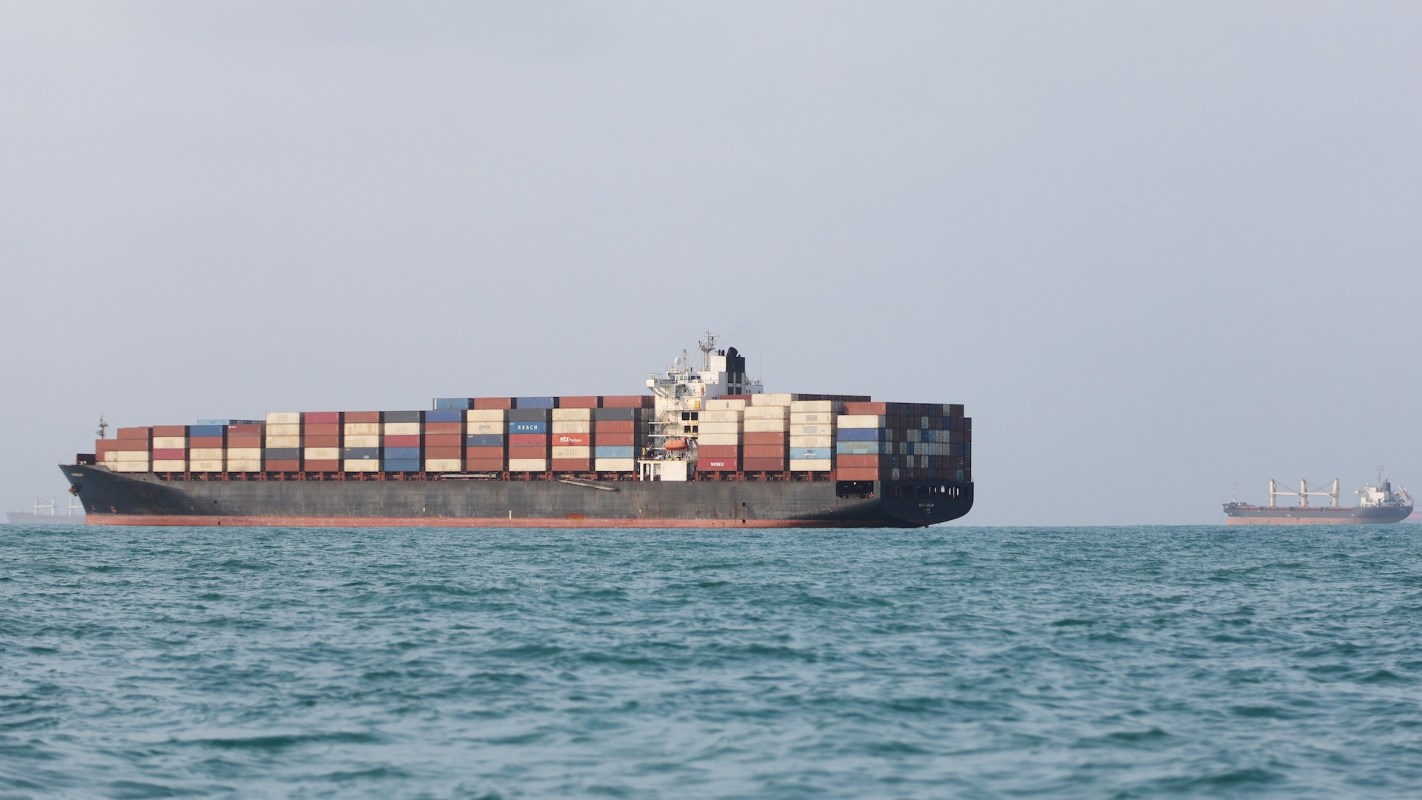
Disruptions in the Strait of Hormuz could nudge global fossil fuel pollution slightly lower this year despite broader energy turmoil, according to an analysis from Carbon Brief.
The reason is that, even with an anticipated increase in coal use, projected pullbacks in oil and gas consumption appear large enough to outweigh coal's added pollution.
Here's what to know
Worldwide carbon dioxide pollution from fossil fuels is estimated to be roughly 0.5% lower in 2026 than in 2025.
The projection is based on updated International Energy Agency outlooks for coal, oil, and gas, revised as energy markets absorb the effects of the U.S.-Iran war and shipping disruptions tied to Hormuz.
In its update this month, the IEA said coal demand will increase 1.2% in 2026, reversing its earlier expectation of a decline.
The agency attributed part of that change to higher post-crisis gas prices that made coal more attractive in some places, and it also cited a strong El Niño and reduced hydropower generation.
TCD Picks » Quince Spotlight
💡These best-sellers from Quince deliver affordable, sustainable luxury for all




Its oil and gas views also shifted sharply.
By this month, the agency had gone from projecting January oil-demand growth of 930,000 barrels per day to forecasting a drop of 2.5 million barrels per day, or 2.4% below 2025 levels, while gas demand moved from an expected 2.0% rise to a projected 0.6% decline.
More background
About two-thirds of global greenhouse gas pollution comes from fossil fuels.
The analysis also underscores how quickly energy markets can shift when key supply routes become unstable and prices surge.
The fossil fuel industry harms communities in ways that go far beyond climate pollution alone.
Burning coal, oil, and gas contributes to extreme weather disasters that destroy homes, livelihoods, and local economies. It also drives air and water pollution linked to asthma, heart disease, cancer, and premature death.
Beyond that, dependence on fossil fuels can keep household energy costs painfully high even as corporate profits climb. Industry lobbying has long slowed the transition to cleaner, cheaper energy sources that could better protect families and communities.
Carbon Brief also said the IEA had once expected oil demand in 2027 to rebound above 2025 levels.
Its view is for almost no growth in oil use across the two-year span, a shift that could intensify debate over how soon global demand will peak.
What's being done?
Higher fuel costs can make substitutes look more attractive, from electric vehicles to homegrown clean power.
Carbon Brief noted that EVs have reached record market shares in major auto markets such as Australia, China, Europe, Indonesia, and Thailand.
Policy responses are shifting, too.
According to Carbon Brief, some governments that had expected to lean more heavily on imported liquefied natural gas are showing more interest in clean electricity produced at home, while others could stick with coal longer if gas stays expensive.
The IEA has indicated that its 2027 expectations for coal and gas are intertwined: Persistently high gas prices could push coal demand up again, while cheaper gas could relieve some of that pressure.
Cleaner energy can offer both resilience and cost stability.
When communities rely less on volatile fossil-fuel supply chains, they face fewer price shocks and geopolitical disruptions while also reducing the pollution that threatens public health.
As Sverre Alvik, vice president at consultancy DNV, wrote in an analysis: "For every month the conflict lasts, the probability of permanent [oil] demand destruction increases."
Where can I learn more?
These articles look at coal plant costs, LNG pollution, fossil-fuel health harms, and industry disinformation.
• Across the U.S., keeping old coal plants alive is costing ratepayers hundreds of millions.
• Globally, LNG, touted as a bridge to cleaner energy, can pollute worse than coal.
• Near oil and gas fields, air pollution linked to asthma and premature deaths keeps rising.
• At the United Nations, a massive disinformation campaign by fossil fuel interests is hurting global citizens.
Each of these stories highlights the costs of fossil fuel use beyond money, including health harms that reverberate into the future.

Get TCD's free newsletters for easy tips, smart advice, and a chance to earn $5,000 toward home upgrades. To see more stories like this one, change your Google preferences here.






