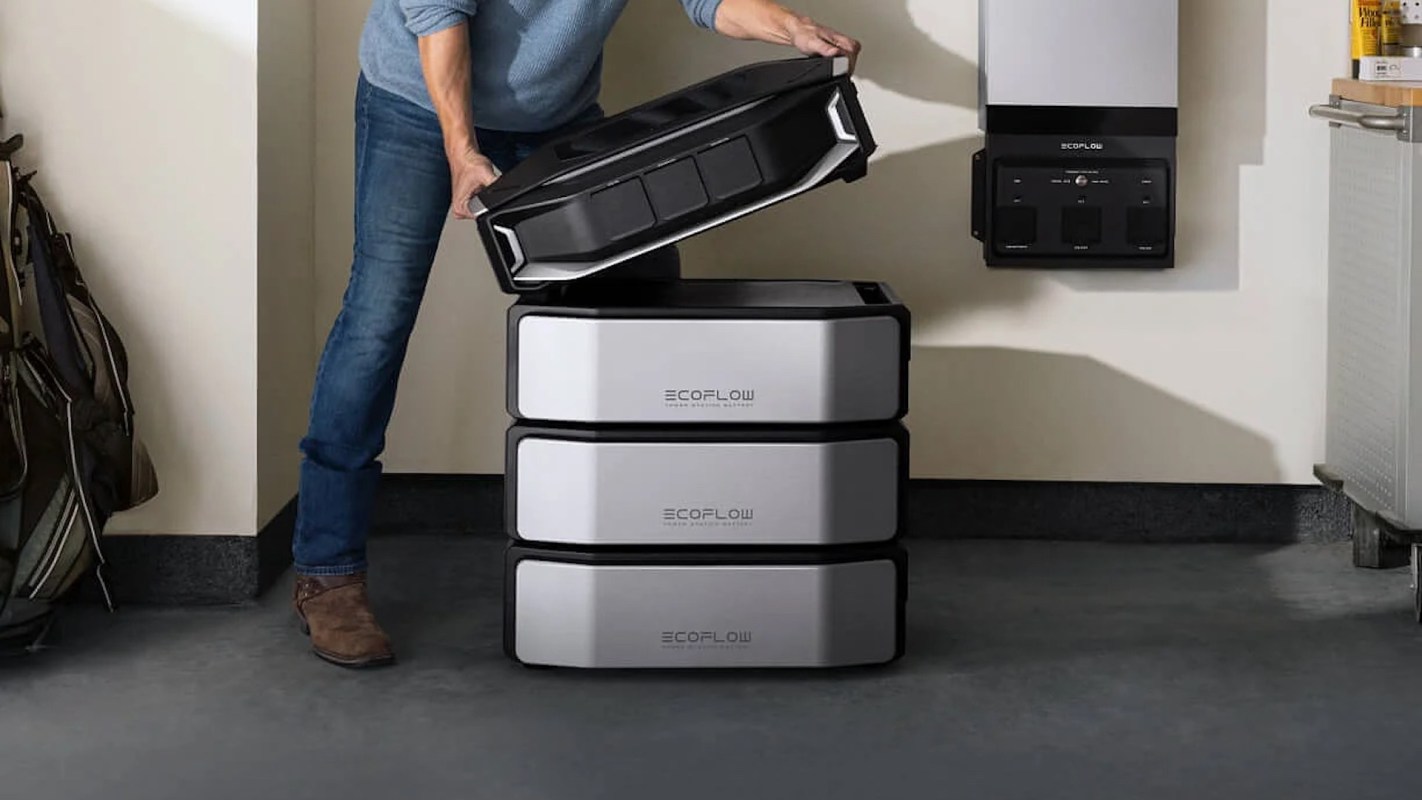
Home battery systems are starting to do more than keep a few lights on during an outage. One of the latest examples is EcoFlow's Delta Pro Ultra X, a whole-home backup battery that a ZDNET reviewer said powered a 3,000-square-foot house through blackouts with almost no interruption — even keeping air conditioning running.
In a recent review, ZDNET's Maria Diaz tested the EcoFlow Delta Pro Ultra X alongside the company's Smart Home Panel 3 and said the setup kept her home operating "as if the grid had never gone down" during two power outages in March.
Diaz explained the Delta Pro Ultra X can scale from 12 to 36 kilowatts of output with 12 to 180 kilowatt-hours of storage. It can also accept up to 10 kilowatts of solar input, making it possible to recharge with rooftop panels and stretch backup time well beyond a few hours.
Homeowners who have adopted solar panels and batteries already know that the technology isn't just good for power outages. Pairing the two can help them save significantly on energy costs.
To see how much you can save, connect with the experts at EnergySage for quick installation estimates from trusted installers.
One of the standout details from Diaz's test was the switchover speed. Diaz said the system changes over to battery power in under 20 milliseconds, fast enough that she didn't notice a flicker when the grid went down.
Diaz noted that the system's scalable capabilities unlock a significant amount of power.
"This capability means the DPUX can run everything in your home at once, including large loads like your HVAC and EV charger, and keep your home running for days — not hours," Diaz said.
Save $10,000 on solar panels without even sharing your phone number Want to go solar but not sure who to trust? EnergySage has your back with free and transparent quotes from fully vetted providers that can help you save as much as $10k on installation. To get started, just answer a few questions about your home — no phone number required. Within a day or two, EnergySage will email you the best local options for your needs, and their expert advisers can help you compare quotes and pick a winner. |

For households dealing with more frequent outages, backup power and solar panels are becoming less of a luxury and more of a resilience tool. Extreme weather, grid strain, and heat waves can quickly turn a blackout into a health and safety issue, especially in places where air conditioning is essential.
A battery backup and solar system can also be a cleaner alternative to traditional gas generators. Instead of burning fuel on-site, systems like this can store electricity from the grid when rates are low or from solar panels when the sun is shining. That can help lower household pollution and reduce electric bills.
There's also a quality-of-life difference between "survival backup" and "whole-home backup." Running a fridge and a few outlets is helpful, but being able to keep cooling systems, kitchen appliances, and other major loads online can make outages far less disruptive.
Companies such as EcoFlow are pushing home backup systems toward modular designs that can be expanded over time rather than requiring one massive custom installation from the start. In Diaz's review, she said the full system is relatively quick to install and offers impressive energy output.
More From EnergySage
💡Go deep on the latest news and trends shaping the residential solar landscape

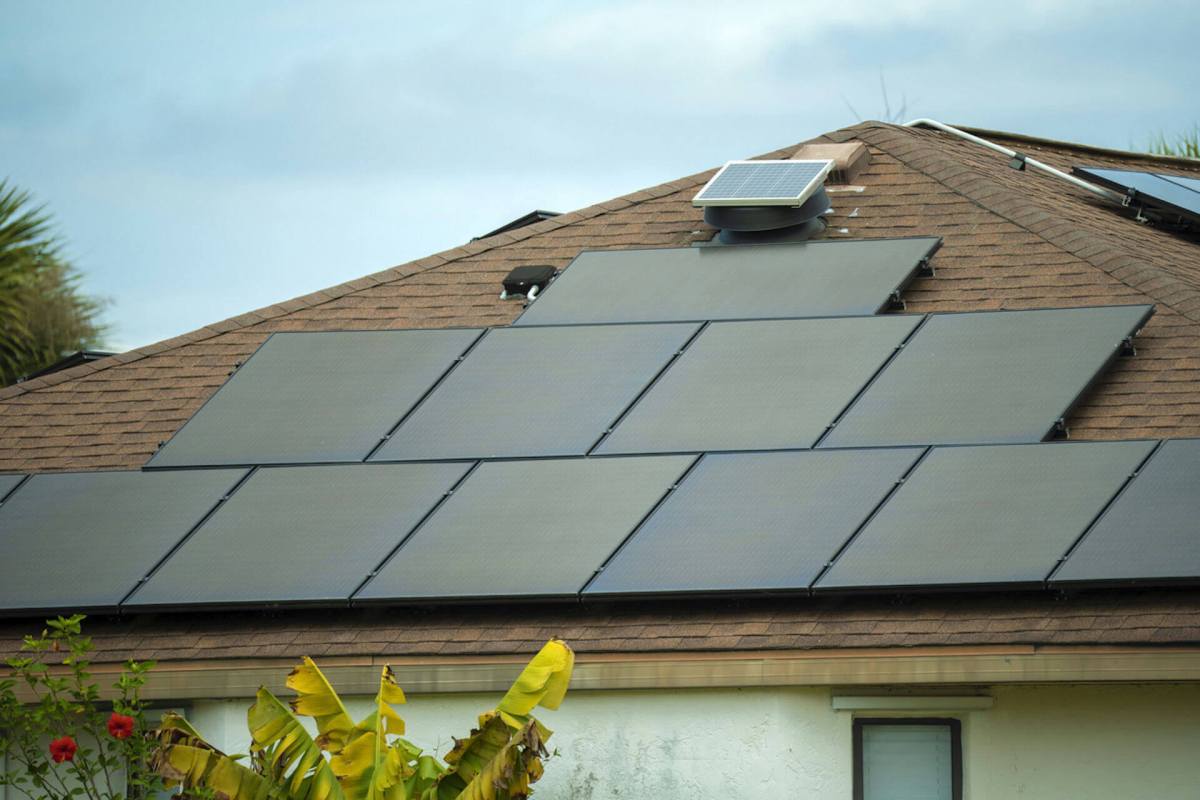
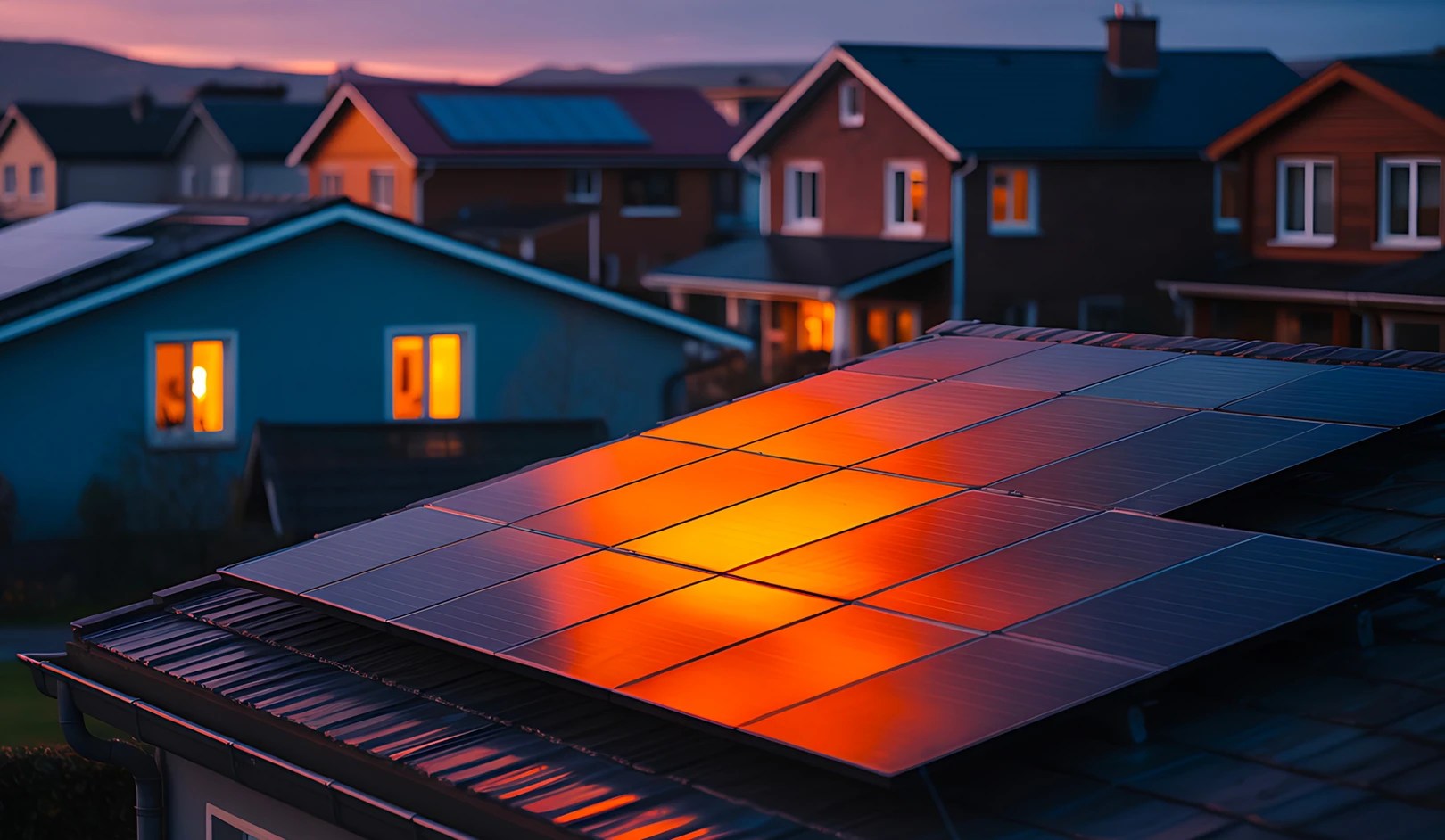

For homeowners interested in backup power, there are a few practical steps to take. Figure out your essential loads first, such as refrigeration, internet, medical devices, and cooling. Then, use tools like those available from EnergySage to compare whole-home battery systems and solar panels that can power your vital appliances.
Homeowners who use EnergySage resources can even save up to $10,000 on the cost of purchases and installations.
If you're concerned about upfront costs, EnergySage has a helpful mapping tool to show you the average cost of solar in your area as well as details on local incentives. It ensures you get the best price possible on a clean energy upgrade.
And, to fully protect your home from outages, save money by dodging peak electricity rates, or cut ties with the grid entirely, consider pairing your solar panels with a battery backup. EnergySage's battery resources can help you get started.

Get TCD's free newsletters for easy tips, smart advice, and a chance to earn $5,000 toward home upgrades. To see more stories like this one, change your Google preferences here.