


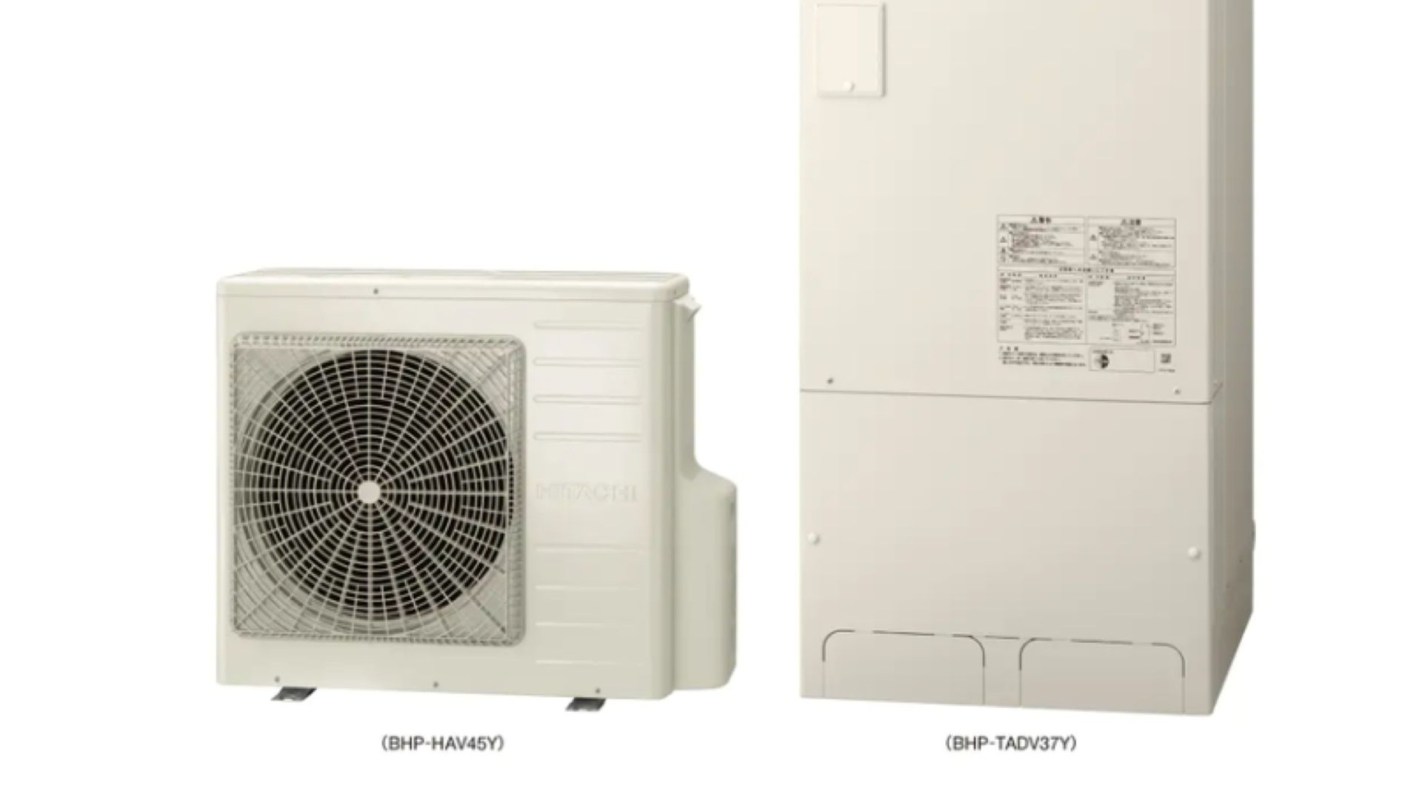
Hitachi is introducing a new range of EcoCute heat pump water heaters in Japan that use CO2-based heating and add controls suited to electricity pricing that favors daytime solar power.
For households, that matters because heat pump water heaters can reduce utility bills by using electricity far more efficiently than standard electric hot-water tanks.
Here's what to know
According to pv magazine, Hitachi Global Life Solutions plans to start selling its new residential Y-series EcoCute water heaters in Japan in November 2026.
The new models include the fully automatic BHP-FV37YD and BHP-FV46YD. Both provide direct mains-pressure hot water and offer storage capacities of 97.7 gallons (370 liters) and 121.5 gallons (460 liters).
Using natural refrigerant carbon dioxide — long a defining feature of EcoCute systems in Japan — the two models target different household sizes: about three to five people for the smaller unit and four to six for the larger one.
A key update in the Y series is wider compatibility with electricity tariffs meant to move water heating into daytime hours.
Utilities are increasingly encouraging daytime water heating as more solar power enters the grid. Hitachi said owners can choose supported rate plans through the water heater's remote controller, while other tariffs can be configured manually.
More background
Water heating is one of the largest energy demands in many homes, so shifting it to periods when solar generation is plentiful can help households use cleaner electricity more effectively while potentially lowering costs.
Save $10,000 on solar panels without even sharing your phone number Want to go solar but not sure who to trust? EnergySage has your back with free and transparent quotes from fully vetted providers in your area. To get started, just answer a few questions about your home — no phone number required. Within a day or two, EnergySage will email you the best options for your needs, and their expert advisers can help you compare quotes and pick a winner. Solar panels can save you more than $50k over their 25-year lifespan, and EnergySage can help you save as much as $10k on installation. Which begs the question — isn't that worth an email or two? |

Full efficiency figures for the new models have not been published yet. Under JIS metrics for yearly water-heating and heat-holding performance, the earlier BHP-FV37WD and BHP-FV46WD are rated at 4.2 and 4.1, respectively.
Hitachi also has not said whether the Y series includes a redesigned compressor, refrigerant circuit, or heat-exchange setup.
From the specifications released so far, the new products appear to be an update to Hitachi's current EcoCute platform rather than a wholly new heat pump architecture.
What's being done?
In addition to the tariff controls, the Y series can connect to Hitachi's home energy management system through separate HEMS and wireless LAN adapters.
That connectivity can help homeowners better coordinate appliances, monitor energy use, and align hot-water production with household demand.
Hitachi is also introducing a five-year manufacturer warranty for the Y series that covers the heat pump, the hot-water tank, certain consumable parts, plus the remote control and both connectivity adapters.
This move toward smarter water heating is also showing up in products from Cala. Its customizable smart heat pump water heaters help homeowners decrease their energy bills by heating water exactly when it's needed. Instead of following a generic schedule, the systems adapt to a home's routines and electricity prices, which can be especially useful for households trying to get more out of rooftop solar or time-of-use plans. For consumers focused on comfort and savings, Cala points to where the category is headed.
Hitachi's launch suggests the next generation of efficient home appliances will do more than simply use less power. Increasingly, they may help households use electricity at better times, potentially cutting bills while making cleaner energy easier to use.
Where can I learn more?
These stories focus on EV charging instead of water heating, but they point to the same trend: homes are getting more electric, and people are paying closer attention to when they use power. They offer a useful look at how companies and homeowners are changing equipment choices, installation decisions, and charging habits in response to energy prices and grid conditions.
• Qmerit is helping homeowners snag a free EV charger during home installation projects.
• Qmerit says home EV charger costs can fall as drivers charge overnight.
• ChargePoint says its 10-minute EV charging breakthrough could reshape public power access.
For anyone following Hitachi's solar-friendly EcoCute rollout, these articles help show where smart water heating fits into the broader home-electrification push. The products differ, but the bigger theme is the same: timing and location of electricity use are becoming a bigger part of how households save money and make the most of cleaner power.

Get TCD's free newsletters for easy tips, smart advice, and a chance to earn $5,000 toward home upgrades. To see more stories like this one, change your Google preferences here.






