


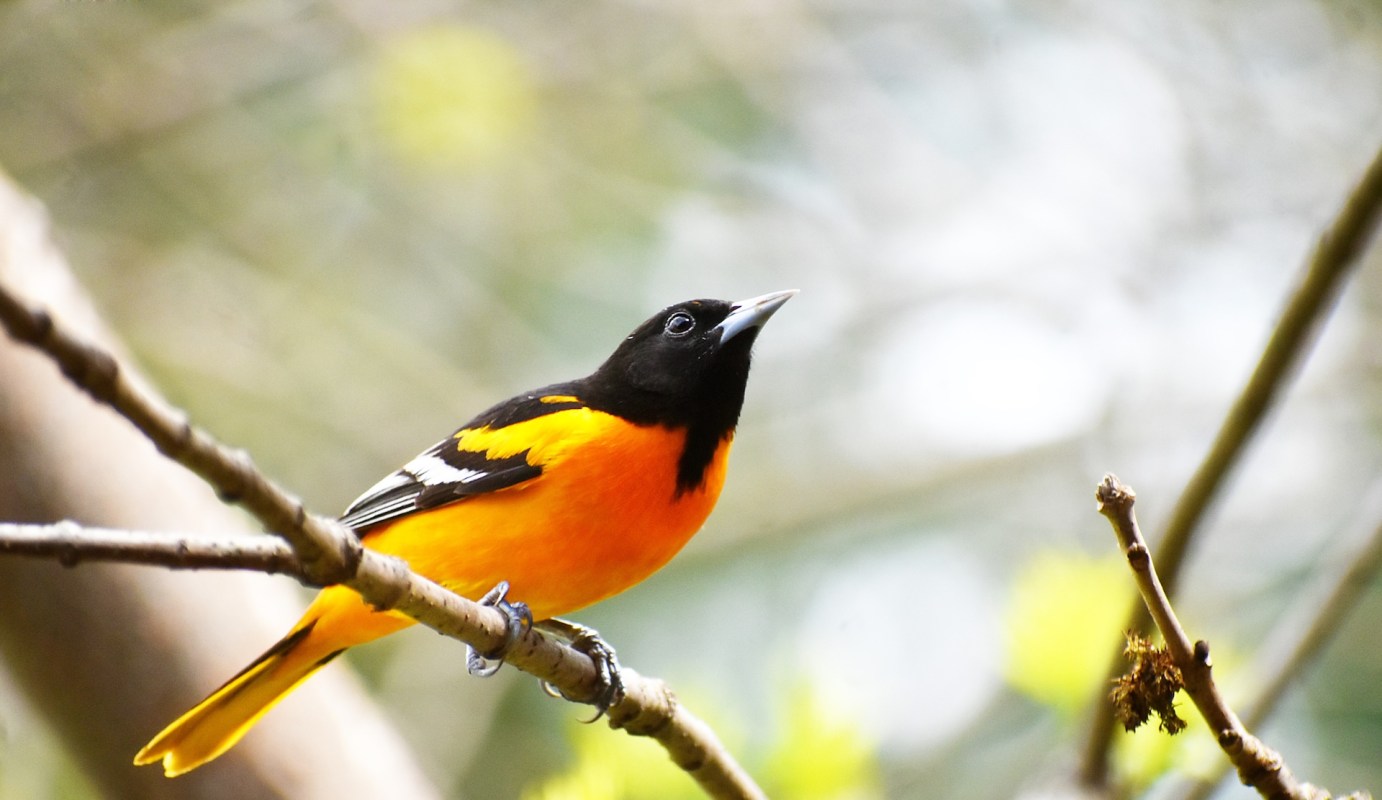
A Yale-led study found that heat waves and cold snaps do more than disrupt bird migration — they may help determine whether entire North American bird species can live in a place at all.
This is a serious issue beyond whether birdwatchers can spot a familiar favorite — when bird populations are pushed out of familiar habitats, places can lose part of the natural systems that help support healthier forests, farms, and neighborhoods.
Here's what to know
Researchers at Yale say severe weather episodes are part of what determines where North American bird species live and how biodiversity is spread across the continent. Their conclusion is that species locations cannot be explained or projected accurately without factoring in those extremes.
To reach that conclusion, they combined satellite and ground-based data with bird sightings from eBird, a database where the public reports sightings.
The finding challenges the way species ranges are often discussed. Traditional models tend to focus on average climate conditions, such as typical temperatures or rainfall totals.
Those long-term averages can miss the conditions birds face during a blistering heat wave, a sharp freeze, or another burst of severe weather.
TCD Picks » Quince Spotlight
💡These best-sellers from Quince deliver affordable, sustainable luxury for all




That means a region can seem suitable in average climate data yet still go unused by certain birds once short, severe weather swings are considered.
For conservation planners, that means habitat maps may need to change. If extreme weather is left out, efforts to protect species could overlook the places birds need most as climate pressures intensify.
More background
Many people can feel the effects of extreme weather in their lives, ranging from dangerous heat to sudden cold snaps. Wild animals deal with these same conditions — however, they don't have the shelter, water access, or flexibility available to humans.
Birds help disperse seeds, control insects, and support ecosystems that people depend on.
When biodiversity declines or shifts dramatically, the effects can ripple outward into agriculture, recreation, and local economies.
Predicting change in a warming world is not just about tracking gradual trends. Sudden extremes can act as hard boundaries, limiting where species can breed, feed, or recover.
If scientists and policymakers underestimate how extreme weather is reshaping wildlife ranges, it could delay better land-use planning and conservation strategies that protect both nature and the benefits people receive from it.
What's being done?
The clearest step underway is improving the science itself. By incorporating severe weather into species distribution models, researchers can give conservation groups, land managers, and decision-makers a more realistic picture of which habitats may remain viable.
That can help guide where protections are expanded, where habitat corridors are most needed, and which areas may serve as refuges as conditions become less stable. Better forecasting also makes it easier to prioritize limited funding, rather than reacting only after populations have already declined.
Preserving trees, wetlands, and connected green space can help both people and wildlife withstand heat and flooding more safely, creating places that are better prepared for an increasingly volatile climate.
If extreme weather is shaping where birds can live, conservation can no longer rely on climate averages alone. Understanding those sharper shocks may be key to protecting biodiversity — and the healthier communities that depend on it.

Get TCD's free newsletters for easy tips, smart advice, and a chance to earn $5,000 toward home upgrades. To see more stories like this one, change your Google preferences here.






