


Experts say India's official count of heat-related deaths may capture only a fraction of the real toll, a concern highlighted by the case of a farm worker in southern India who labored in temperatures above 104 degrees Fahrenheit, went home exhausted, and never woke up.
What happened?
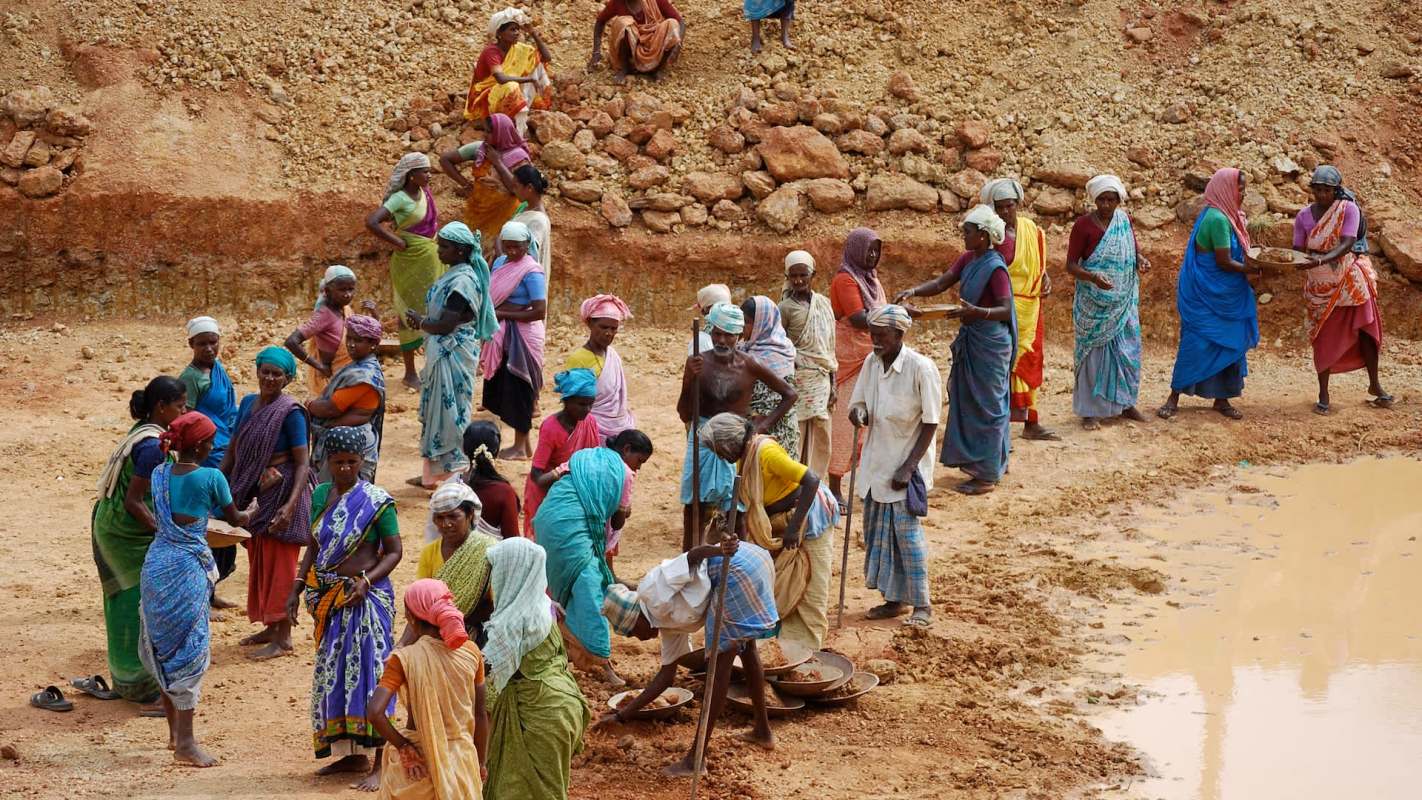
According to the Guardian, Palli Mahalaxmi, a 50-year-old laborer in Southern India, woke up around 5 a.m. on a May morning and went to work digging a water reservoir as part of a government program giving lower-income families guaranteed employment. The day was extremely warm as a heat wave had inundated the region.
The Guardian noted that the heat was unrelenting, even during the night. After her shift, Mahalaxmi returned home and collapsed in her bedroom. Later that evening, her husband, Palli Shyam Sundha Rao, found her and rushed to find medical help. The doctor relayed that Mahalaxmi had died from heat stroke.
Her friend and co-worker Parvati Purilla described the brutal working conditions of that day to the Guardian.
"The heat was terrible, and that makes the work very difficult. When you drink water, you just sweat it out immediately. Sometimes we got dizzy — but what choice do we have?" Purilla said.
After Mahalaxmi died, her husband said the family had not received any compensation.
TCD Picks » Quince Spotlight
💡These best-sellers from Quince deliver affordable, sustainable luxury for all




"We are helpless without her," Rao, who is unable to work and cares for a son with a disability, told the Guardian.
Her death was officially recorded as caused by heat, even as experts say many similar cases are missed. As reported by the Guardian, government data lists 460 heat deaths in 2024 and 84 in 2025, while a University of California, Berkeley, analysis estimated that a single day of severe heat could be associated with roughly 3,400 additional deaths across India.
Why is the heat so dangerous?
Mahalaxmi's death points to a wider public health danger as climate-fueled heat waves become more frequent, longer-lasting, and more intense.
Across India, many people spend long hours outdoors or in badly ventilated indoor spaces with limited shade, cooling, rest, or medical support. When heatstroke is not treated, it can be fatal, and extreme heat can also worsen heart, kidney, and other chronic health problems.
Worsening extreme weather disasters threaten both lives and livelihoods. Dangerous heat can kill workers, reduce incomes when people are forced to stop working, overwhelm hospitals, and leave families without breadwinners.
The effects can ripple through entire communities, especially in lower-income rural and urban areas where people have the fewest protections and the least capacity to absorb economic shocks.
The researchers and doctors cited in the report said official numbers likely miss many heat-related deaths.
"Heat deaths are a catastrophic disaster that are avoidable, predictable, and are steadily going to get worse," Ashok Gadgil, a co-author of the UC Berkeley report, told the Guardian.
What's being done?
As the outlet reported, India's finance ministry this year classified heat waves as a national disaster, a step that could help unlock more formal planning and support.
Experts also said better mortality tracking is urgently needed.
Dr. Amlendu Yadav, head of the heatstroke unit at Ram Manohar Lohia hospital in Delhi, told the Guardian that he has seen deaths rise during heat waves and suspects many are never officially classified as heat-related.
More accurate data could help officials build stronger early warning systems, improve emergency response, and better protect outdoor workers and vulnerable residents.
Experts said measures such as shifting work hours, taking frequent rest breaks, carrying enough water, and seeking cooler shelter during peak afternoon heat can reduce risk, though personal precautions cannot replace broader systemic protections.
"It was such a shock to all of us," Purilla said. "If the heat can take her like this, then it could take any of us."

Get TCD's free newsletters for easy tips, smart advice, and a chance to earn $5,000 toward home upgrades. To see more stories like this one, change your Google preferences here.






