


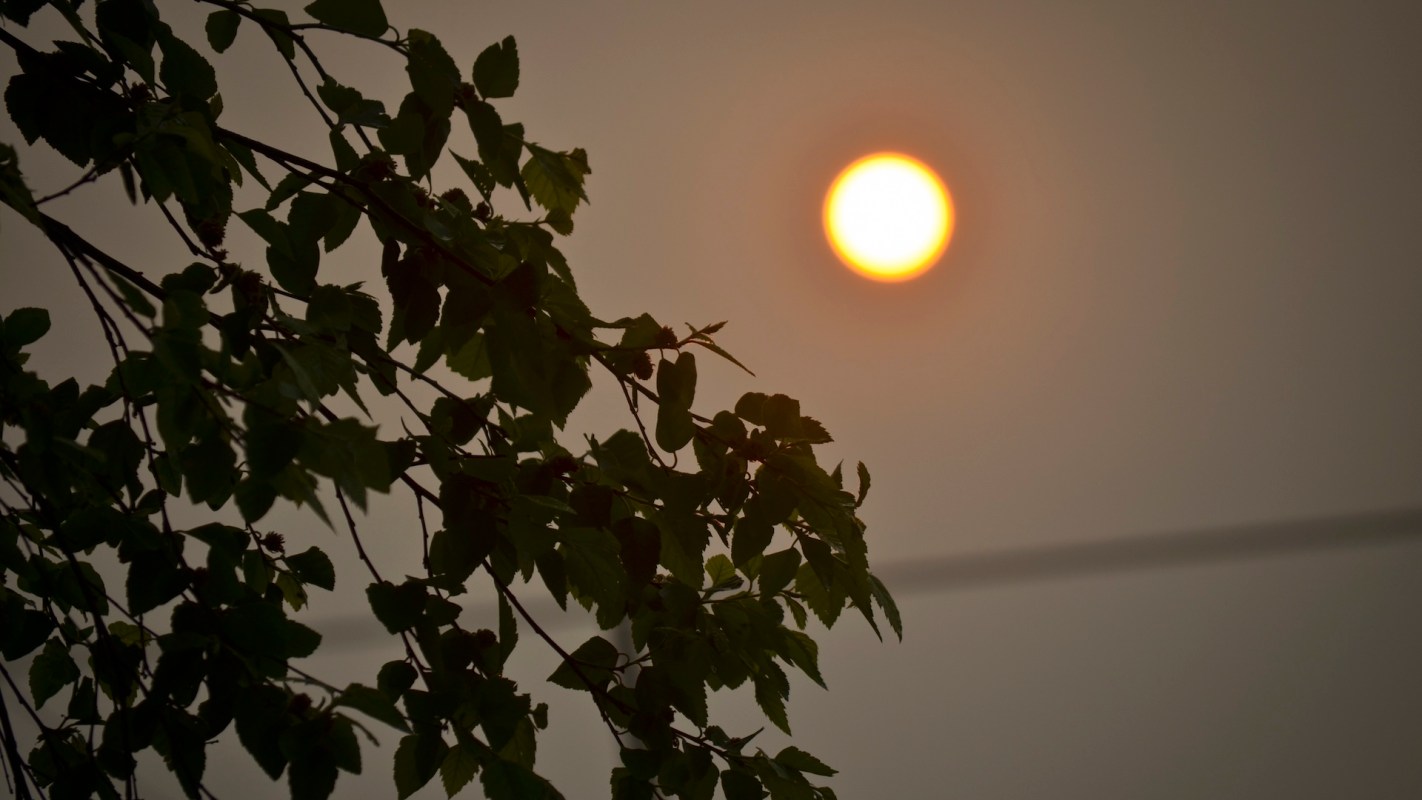
Millions of people across a large stretch of the Eastern United States could face several consecutive days of oppressive heat and humidity next week as a broad heat dome takes shape, according to News 5 Cleveland.
Meanwhile, Utah and some surrounding states are dealing with highly volatile fire weather, creating a stark split in hazards across the country.
What's happening?
According to News 5 Cleveland, a reconfiguration of the jet stream is expected to lock heat in place over the South, then extend that pattern into the Midwest, Great Lakes, and later the Northeast.
Humidity is expected to make conditions feel far hotter across a wide area, with heat index readings projected in the 100-110 degree range and perhaps up to 115 degrees in a few locations.
Cities including Chicago, Detroit, St. Louis, Dallas, and Nashville, Tennessee, could mark their highest temperatures of the year. Highs in the upper 90s are expected across much of the South, while the Midwest, Mid-Atlantic, and Northeast could spend several days in the low to mid-90s, News 5 Cleveland reported.
Overnight relief may also be limited. Low temperatures are expected to remain in the 70s, and some urban areas may struggle to dip below 80 degrees.
TCD Picks » Quince Spotlight
💡These best-sellers from Quince deliver affordable, sustainable luxury for all




That broader setup is also worsening fire danger in the West. The National Weather Service's Salt Lake City office issued its first-ever "particularly dangerous situation" red flag warning, while the Cottonwood Fire remains 0% contained.
Why does it matter?
NWS statistics cited by News 5 Cleveland show that heat kills more people on average each year in the U.S. than any other weather hazard — more than tornadoes, hurricanes, and lightning combined.
The Centers for Disease Control and Prevention warns that spending too much time in extreme heat can cause illnesses, including heat cramps, heat exhaustion, and heat stroke. NWS says emergency room visits for heat-related illness rise sharply on "major" and "extreme" heat risk days.
Dangerous heat can threaten outdoor workers, older adults, children, and people without reliable cooling. Wildfire conditions, meanwhile, can force evacuations, destroy homes, disrupt local businesses, and cause costly damage for entire communities.
When these events happen at the same time, they can place extraordinary strain on hospitals, emergency responders, utilities, and household budgets.
Even if there are no records, the heat event's size and expected multiday stretch still make it a significant public health and safety threat. Scientists have warned that human-caused warming from fossil fuel pollution is making heat waves more common and more intense.
What can I do?
If you live in the path of the heat dome, practical steps include staying hydrated, avoiding strenuous outdoor activity during the hottest part of the day, wearing lightweight clothing, and using air conditioning or cooling centers.
It is also important to check on neighbors, especially older adults and anyone without dependable cooling.
Because nights may remain unusually warm, residents can also try to keep indoor spaces as cool as possible by closing blinds during the day and using fans. Children or pets should never be left in a parked car, even briefly, and it can help to learn the warning signs of heat exhaustion and heat stroke before temperatures spike.
In Utah and other fire-prone areas, residents should avoid any activity that could spark flames, stay alert for evacuation notices, and keep essential items ready to go.

Get TCD's free newsletters for easy tips, smart advice, and a chance to earn $5,000 toward home upgrades. To see more stories like this one, change your Google preferences here.






