


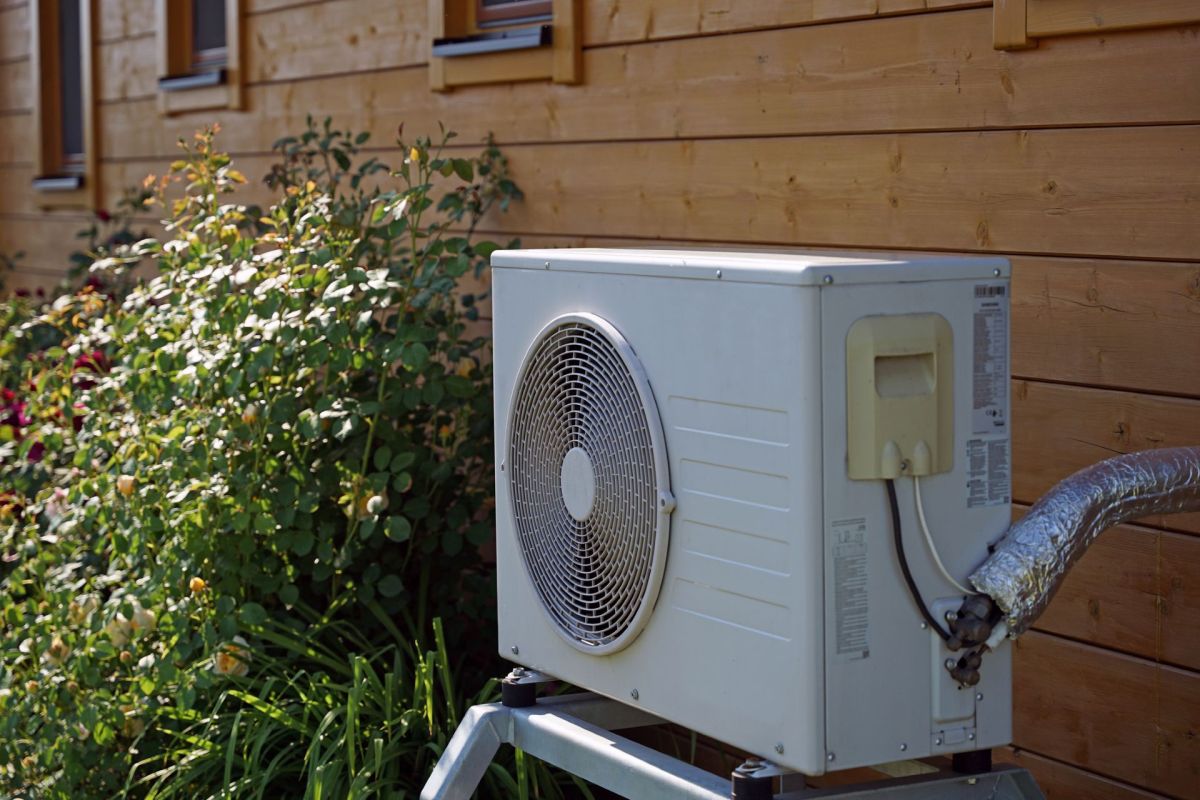
An aging grid, increased demand for electricity, and volatile weather are all contributing to a burdensome surge in energy costs. However, Harvard researchers discovered that heat pump adoption could save certain households thousands of dollars each year.
One of the study's co-authors, Roxana Shafiee, broke down the encouraging findings in an article for The Conversation, a nonprofit, independent news organization.
In short, your heat-pump savings will depend on where you live, as climate, pricing, and energy infrastructure vary across the United States. Still, the researchers found that "installing a heat pump would reduce heating bills across all parts of the country" for households that use oil, propane, or other forms of electric heating.
In the Northeast, for example, annual savings could reach $3,000 for consumers who rely on electric furnaces or baseboard heating.
An air-source heat pump pulls heat from the air, while a geothermal heat pump extracts it from the ground — but the concept is the same. Heat pumps move heat rather than burning fuel directly, making them much more efficient and cleaner than conventional furnaces.
TCD's HVAC partner Palmetto can help you understand your efficient HVAC options and lower your energy costs (up to 50%) by finding you the best system and installer for your home and wallet.
And while this particular study focused on heating, it's worth noting that heat pumps actually can pump heat in either direction — in or out of a home or commercial building — depending on the needs, so they serve as both heaters and air conditioners by efficiently moving heat, making them a smart choice in all areas. The Rocky Mountain Institute even found that those in a warmer state, California, could still save $670 per year by using an air-source heat pump and heat pump water heater over other fuel sources, and Rewiring America says typical American homes can save up to $900 per year with a heat pump over a window AC unit and other heating sources.
The Harvard researchers did find that certain households may want to check their electricity and gas rates before switching to heat pumps, though.
Save $10,000 on solar panels without even sharing your phone number Want to go solar but not sure who to trust? EnergySage has your back with free and transparent quotes from fully vetted providers in your area. To get started, just answer a few questions about your home — no phone number required. Within a day or two, EnergySage will email you the best options for your needs, and their expert advisers can help you compare quotes and pick a winner. Solar panels can save you more than $50k over their 25-year lifespan, and EnergySage can help you save as much as $10k on installation. Which begs the question — isn't that worth an email or two? |

Modern heat pumps are more than up to the task in cold-weather climates. However, their analysis showed that households in northern regions, where the energy infrastructure is much more reliant on gas, could experience higher electric bills, while in other areas, gas prices may be much higher. In areas with high electricity prices, solar panels would already be a smart solution, and heat pumps would be able to run directly off the power of the sun.
"A main finding of our analysis was that the cost of electricity is key to encouraging people to install heat pumps," Shafiee wrote for The Conversation.
In the meantime, reimagined and upgraded infrastructure will be a crucial part of "grid balancing" to meet increased electricity demand. In California, a $1 billion investment from UK-based clean-tech giant Octopus Energy is expected to help do just that.
|
Which of these savings plans for rooftop solar panels would be most appealing for you?
Click your choice to see results and earn rewards to spend on home upgrades. |
 Save $1,000 this year 💸
 On a personal level, electrifying your home can help you reduce energy use. If you're interested in exploring your HVAC leasing options, Palmetto can help you discover $0-down plans that start as low as $99 per month and include 12 years of free maintenance.
Palmetto, a TCD partner, also offers solar panels on its LightReach subscription plans customized to your own home's needs.

Get TCD's free newsletters for easy tips to save more, waste less, and make smarter choices — and earn up to $5,000 toward clean upgrades in TCD's exclusive Rewards Club.






