


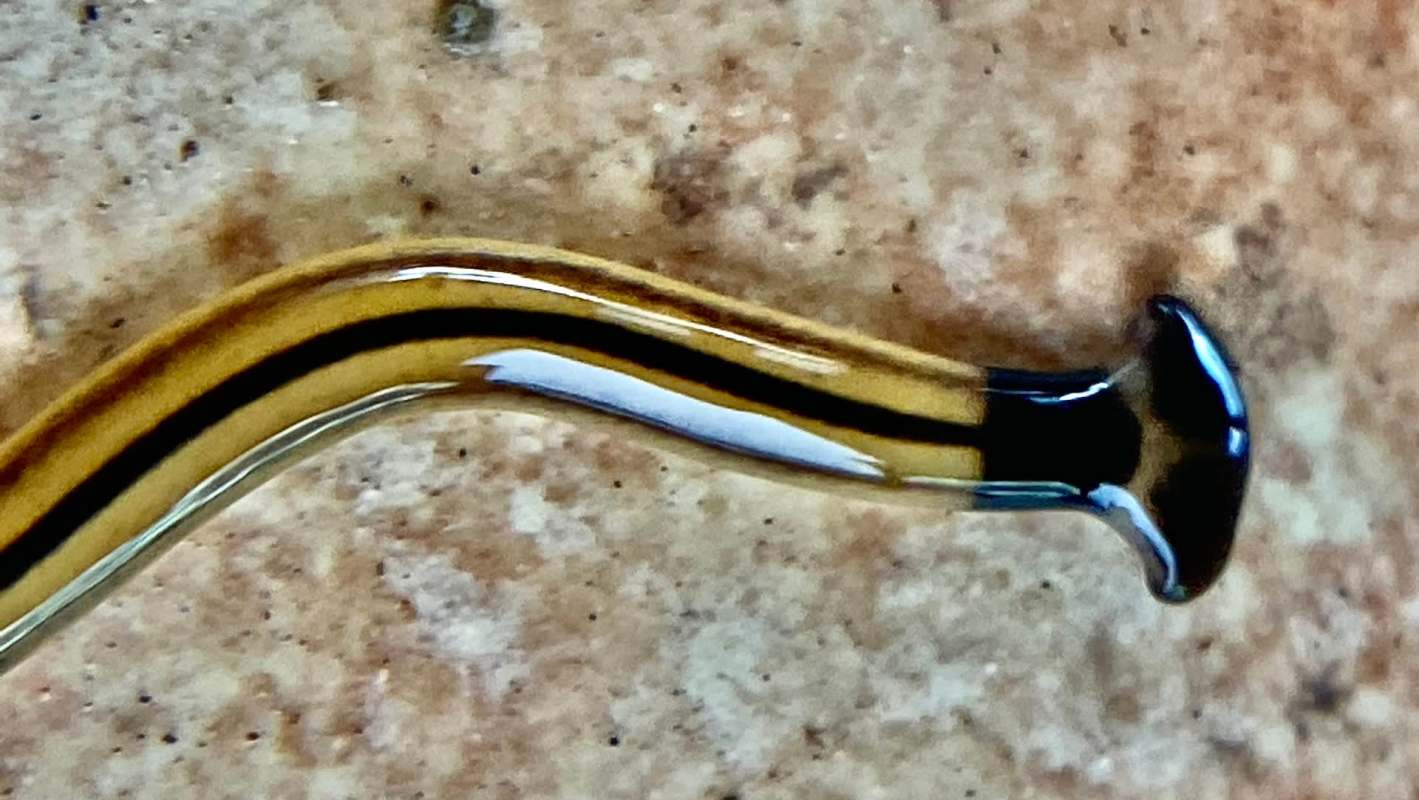
In Tennessee, officials are telling residents to avoid picking up hammerhead worms with unprotected hands. The invasive species can irritate skin and multiply when cut.
What happened?
According to People, the Tennessee Department of Finance and Administration warned people about the invasive worms through a post on Facebook.
"Think twice before picking up that strange worm! If you spot a hammerhead worm in Tennessee, don't touch it with your bare hands," it stated.
The outlet reported that officials said the invasive flatworms prey on native earthworms and may release toxins that irritate skin.
A July notice by the state Department of Agriculture's Division of Forestry, as People noted, said sightings were becoming more common in the region. "We are receiving more reports on hammerhead worms across Tennessee," the agency wrote.
Because hammerhead worms can regenerate from pieces, state officials said residents should not try to get rid of them by chopping them up. That kind of disposal attempt can lead to more worms instead of fewer.
TCD Picks » Quince Spotlight
💡These best-sellers from Quince deliver affordable, sustainable luxury for all




Why does it matter?
The biggest concern is the effect these worms can have on soil health. Earthworms support healthy gardens, soils, and landscapes, so predators that reduce their numbers can have ripple effects across ecosystems.
"Fewer earthworms means less aeration, less decomposition and less nutrient cycling for your garden and surrounding ecosystems," the forestry division explained in its Protect Tennessee Forests campaign, as People reported.
Humans also play a role in the worms' spread. As the outlet reported, the U.S. Department of Agriculture says hammerhead worms are native to Southeast Asia and likely reached the United States in 1891 via infested soil.
The direct risk to people appears limited if contact is avoided. "The likelihood of hammerhead worms harming people or animals is low and would require getting the mucus in the mouth or eyes," entomologist Theresa Dellinger told Virginia Tech News, as People cited.
What can I do?
Residents who come across one of the worms should take a photo and report the sighting to the Tennessee Department of Agriculture, People reported.
The Division of Forestry gave specific disposal guidance, stating: "To safely remove one, use gloves or a stick to place it in a sealed bag or container. You can then cover it with salt, rubbing alcohol, or a citrus oil and vinegar spray applied directly to the worm."
Because the worms are thought to spread through infested soil and plants, checking nursery purchases, transplant containers, and fresh landscaping soil can reduce the chances of bringing them home.

Get TCD's free newsletters for easy tips, smart advice, and a chance to earn $5,000 toward home upgrades. To see more stories like this one, change your Google preferences here.






