


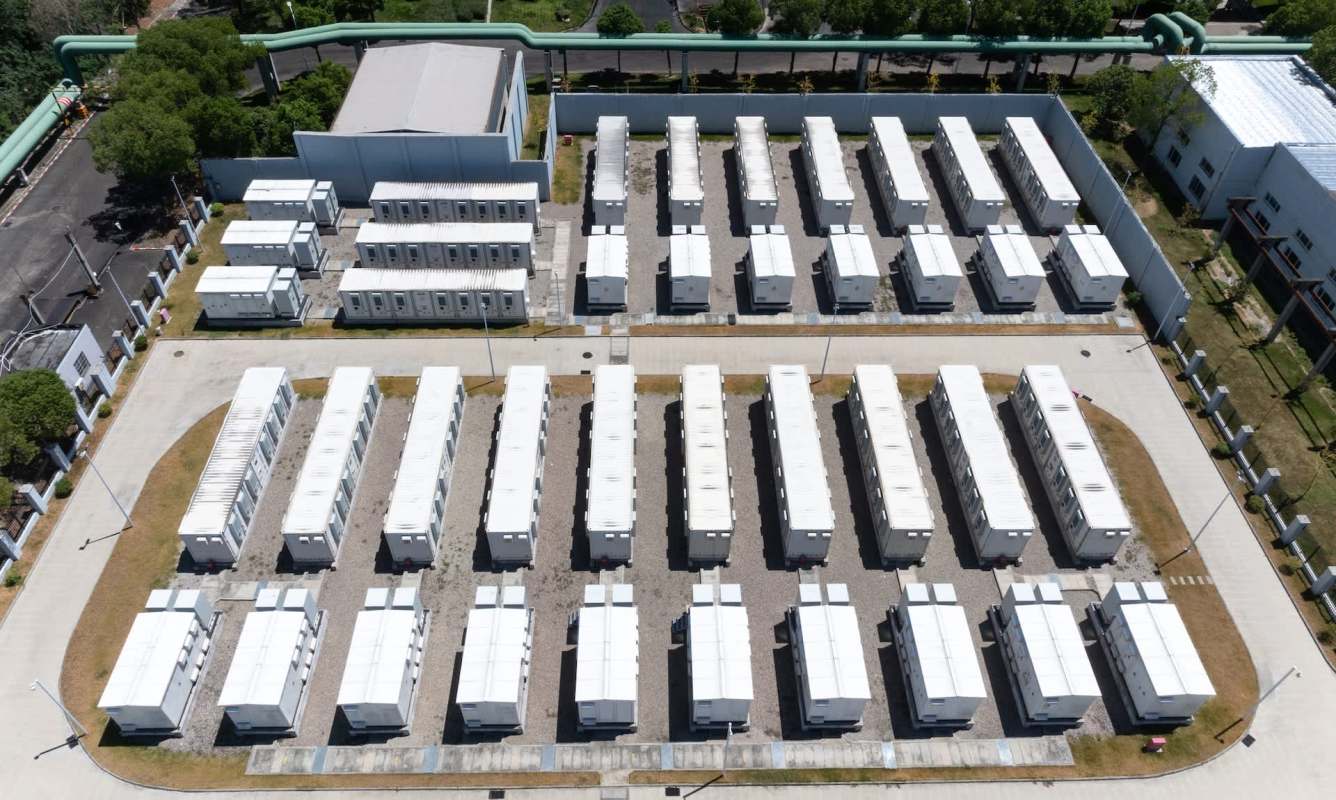
A judge has temporarily halted construction of Adirondack Park's first permitted utility-scale battery storage project as mounting public opposition prompts more towns to pause similar proposals.
The dispute in New York is becoming a major test of how clean-energy infrastructure is built — and whether communities feel they have been heard in the process.
What happened?
State Supreme Court Judge Rebecca Slezak issued a temporary restraining order on March 31, pausing construction of Carson Power's 10-megawatt, four-hour storage project in Northampton, according to the Adirondack Explorer.
Resident Sara Will-White filed the lawsuit on March 23 to try to stop battery storage projects in Northampton and, she hoped, affect similar proposals across the Adirondack Park. A hearing is scheduled for June 5 in Fulton County.
The Adirondack Park Agency approved the Northampton project in January, and the Adirondack Explorer reported that it was the first permitted utility-scale battery storage system in the area.
Since then, opposition has grown. Residents from Northampton to Crown Point have filled public meetings, and towns including Crown Point, Chester, St. Armand, Northampton, and Hadley have adopted moratoriums or other delays.
TCD Picks » Quince Spotlight
💡These best-sellers from Quince deliver affordable, sustainable luxury for all




That pushback reflects a broader pattern: More than 100 municipalities across New York have enacted similar pauses while they take a closer look at the projects.
Why does it matter?
Battery energy storage systems are central to the state's clean-energy strategy. Most proposals involve lithium-ion batteries connected to the grid that store electricity during periods of low demand and release it when demand rises. Supporters have said the systems can improve grid reliability, provide backup power, and help reduce pollution associated with burning fuels.
In the Adirondacks, however, many residents are focused on the risks — particularly fire hazards, environmental impacts, and the burden an emergency could place on small volunteer fire departments. Large battery fires are uncommon, but several incidents in New York have made those concerns difficult to ignore.
The conflict reaches far beyond one town. Adirondack Park is one of the state's most protected landscapes, and the debate reflects a broader frustration shared by many communities: that major infrastructure projects can move ahead before local residents feel their questions have been fully answered.
At its core, the dispute pits two urgent priorities against each other — the push for cleaner energy and the need for community trust.
What's being done?
Towns across the park are trying to buy time. Moratoriums are giving local officials space to review zoning, safety plans, and environmental questions before deciding whether the projects belong in their communities.
The Adirondack Park Agency has also established a separate application process for battery storage proposals and said it evaluates impacts such as wetlands, viewsheds, and other site-specific concerns.
State officials have updated fire code requirements in response to battery safety issues, and developers, including Carson Power, have brought emergency response experts to local meetings to address questions.
Even so, uncertainty remains. In Dresden, for instance, officials have raised concerns after a preapplication for a battery project listed a nearby site as a "data center," fueling fears about water use and pollution, even though the APA said the current filing is only for battery storage.
For residents in other communities, the fight is a reminder to get involved early, review project filings, and press local officials and developers for detailed emergency, land-use, and environmental plans before construction starts.
"It's become quite apparent that the park as a whole has become a target for these types of projects," Will-White said.
Carson Power said its "goal has always been to develop infrastructure that strengthens grid reliability and community resilience while being responsive to local concerns."

Get TCD's free newsletters for easy tips, smart advice, and a chance to earn $5,000 toward home upgrades. To see more stories like this one, change your Google preferences here.






