


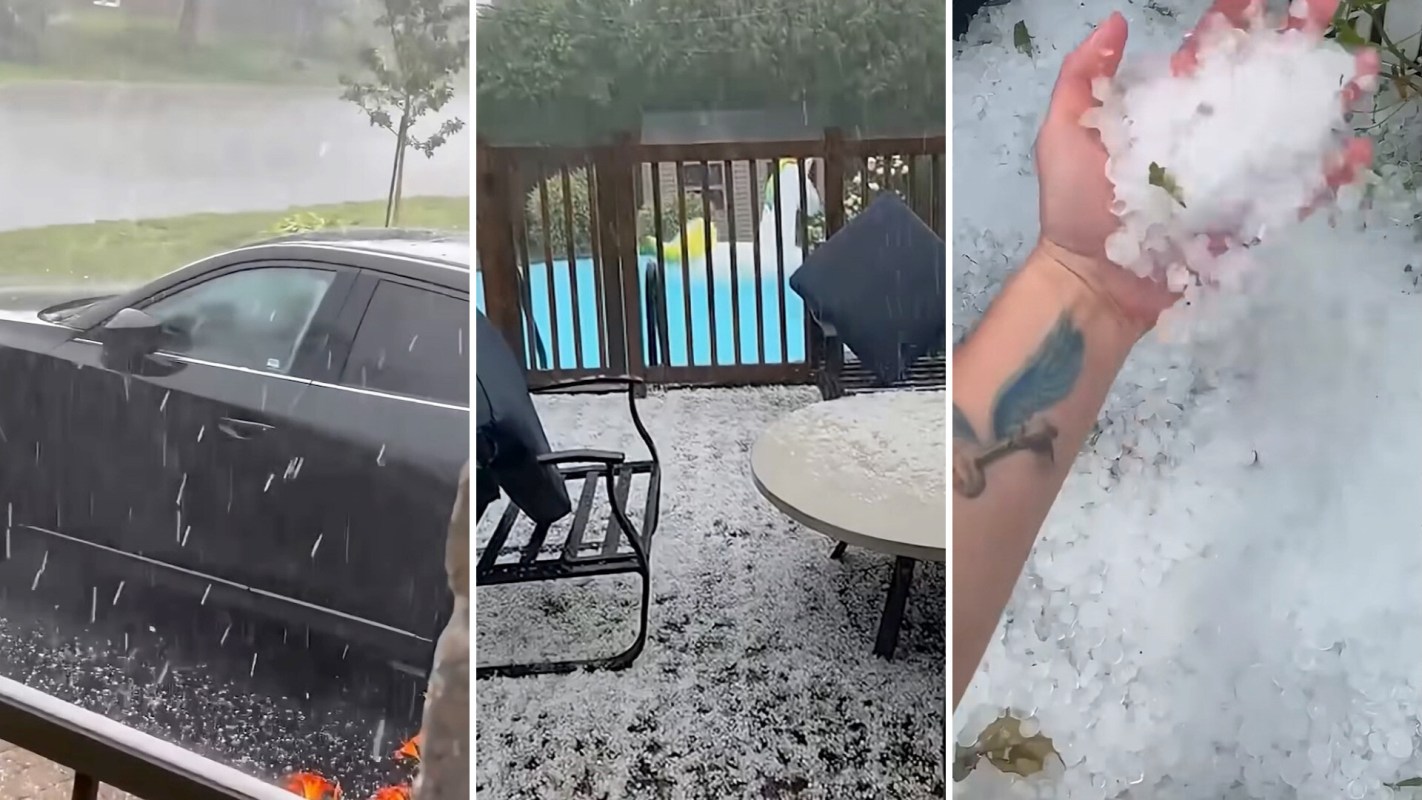
A brief video from August 13 shows how a hailstorm in parts of Quebec north of Montreal quickly became destructive.
The clip shows hailstones strewn across the ground, along with damage visible after the severe burst moved through.
Here's what to know
The Weather Network (@weathernetwork) posted a video made up of viewer and on-the-ground footage from the storm. It emphasizes what a short-lived hailstorm can do, showing large hailstones and the damage they caused.
Although the video does not offer a full damage tally, it shows that the August 13 storm brought hail heavy enough to create dangerous conditions and damage property.
"Yeah, I think I would just stay in bed and let this pass," one viewer remarked in disbelief.
More background
Severe weather can also be highly localized. A storm may pass through quickly, but the impacts along its path can be immediate and disruptive.
TCD Picks » Quince Spotlight
💡These best-sellers from Quince deliver affordable, sustainable luxury for all




Hail is one of the costliest thunderstorm hazards for many communities. It can crack windshields, dent vehicles, shred gardens, damage roofs, and leave homeowners and businesses facing expensive repairs.
Hail forms inside strong thunderstorms when powerful updrafts keep raindrops suspended long enough to freeze and grow in layers. Once those ice stones become too heavy for the storm to support, they fall.
Unlike steady rainfall, hail can turn an ordinary afternoon into a public safety issue within minutes, especially for drivers, people caught outside, and anyone near windows or glass structures.
The consequences can also include unexpected vehicle repairs, damaged siding or roofing, ruined outdoor belongings, and delays to work or errands.
In agricultural regions, hail can also devastate crops, turning a single storm into a much greater financial blow.
What can be done?
When severe thunderstorms are in the forecast, the most important step is to monitor local weather alerts and get into sturdy shelter before the storm arrives. Moving vehicles into a garage or covered area can help limit damage, and staying away from windows is essential once hail begins to fall.
It is also wise to avoid driving during a hailstorm if possible. Large hail can shatter glass, reduce visibility, and make roads far more dangerous in a matter of seconds.
After the storm passes, homeowners can inspect roofs, gutters, siding, and windows for damage and document any issues with photos in case insurance claims are necessary.
Checking trees, outdoor equipment, and power lines around a property can also help identify hazards early.
In storm-prone areas, families can benefit from emergency kits, reliable weather alert apps, and practical home upgrades that make properties more resilient to severe weather.
While those steps cannot stop a storm, they can reduce risk and make recovery easier.

Get TCD's free newsletters for easy tips, smart advice, and a chance to earn $5,000 toward home upgrades. To see more stories like this one, change your Google preferences here.






