


An old conspiracy theory resurfaced online this week after two separate catastrophes: deadly earthquakes in Venezuela and a brutal heat wave in Europe.
In reaction to the news, conspiracy-focused social media users have tried to point fingers at a scientific program known as the High-frequency Active Auroral Research Program, which they said the U.S. has secretly developed to weaponize the weather.
What happened?
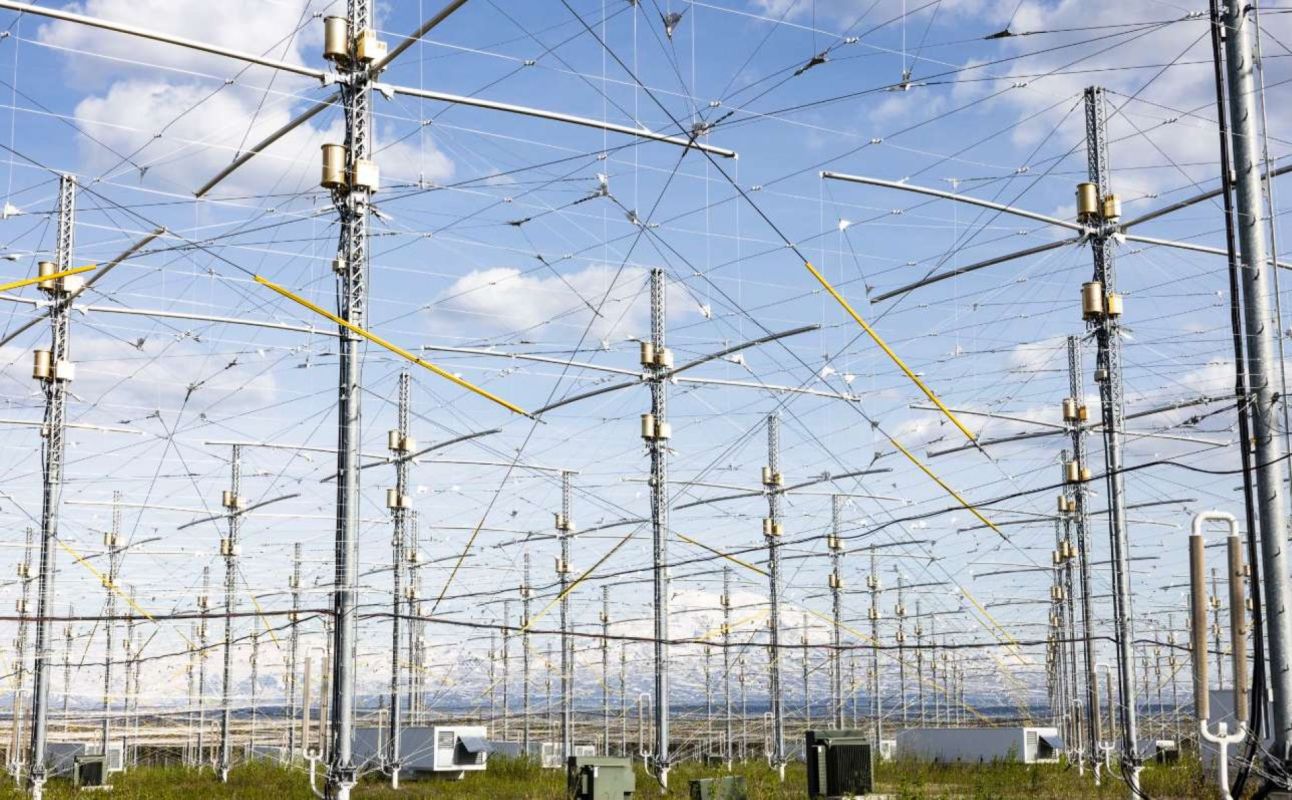
HAARP was created by the U.S. military in 1990 and has been run by the University of Alaska, Fairbanks, since 2015. It's a research program that studies the ionosphere, an electrically charged layer of the Earth's atmosphere. Members use radio transmitters to heat portions of the layer, allowing researchers to study and analyze the effects.
Since news broke about the earthquakes in Venezuela on June 24 and the heat wave in Europe since June 17, there has reportedly been an influx of mentions of HAARP across social media, according to NewsGuard, an internet trust service. The number of mentions went up from 16,200 to 134,000 within a week.
The National Oceanic and Atmospheric Administration has fact-checked these claims in the past and said that HAARP "is not capable of influencing local weather at the Earth's surface."
"The HAARP system is basically a large radio transmitter," NOAA said.
TCD Picks » Quince Spotlight
💡These best-sellers from Quince deliver affordable, sustainable luxury for all




Instead, scientists have pointed to different causes for the heat wave and earthquake. Earthquakes result from movement in Earth's crust, and Europe's scorching temperatures came from a heat dome that held hot air from Africa over Western Europe.
This is not the first time HAARP has been falsely tied to a natural disaster, NewsGuard reported. Since September 2022, NewsGuard alone has debunked 17 such claims, including ones involving Hurricane Milton, the deadly floods in Spain, and the 2023 Turkey-Syria earthquake.
Why does it matter?
This kind of misinformation can distract from the real dangers people are facing.
During heat emergencies, accurate information helps people make practical decisions, such as staying hydrated, limiting outdoor activity during peak temperatures, checking on older neighbors, and paying attention to local alerts. False claims can also cloud public understanding of what causes disasters and how communities can prepare for them.

Get TCD's free newsletters for easy tips, smart advice, and a chance to earn $5,000 toward home upgrades. To see more stories like this one, change your Google preferences here.






