


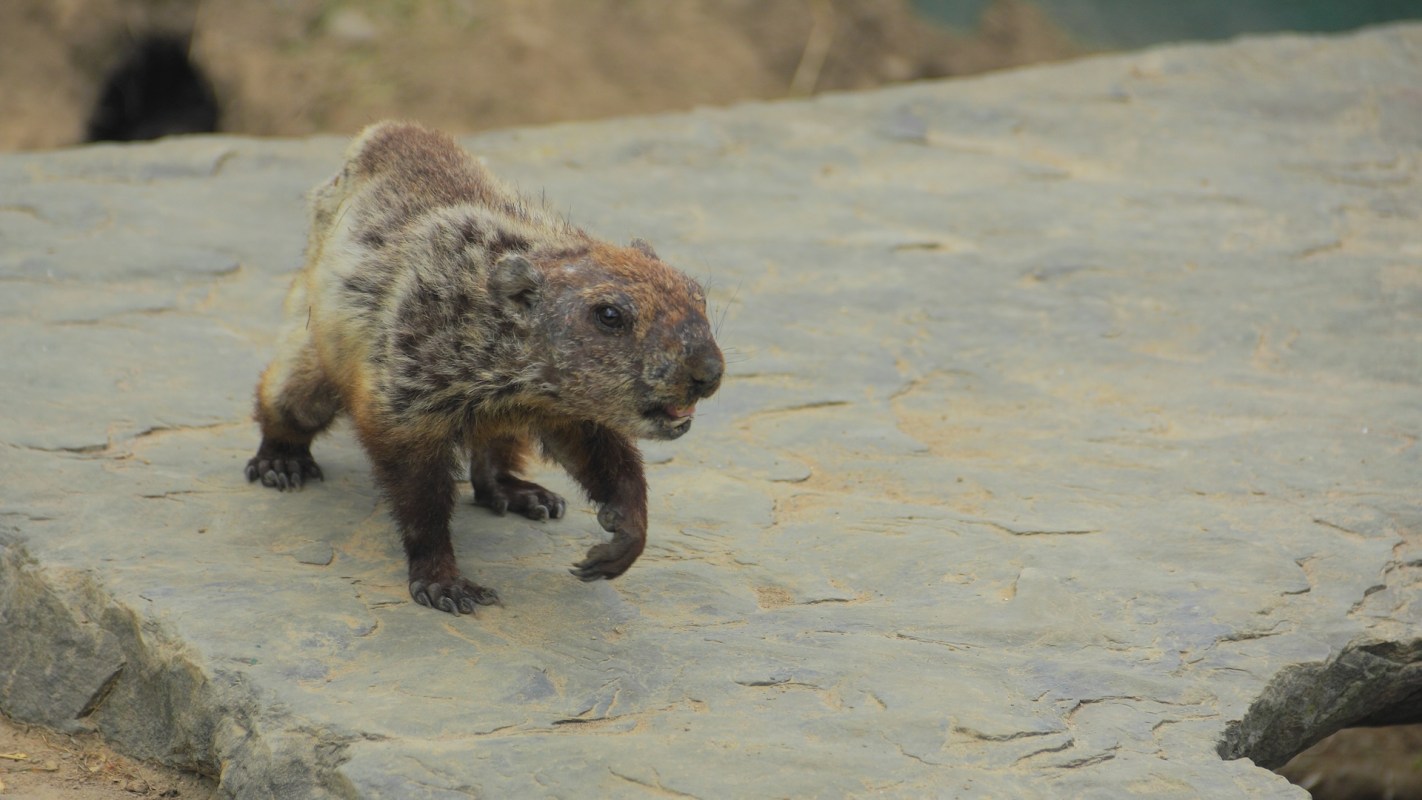
A groundhog attack in southern New Jersey has led to a public health warning after the animal tested positive for rabies.
The case out of Mullica Township is a reminder that a single encounter can have consequences not just for one person but for pets and an entire household.
Here's what to know
Rabies was confirmed on July 31 in a groundhog that had attacked a homeowner in Mullica Township, according to the Atlantic County Division of Public Health. Officials said the animal had been recovered from the 1300 block of Weekstown Road on July 27 and submitted to a state laboratory for testing, as reported by NBC10 Philadelphia.
Officials said the rabid groundhog is the county's second confirmed rabies case this year. The first case was a raccoon found in Mullica Township in late January.
A county investigation found one human exposure and exposure involving two outdoor cats. The homeowner is receiving post-rabies-exposure treatment, while the two cats are under a four-month informal observation period.
Rabies is a viral disease that can spread through saliva if it reaches broken skin or the mucous linings of the eyes, nose, or mouth. Left untreated, it can be fatal, which makes prompt medical attention after a bite especially important.
TCD Picks » Quince Spotlight
💡These best-sellers from Quince deliver affordable, sustainable luxury for all




More background
Groundhogs are not usually the first animals that come to mind in rabies cases, but the virus can infect a wide range of mammals. It is more commonly found in animals such as raccoons, bats, skunks, and foxes, though any wildlife behaving abnormally should be taken seriously.
Encounters like this one often trace back to how close human development sits to wildlife habitat. Rabies risks can rise as neighborhoods, pets, and wildlife increasingly overlap, even when the animal involved is one many people associate more with fields or wooded edges than with residential areas. Wild animals typically attack out of fear or stress rather than aggression, and shrinking habitat can put them in closer contact with people more often.
Rabies can become a family health issue, a veterinary issue, and a financial burden if treatment, quarantine, or follow-up care is required.
Pets often act as a link between wildlife and humans, particularly when they roam unsupervised.
What can be done?
After any animal bite, clean the wound immediately with soap and water, then seek medical attention. That initial response can help lower the risk while doctors determine whether post-exposure treatment is needed.
Pet owners can also reduce the chances of a dangerous encounter by keeping cats indoors, supervising dogs outside, and making sure vaccinations are current. Limiting attractants around the home, such as accessible pet food or trash, can also help keep wildlife from lingering near people.
If a wild animal appears aggressive, unusually tame, disoriented, or sick, residents should keep away and call local animal control or public health officials rather than intervene themselves.
Rapid testing and contact tracing matter at the community level. In this case, health officials identified the exposed person and pets, which lowered the risk of a more serious outcome.
Where can I learn more?
This groundhog case is part of a recurring pattern of rabid wildlife encounters. In New Jersey and beyond, encounters involving raccoons, groundhogs, and even wild boars have raised concerns about public safety, habitat pressure, and how people respond when wildlife starts acting strangely.
Early reporting, up-to-date vaccinations, and taking caution around wildlife acting abnormally can keep a routine outdoor moment from turning into a health or safety concern.

Get TCD's free newsletters for easy tips, smart advice, and a chance to earn $5,000 toward home upgrades. To see more stories like this one, change your Google preferences here.






