


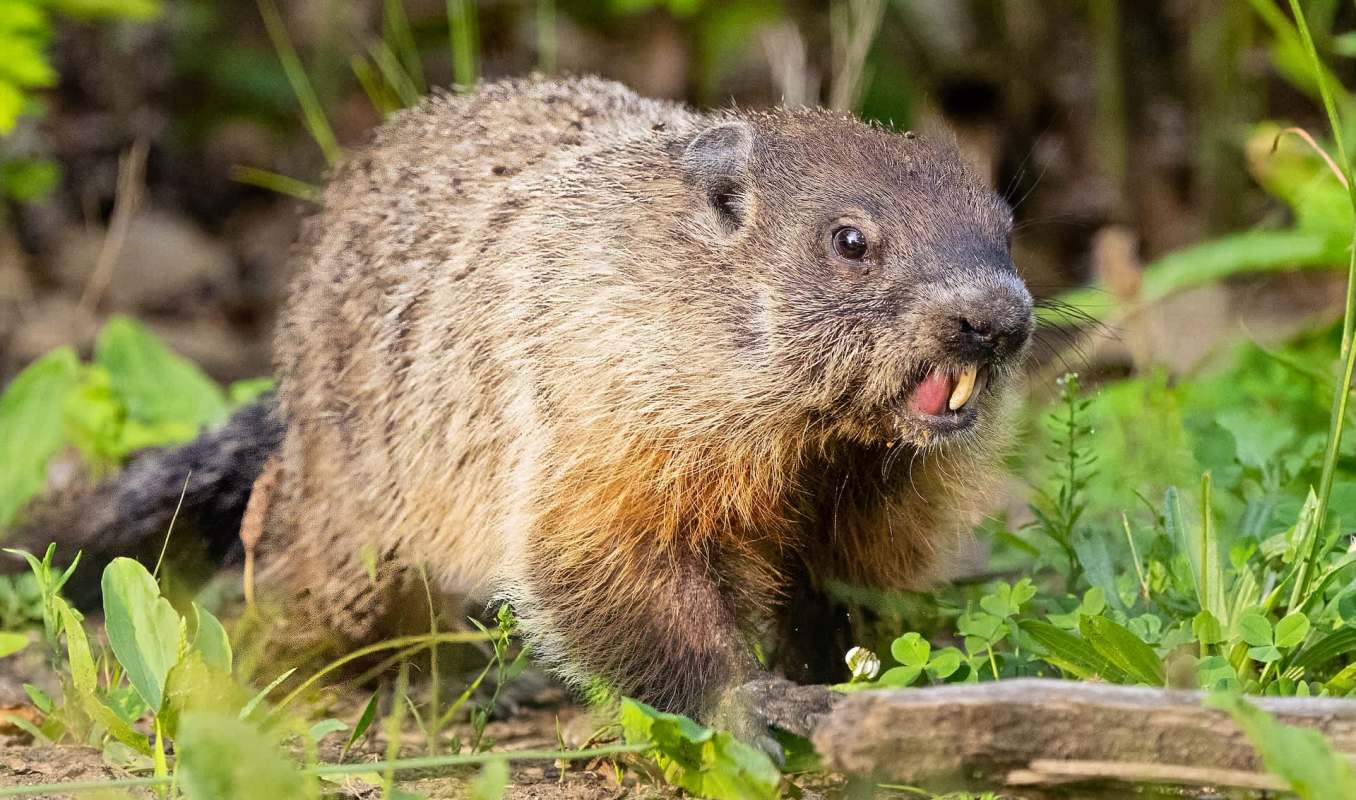
A rabid groundhog in Eastern Pennsylvania attacked a child on a residential street, prompting a warning from local police about the dangers of approaching wildlife that appears sick or aggressive.
As human neighborhoods and wild animals' habitats increasingly overlap, even familiar backyard species can pose serious health risks.
What happened?
After the child was attacked in Nanticoke, police responded to the scene. The animal was found in poor health and later confirmed to be rabid, as WVIA reported.
Thankfully, officers safely secured the animal and had it transported to the Pennsylvania Game Commission for testing.
"A groundhog which was under a parked vehicle attacked a juvenile," the Nanticoke City Police Department wrote in a statement on Facebook. "… This groundhog was confirmed to be rabid. This post is to inform the public not to approach wild animals, and to protect your pets from them."
Under state health guidance, a person is considered exposed to rabies if a rabid animal bites or scratches them. Chief of Police Michael Roke told WVIA that it appeared as if the child was bitten on the leg and scratched, though he added that he could not confirm this.
TCD Picks » Quince Spotlight
💡These best-sellers from Quince deliver affordable, sustainable luxury for all




Why does it matter?
Among diseases people can catch from wildlife, rabies is especially dangerous because survival is exceedingly rare once symptoms appear.
State guidance cited by WVIA notes early symptoms can include fever, headache, fatigue, irritability, and pain or itching at the exposure site before the illness progresses to paralysis, seizures, delirium, and death.
Warning signs for rabies in animals can include aggression, excessive drooling, vocalizations, lack of coordination, paralysis, and lack of fear around people.
Pennsylvania typically confirms 350 to 500 rabid animals each year, according to WVIA. But human cases are far rarer. The most recent one reported dates all the way back to 1984.
What can I do?
If you are bitten or scratched by a rabid animal or think you may have been exposed to one, contact a doctor immediately. The disease can be treated if caught quickly.
Keep your distance from all wildlife, especially animals that behave oddly, whether that means they are disoriented, aggressive, or unafraid of humans. Those behaviors can signal illness, including rabies.
Instead of intervening yourself, contact local authorities or wildlife officials, and make sure to keep pets and children out of harm's way.

Get TCD's free newsletters for easy tips, smart advice, and a chance to earn $5,000 toward home upgrades. To see more stories like this one, change your Google preferences here.






