


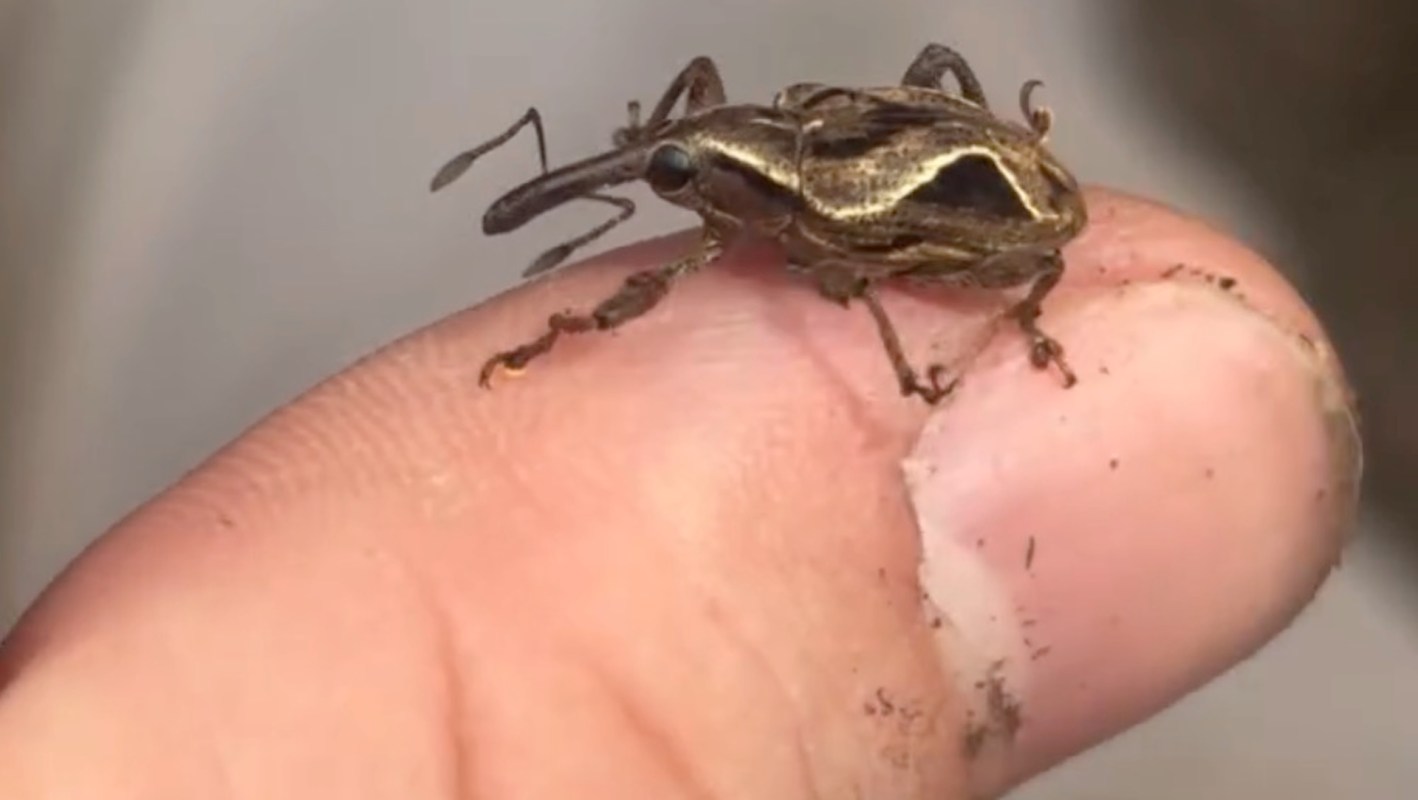
A single beetle with a flashy pattern is giving viewers a surprisingly big lesson in biodiversity. In an Instagram post, the "groovy" weevil turned into a tiny reminder of just how many beetle species exist on the planet — and how easy it is to overlook some of nature's most fascinating animals.
What's happening?
Conservation educator Zach O'Neill (@natural_selections__) shared a close-up video on Instagram of a strikingly patterned weevil, leaning into the insect's retro look and joking: "Check out this groovy-looking 1970s vintage weevil I found. Bro, what kind of pattern is that? Where did he get it? Was it thrifted?"
The caption highlighted how diverse weevils are, pointing out that over 60,000 weevil species are known, and invoked British evolutionary biologist J.B.S. Haldane's observation that if God exists, "He must have an inordinate fondness for beetles." That breadth helps explain why one tiny beetle can look so distinctive.
The clip kept the bit going with another joke as the insect flopped onto its back, then got helped up — "Groovy weevil has perished. Groovy weevil was a victim of his own hubris. Just kidding! He's totally fine." — while Zach highlighted the insect's prominent snout and bold markings.
Users expressed their appreciation for this funny-looking insect. "That is the cutest and weirdest thing I have ever seen?!" one wrote, while another chimed in: "Gwoovy weevil with gwoovy pattern conquers all! Nothing can stop gwoovy weevil!"
Someone else commented, "He looks like a kiwi bird, only in miniature and as a bug."
TCD Picks » Quince Spotlight
💡These best-sellers from Quince deliver affordable, sustainable luxury for all




Why does it matter?
Posts such as this can provide more accessible knowledge, especially when the animal in question is a tiny creature that many people may not notice or may dismiss as just another bug.
Weevils are part of one of the most diverse groups in the animal kingdom, and their variety is a reminder that nature's richness is not limited to large mammals or colorful birds. Insects also make up a massive share of life on Earth.
Public curiosity can shape public care. When people notice insects — their forms, colors, and behaviors — they are more likely to understand that healthy ecosystems depend on all kinds of creatures, not just the most notable ones.
It can also reframe insects as something other than nuisances. A single unusual beetle can become an entry point into conversations about habitat, food webs, and protecting even the smallest residents of the planet.
What can I do?
Looking at the insects in your yard, local park, or neighborhood trees can reveal an incredible amount of variety that often goes unnoticed.
If you spot an unfamiliar beetle, take a photo without disturbing it. A closer look can turn an ordinary walk into a chance to learn about local wildlife and appreciate how much life exists in small spaces.
You can also make outdoor areas more insect-friendly by avoiding unnecessary pesticide use and supporting plants that create better habitat. Even small changes can make it easier for beneficial insects and other wildlife to thrive.
As one commenter summed it up, this was an "epic weevil moment."

Get TCD's free newsletters for easy tips, smart advice, and a chance to earn $5,000 toward home upgrades. To see more stories like this one, change your Google preferences here.







