


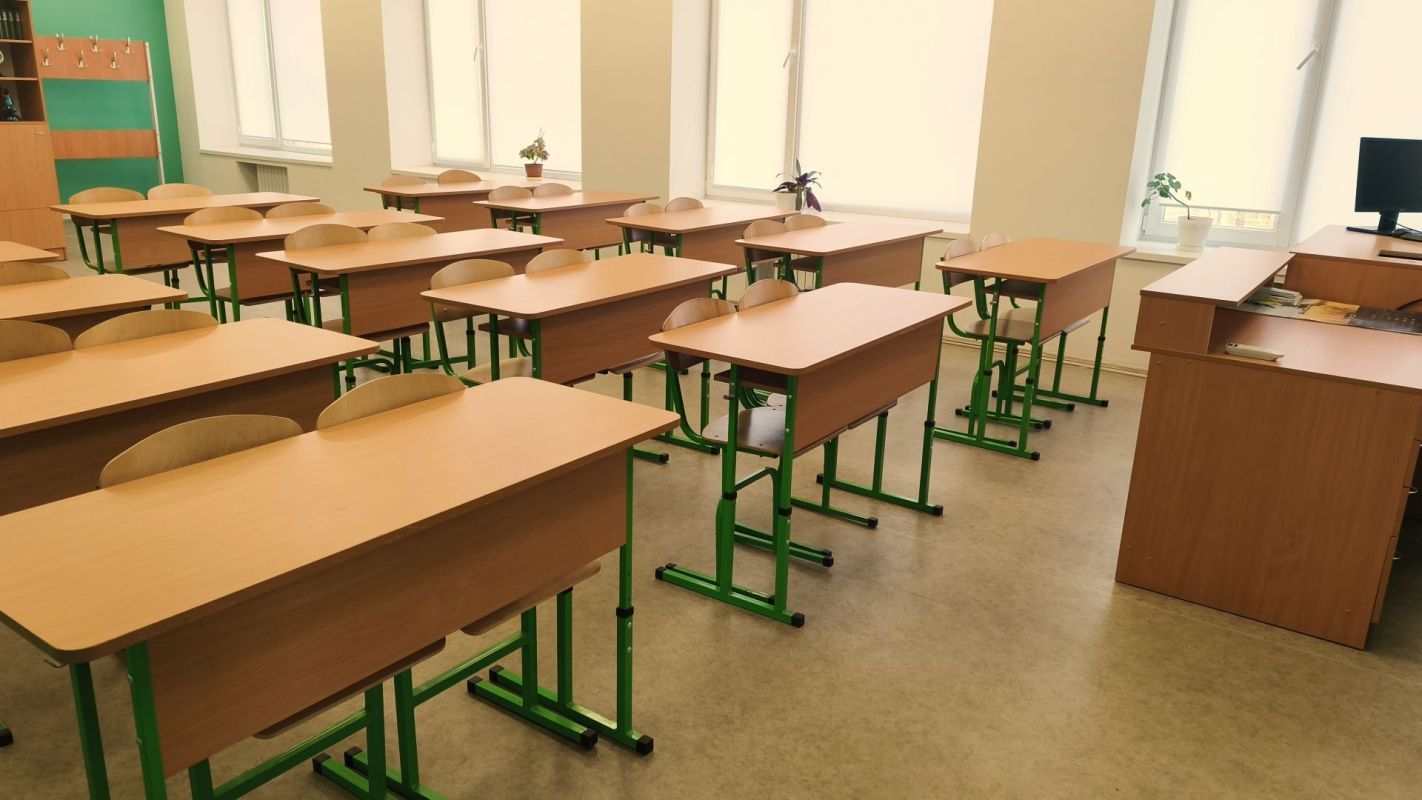
When a first-grade classroom reached 87 degrees, school leaders in California's Goleta Union School District were forced to confront a basic question: How hot is too hot for children to learn?
The discussion intensified after Noozhawk reported that Hollister Elementary School teacher Victoria Aguirre told district leaders her classroom had reached 87 degrees.
"That's just not acceptable for our kids to be working in," she said.
Here's what to know
One of the Board of Education's main concerns was how few air-conditioned space exists across the district. Many classrooms get through hot spells with fans because Superintendent Mary Kahn said the district's air conditioning is mostly limited to portable buildings.
"I know it's pretty standard that we all have one fan installed, and right now it is just circulating hot air," Aguirre said, per Noozhawk.
Board member Sholeh Jahangir said, "They shouldn't have to run around begging for a fan."
TCD Picks » Quince Spotlight
💡These best-sellers from Quince deliver affordable, sustainable luxury for all




The district has been taking classroom temperature readings. Matt Spencer, director of maintenance, operations, and transportation, said data collected during an August heat wave showed Ellwood Elementary School was the coolest campus, with temperatures topping out around 76 degrees, while Mountain View Elementary School was the warmest campus at about 82 degrees during the school day.
Board member Emily Zacarias raised a structural solution: starting the academic calendar only after Labor Day.
"It makes no sense to go back to school in the middle of August when it's so bloody hot," she said, according to Noozhawk, noting that September doesn't bring cooler temperatures.
More background
School officials said they expected temperatures to keep rising in the years ahead.
Assistant Superintendent of Pupil Services John Schettler said that the district follows National Weather Service advisories and encourages families to send students to school with water and sunscreen.
"Even with those things in place, we know that on days like today, the heat is impressive," Schettler said, as Noozhawk noted.
Parents have also stepped in during heat waves by lending extra fans, and the Brandon Elementary School PTA helped fund another shade structure.
What's being done?
Staff have identified cool relief spaces on campuses, and Assistant Superintendent of Fiscal Services Jordan Goines said pop-up shade structures can be put in place "rather quickly," Noozhawk reported.
Outdoor play has stopped during the hottest parts of the day, and playground supervisors use misters at recess and lunch. Leaders also plan to count classroom fans and deploy pop-up shade structures along with portable air-conditioning units at certain campuses.
Temporary fixes are not the only option under discussion, as district leaders are also looking at whether air conditioning should be expanded, per Noozhawk.
Kahn said staff are pricing out several approaches, from cooling the full district to concentrating on shared spaces such as libraries and multipurpose rooms. She estimated that districtwide air conditioning could cost as much as $60 million, though an estimate was pending.
Goines said the biggest obstacle was electrical capacity, Noozhawk noted.
"We want tangible steps. We keep tabling it when it gets cool, and this issue is not going away." Zacarias said, according to the outlet.
Where can I learn more?
Across the U.S. and beyond, schools are grappling with overheated classrooms, schedule changes, emergency heat planning, and the rising cost of keeping students cool.
• Dangerous classroom heat is making it harder for children to learn.
• In northern districts, schools without air conditioning are facing miserable classrooms and steep cooling costs.
• In India, officials shut schools during summer as another severe heat spell threatened students.
• Cities and school systems are rehearsing for deadly heat waves before emergencies strike.

Get TCD's free newsletters for easy tips, smart advice, and a chance to earn $5,000 toward home upgrades. To see more stories like this one, change your Google preferences here.






