


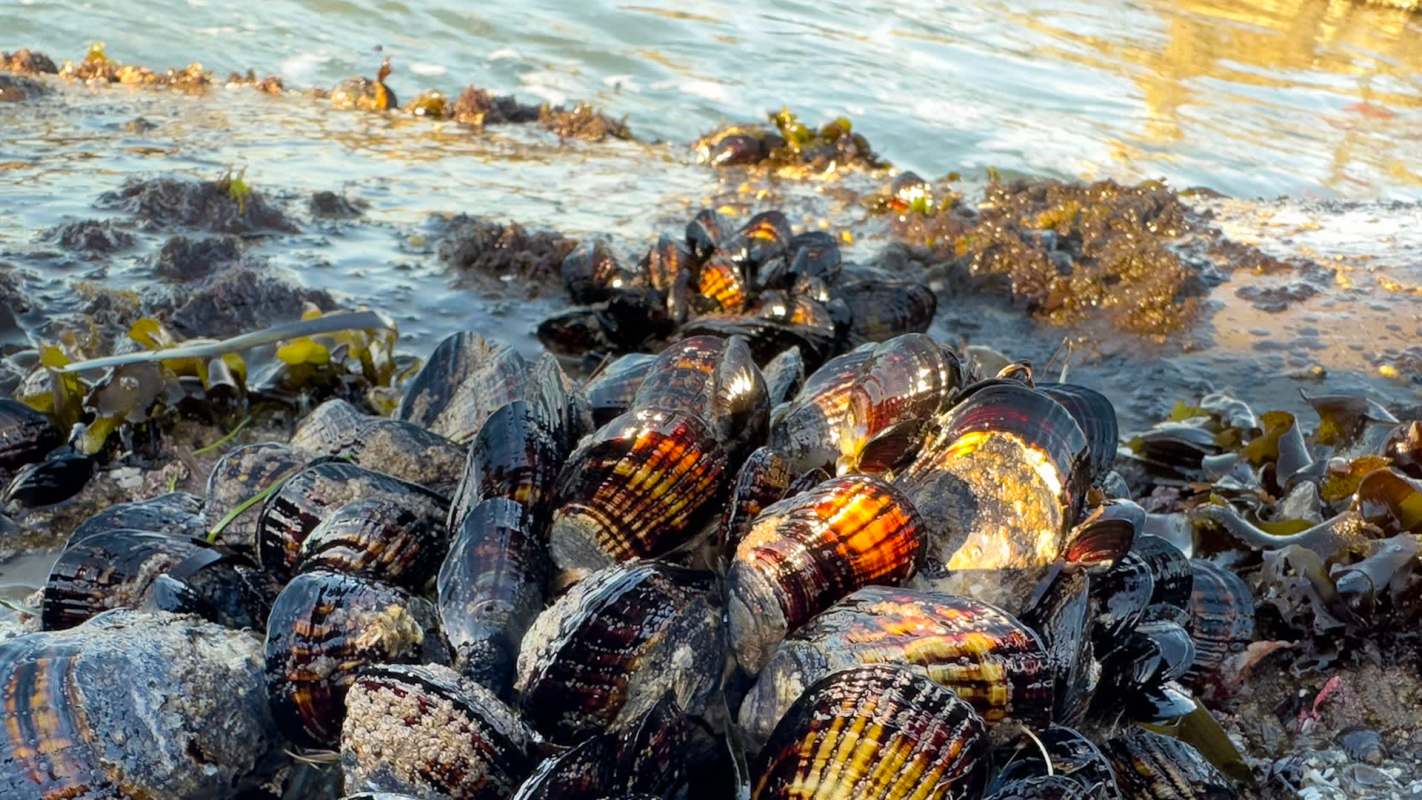
An invasive species warning is hanging over Lake Tahoe's clear water.
Conservation advocates told the San Francisco Chronicle that golden mussels could speed the lake's shift toward greener, murkier conditions and make the "Jewel of the Sierra" much harder to protect.
What happened?
On May 31, inspectors stopped a boat bound for Tahoe after finding four golden mussels attached underneath it. The vessel had recently been in waterways near Sacramento.
Golden mussels can spread easily because they are able to survive for days out of the water, reproduce quickly, and cling to boats, trailers, paddles, and fishing gear.
Laura Patten, the natural resource director of Keep Tahoe Blue, told the Chronicle, "There is no greater threat today to Tahoe's iconic water quality than the golden mussel."
She added that if it becomes established, it could "exponentially accelerate the lake's slow shift from blue to green."
TCD Picks » Quince Spotlight
💡These best-sellers from Quince deliver affordable, sustainable luxury for all




Since being discovered in the Sacramento-San Joaquin Delta in October 2024, the mussels have spread rapidly throughout California.
As the Chronicle noted, that makes a decision to end mandatory inspections for golden mussels at Lake Oroville (a key reservoir and popular boat launching site, per CalMatters) all the more concerning.
Why does it matter?
The consequences would reach well beyond a single scenic lake. Golden mussels can clog drinking water and hydropower systems, damage irrigation infrastructure, foul boat ramps and marinas, and displace native species.
That can cause environmental harm and increase costs for communities that rely on tourism, outdoor recreation, and clean water.
Tahoe's high water quality supports local jobs and provides residents and visitors with opportunities for recreation.
Officials from the California Department of Fish and Wildlife have said that if the mussels take hold there, eradication would be "virtually impossible."
Because California's water system is so interconnected, an uncontrolled infestation could affect reservoirs, agriculture, fisheries, and local economies far beyond the Sierra.
Lake Tahoe already requires inspections and decontaminations for watercraft, and waterways. Lake Berryessa, Folsom Lake, and New Melones Dam have also strengthened their rules.
Inconsistent statewide standards could leave all those protections vulnerable, since a single weak point can put other waterways at risk.
What are people saying?
"We should be using strong deterrent programs like Lake Tahoe's as a standard requirement, not an option on a menu, when our water in California is at risk," Patten said.
She added, "A patchwork approach leaves lakes, rivers, reservoirs, infrastructure, and local economies vulnerable."

Get TCD's free newsletters for easy tips, smart advice, and a chance to earn $5,000 toward home upgrades. To see more stories like this one, change your Google preferences here.






