A pilot project in Germany is testing a cleaner way to tackle one of the energy transition's toughest challenges: securing the lithium needed for electric vehicle batteries without carving massive open-pit mines into the landscape.
Here's what to know
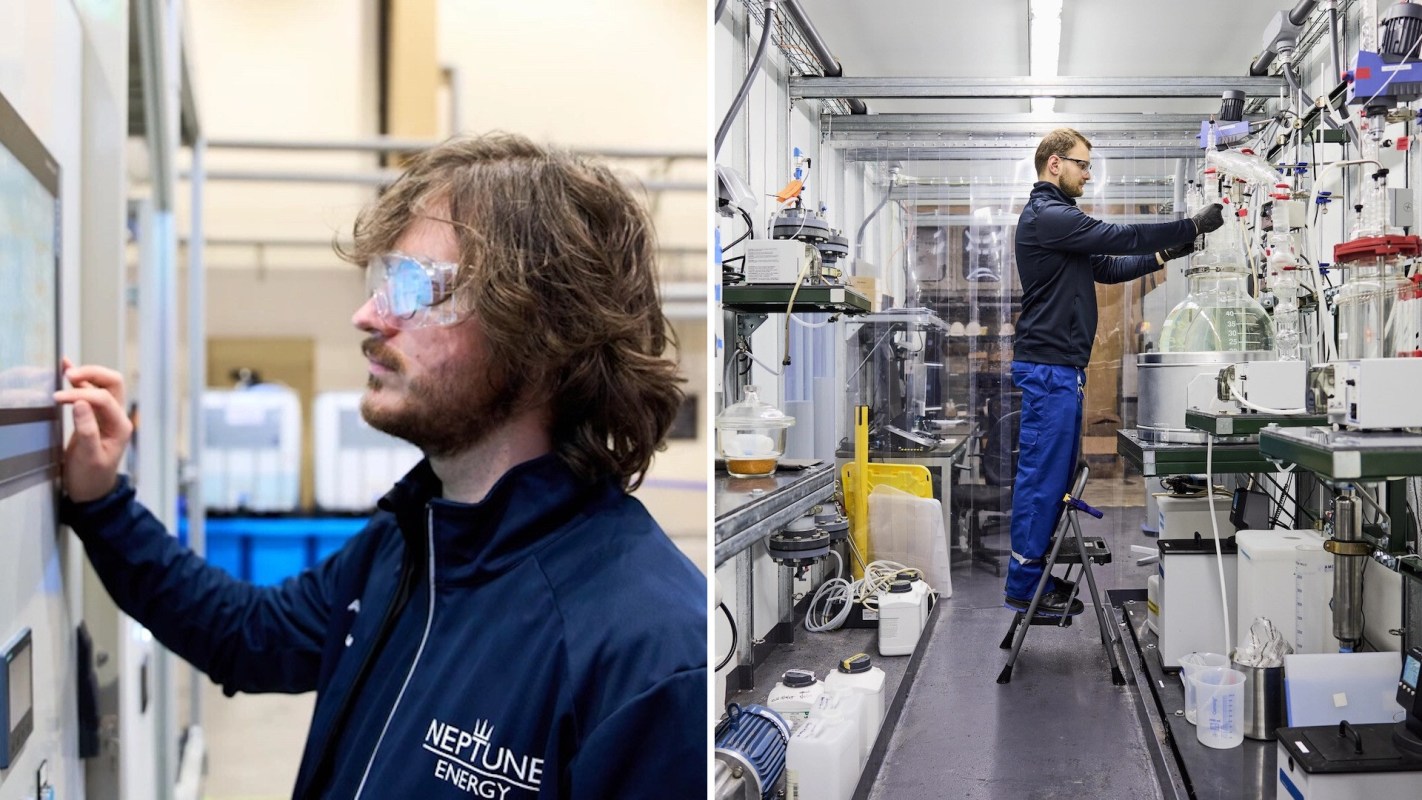
Working with Fraunhofer IEG, Neptune Energy has entered the second phase of pilot testing at Altmark. According to ThinkGeoEnergy, this stage aims to improve the adsorption process and to compare several adsorbent materials for direct lithium extraction.
As reported by ThinkGeoEnergy, the work follows 2024 permits covering both lithium and geothermal energy in Altmark. Most of that permitted area overlaps an existing natural gas field, giving the project access to previously collected information on geothermal conditions and lithium concentrations.
By 2030, Neptune wants to produce 25,000 tons of lithium carbonate equivalent, or LCE, each year — a volume the company says would supply about 500,000 electric vehicles annually. It also says the Altmark area contains 43 million tons of proven LCE, making it one of the world's largest lithium resources.
In pilot phase I during 2025, Neptune evaluated direct lithium extraction technologies available globally. Joachim Sluet, Midstream Manager at Neptune Energy, said adsorption technology emerged as the best match for conditions in Altmark.
More background
The project stands out as lithium demand is expected to keep rising as automakers ramp up EV production and battery factories expand. At the same time, companies face growing pressure to secure these materials with less disruption to the land, less waste, and fewer environmental harms than conventional mining typically brings.
TCD Picks » Quince Spotlight
💡These best-sellers from Quince deliver affordable, sustainable luxury for all




Instead of extracting rock from an open-pit mine, this method targets lithium already dissolved in hot water deep underground. As described by ThinkGeoEnergy, adsorbent materials selectively capture lithium ions, producing lithium chloride that can then be refined into battery-grade lithium carbonate or lithium hydroxide monohydrate.
If the method works at scale, it would help Europe build a more localized battery supply chain. That could reduce dependence on imported materials, strengthen manufacturing resilience, and directly help many EV manufacturers source supplies. It could help stabilize costs for automakers, battery makers, and drivers shopping for cleaner vehicles.
What's being done?
Neptune plans to evaluate multiple adsorbent materials in a series of pilot tests. The pilot plant, developed with Fraunhofer IEG, can handle up to 264 gallons (1,000 liters) of thermal water per day and is configured to extract lithium without oxygen.
For the first testing stage, Evonik Catalysts was selected to provide the adsorbent material after preliminary trials showed it was stable and efficient, as reported by ThinkGeoEnergy. The company will also provide on-site application and process expertise, which could help Neptune move faster ahead of any commercial expansion.
A domestic supply of battery materials could support cleaner industrial development, more affordable access to EVs and battery storage, and reduce European cities' and companies' exposure to global supply shocks.
The pilot is intended to show whether lithium and geothermal heat can be produced efficiently enough to compete with conventional supply. Neptune's next steps are focused on answering that question before its 2030 production target.
If the technology succeeds, Altmark could become an example of how the push for cleaner transportation need not entail the large-scale land disruption commonly associated with obtaining the materials required.

Get TCD's free newsletters for easy tips, smart advice, and a chance to earn $5,000 toward home upgrades. To see more stories like this one, change your Google preferences here.