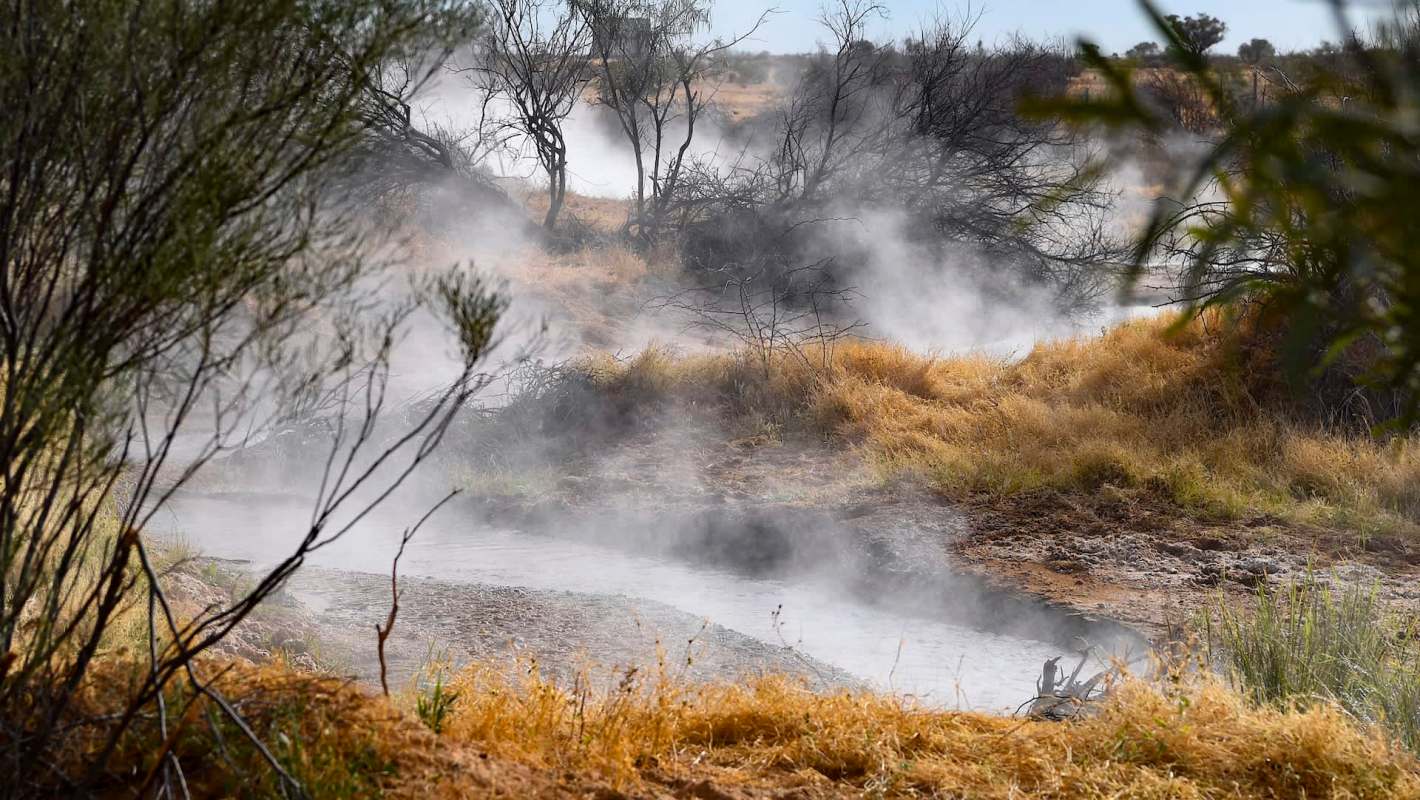
Australia's underground heat is gaining traction after researchers said tapping just 1% of the country's "superhot rocks" could deliver the equivalent of 20 times the nation's annual electricity use.
That eye-popping estimate is fueling renewed interest in geothermal as a 24/7 clean energy source that does not depend on sunshine, wind, or massive batteries.
Instead of relying solely on volcanic hotspots, newer drilling methods can reach much deeper rock formations that sit above 650 degrees Fahrenheit, reported Renew Economy.
Australia may not be famous for geysers, but it does have large regions where these superhot rocks appear to be reachable at roughly 4 to 8 kilometers underground.
Preliminary estimates by the Clean Air Task Force indicate that even a tiny fraction of that heat tapped could unlock an enormous supply of always-on electricity.
The finding turns the old geothermal script on its head. Instead of being limited to places with volcanoes, next-generation systems could work in several Australian regions — including Victoria, Tasmania, Queensland, New South Wales, and Western Australia.
TCD Picks » EDF Spotlight
💡EDF's Vital Signs newsletter delivers stories about game-changing solutions close to home and around the world
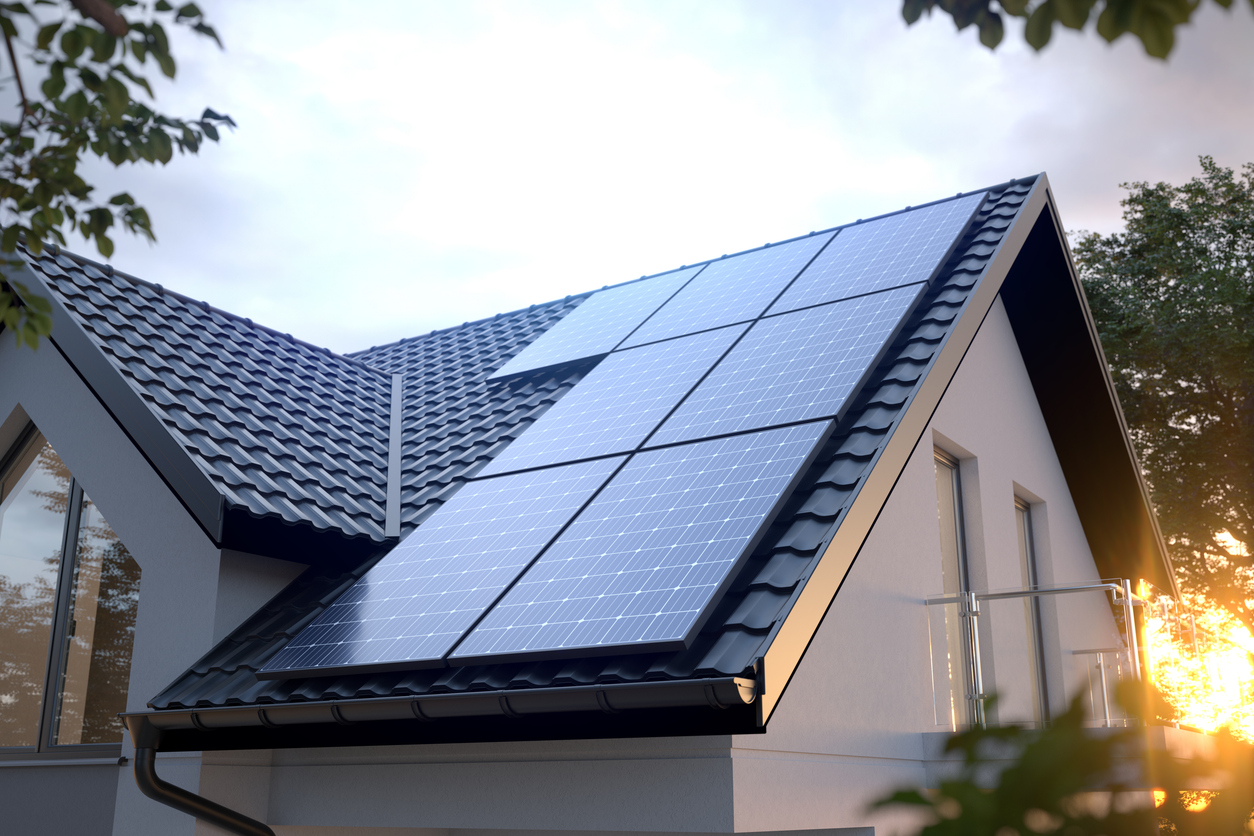
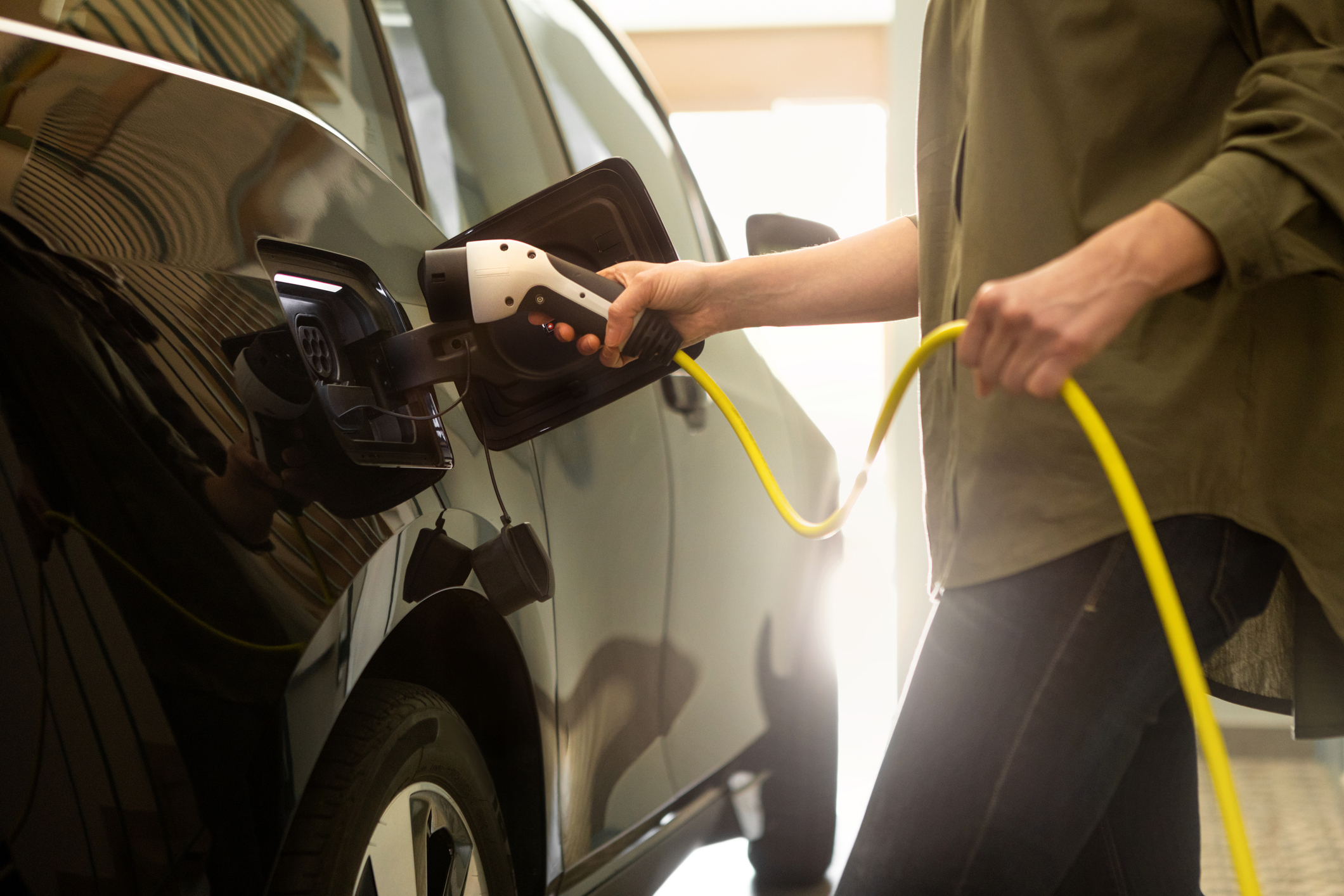

More reliable clean power could help stabilize the grid, support homes and businesses around the clock, and reduce dependence on polluting fuels that can worsen air quality and drive up costs.
Superhot geothermal could also help power industry, transport, hydrogen production, data centers, and minerals processing without the weather-related ups and downs seen with some other energy sources.
Australia's mining industry provides deep subsurface know-how, advanced geoscience expertise, and strong engineering and technical capacity, which could help create jobs and ease the transition for workers leaving fossil fuel industries.
Energy researchers are increasingly optimistic. The International Energy Agency has said that next-generation geothermal could play a major role in clean power if the industry continues to bring down costs.
TCD Picks » EDF Spotlight
💡EDF's Vital Signs newsletter delivers stories about game-changing solutions close to home and around the world
Other estimates are even larger. U.S. researchers have suggested geothermal might generate up to triple the electricity of nuclear within 25 years.
Reviews from ARENA, the Australian Geothermal Association, and Geoscience Australia point to strong geothermal potential, while recent advances in the U.S., China, and Germany suggest some of the hardest technical problems may be easing.

Get TCD's free newsletters for easy tips, smart advice, and a chance to earn $5,000 toward home upgrades. To see more stories like this one, change your Google preferences here.
Cool Picks