


General Motors says the next major breakthrough for electric vehicles may not come from solid-state batteries after all.
Instead, as InsideEVs reported, the automaker is renewing its focus on silicon anodes, a more near-term battery upgrade that could help EVs travel farther and charge much faster.
What happened?
At the GM Empower event in San Francisco last week, Kurt Kelty, the company's vice president of battery and sustainability, laid out to the publication where GM sees EV battery development going.
"We believe silicon is the next anode technology," Kelty told InsideEVs.
Solid-state EV batteries have drawn years of hype even though many automakers do not expect mass commercialization until later this decade.
Silicon anodes, by comparison, appear much closer to widespread use, as InsideEVs noted.
TCD Picks » Quince Spotlight
💡These best-sellers from Quince deliver affordable, sustainable luxury for all




"What you're going to see in the short- to mid-term is silicon anodes being deployed in greater percentages," Kelty told the publication.
Graphite still dominates most anodes, a dependency that raises mining concerns and leaves the supply chain heavily centered in China.
For that reason, battery makers are trying to substitute silicon for graphite. Doing so could improve energy density and charging speeds while keeping architecture closer to today's lithium-ion battery setups.
Why does it matter?
The potential upside is longer driving range, shorter charging stops, and fewer trade-offs on road trips or during busy daily routines.
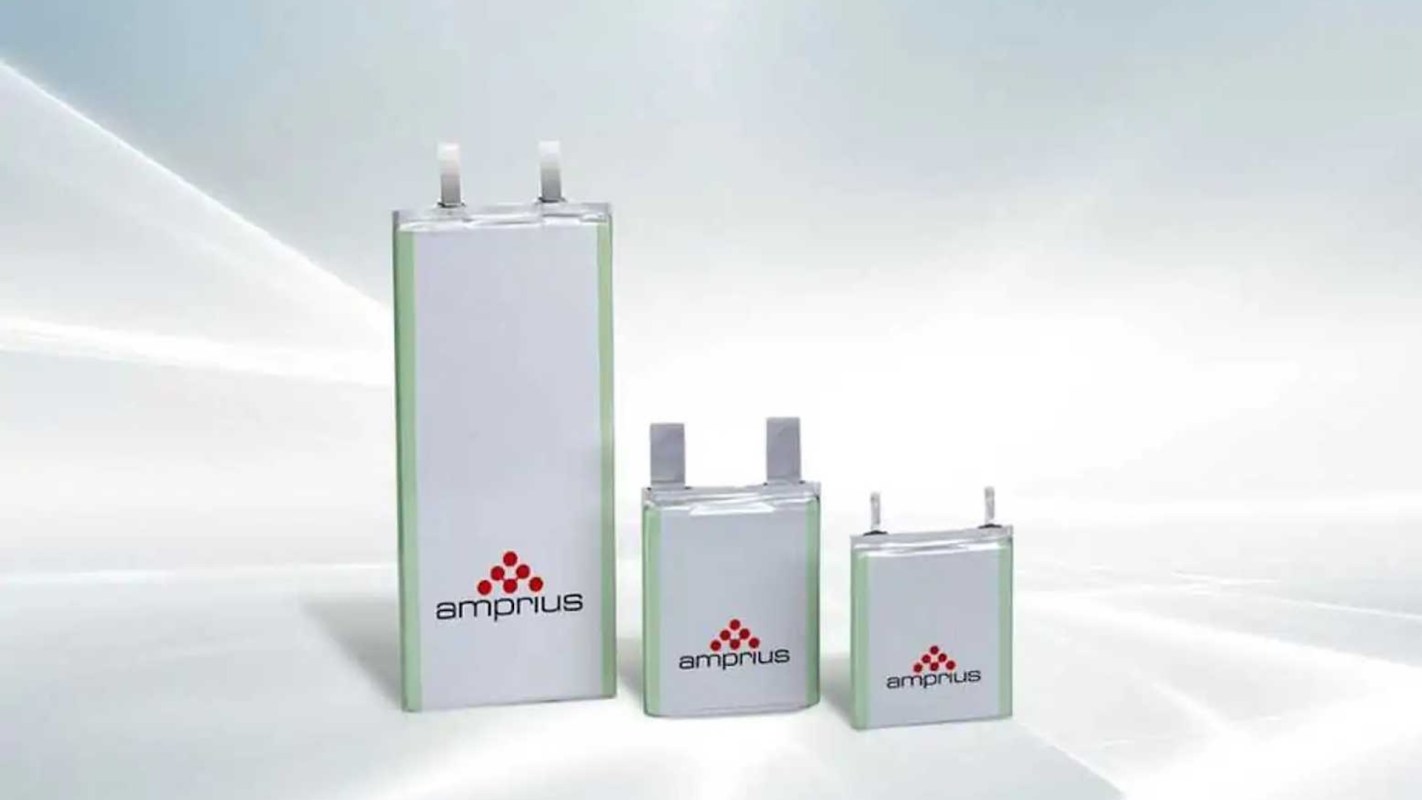
As Inside EVs noted, Sila says its high-silicon anodes can increase range by 20% without making the battery pack larger. Similarly, California startup Amprius Technologies says an EV with a standard 310-mile pack could stretch to 574 miles with its silicon anode battery.
Faster charging means less time spent waiting at public charging stations. Longer range could reduce the need for "just in case" charging, help delivery fleets stay on the road longer, and make EVs more appealing to drivers who cannot charge at home every night.
InsideEVs noted Mercedes-Benz has already introduced silicon anodes in the new AMG GT, and the company says the car can go from a 10% to 80% charge in only 11 minutes at peak rate.
There is also a broader supply-chain and cost factor at play.
Manufacturing is beginning to scale as well. Group14 is making silicon-anode battery materials at a facility in South Korea, while Sila says its Moses Lake, Washington, plant is already running with initial capacity for up to 50,000 EVs per year and has room for major expansion if demand rises.
If production scales, these battery improvements could move beyond luxury and performance vehicles and into more affordable EV models.
What are people saying?
In the interview with InsideEVs, Kelty revealed the company was open to all possibilities on battery tech.
While he said "we're definitely deep on silicon," he also noted the company was working on solid-state prototypes and conceded that "we need to know what the latest and greatest is."
The open-endedness led to some cynicism by commenters.
"Another week, another Mary Miracle Battery," one user said.

Get TCD's free newsletters for easy tips, smart advice, and a chance to earn $5,000 toward home upgrades. To see more stories like this one, change your Google preferences here.






