


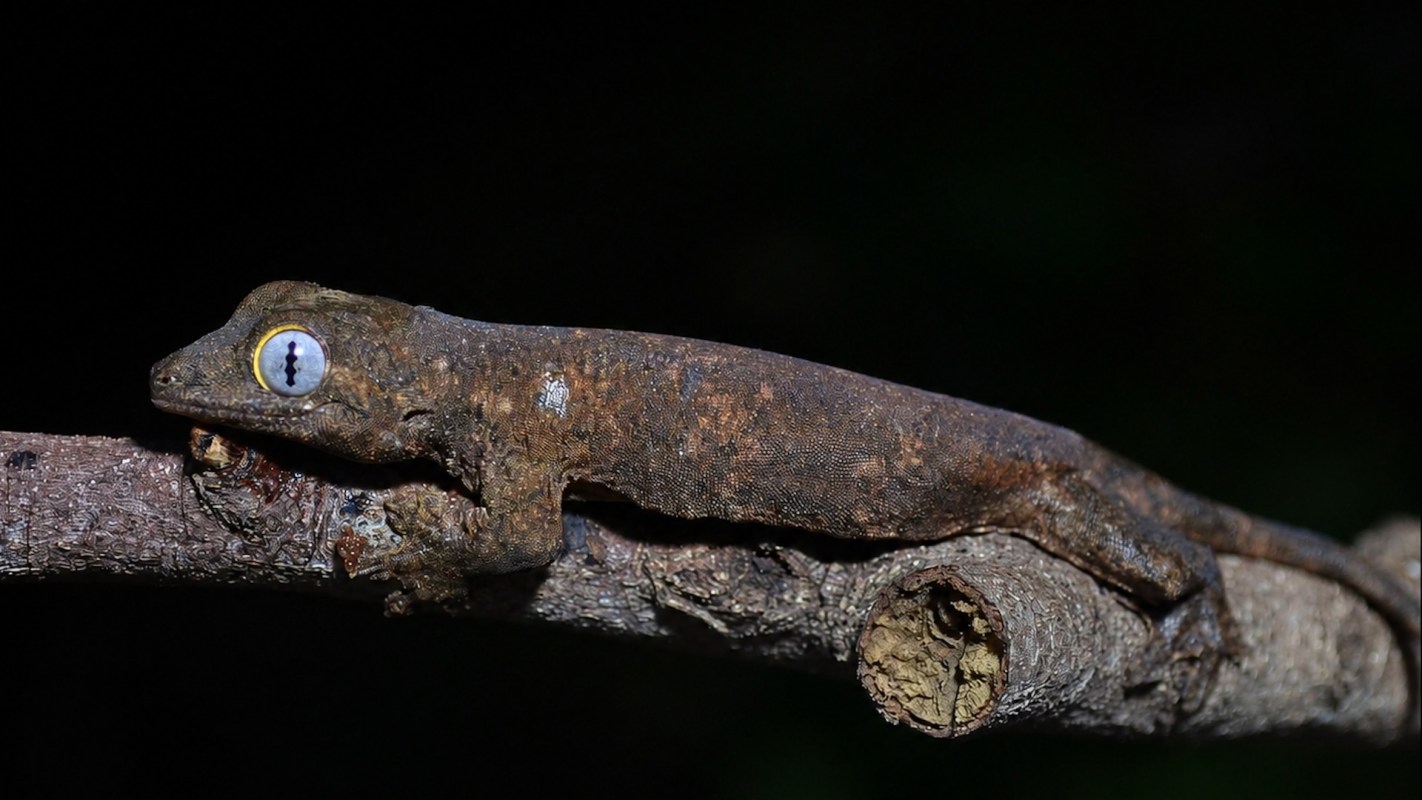
A newly identified gecko on a small Philippine island is offering scientists and conservationists a reminder that some of the planet's most important wildlife may still be hiding in shrinking forests.
What happened?
Scientists have confirmed that Sibuyan Island in Romblon, Philippines, is home to a gecko species found nowhere else, the Department of Environment and Natural Resources Mimaropa said, according to The Inquirer.
Published in the peer-reviewed journal PeerJ, the species description concludes that the fringed forest gecko is a distinct evolutionary lineage based on morphological and molecular evidence gathered by researchers Camila G. Meneses and Rafe M. Brown.
The species honors the late Filipino taxonomist and ecologist Dr. James D. V. Alvarez, recognizing his contributions to Philippine biodiversity research and conservation.
Researchers based the discovery on specimens collected in Sibuyan's forests, on an island that includes Mount Guiting-Guiting Natural Park, a protected area regarded as one of the country's most biologically important.
Sibuyan's long isolation and large number of unique plants and animals are why it is often called the "Galápagos of Asia," The Inquirer reported.
TCD Picks » Quince Spotlight
💡These best-sellers from Quince deliver affordable, sustainable luxury for all




DENR Mimaropa said the recent discoveries of Platymantis guiting and Luperosaurus alvarezi suggest the island still contains species not yet described by science.
Why does it matter?
When a species exists in only one place, its future can change quickly if that habitat is damaged.
That is especially true for forest wildlife on islands, where logging, land conversion, and infrastructure development can shrink already limited ranges even further.
Conserving places like Sibuyan can also strengthen ecotourism and scientific research opportunities that create lasting value without exhausting natural resources.
The Philippines is counted among the world's megadiverse countries, The Inquirer noted.
What's being done?
Researchers said the find points to a need for stronger conservation across the Romblon Island Group.
Even within a protected landscape, Sibuyan's forest ecosystems still face illegal logging, habitat degradation, and other human-driven pressures, The Inquirer noted.
DENR Mimaropa said ongoing biodiversity surveys, scientific studies, and joint conservation efforts are critical to protecting the country's natural heritage.
The agency also credited a broad group — Filipino and international scientists, protected area managers, local government units, Indigenous Peoples, local communities, academic institutions, and conservation partners — with helping make the discovery possible.
DENR Mimaropa said the find "further strengthens Sibuyan Island's status as one of the Philippines' premier biodiversity strongholds" and "underscores the need to protect its remaining forests."

Get TCD's free newsletters for easy tips, smart advice, and a chance to earn $5,000 toward home upgrades. To see more stories like this one, change your Google preferences here.






