


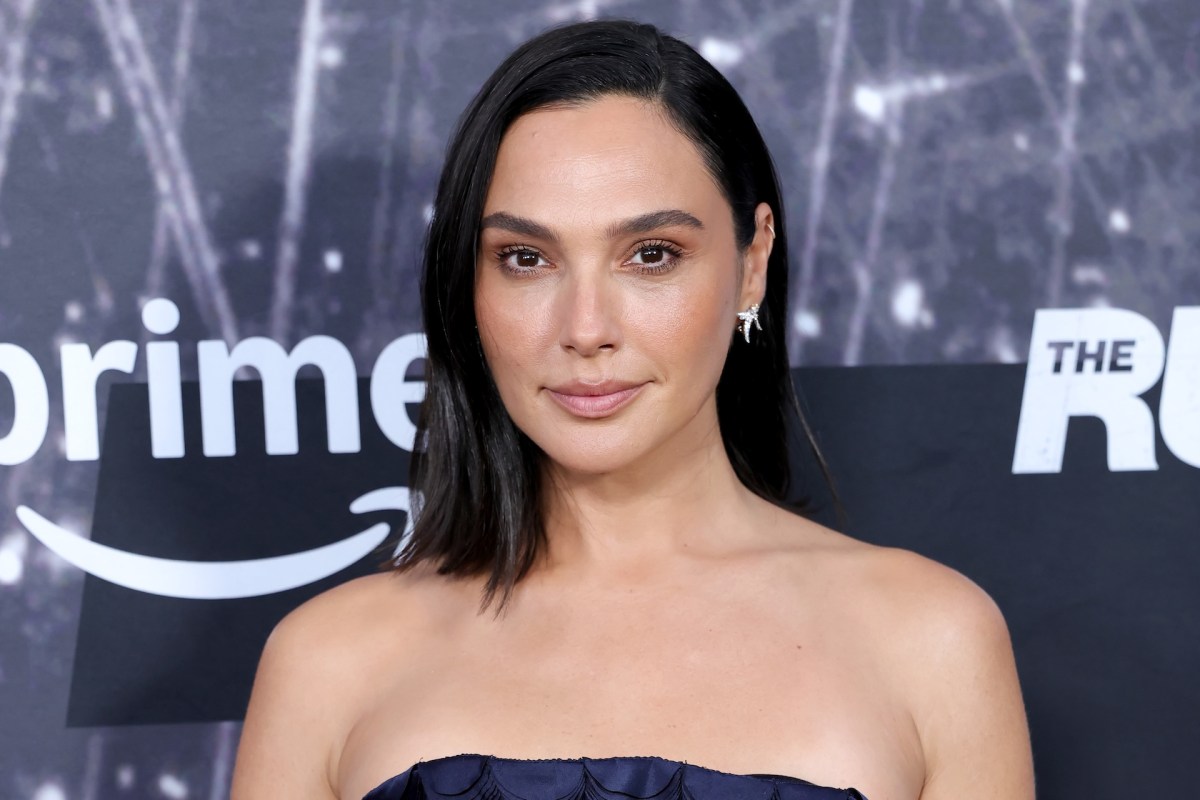
Gal Gadot is responding to criticism of her movie "Bitcoin," which used AI to create sets and lighting instead of relying on traditional production design.
In an interview, Gadot argued that her performance remained fully human even as the film's heavy use of AI feeds into a wider debate about job losses, energy use, and the future of entertainment technology.
Here's what to know
Speaking with host Josh Horowitz on the "Happy Sad Confused" podcast, Gadot discussed the backlash tied to "Bitcoin," Variety reported.
Doug Liman directed the movie, which features Gadot alongside actors Casey Affleck, Pete Davidson, and Isla Fisher. The actors performed in a largely empty filming environment, with AI later used to supply the sets and lighting.
According to producer Ryan Kavanaugh, the $70 million movie saved more than $200 million by relying on AI for those visual components.
Emphasizing that the technology was kept separate from her acting, Gadot said, "I did not want AI to have anything to do with my performance. We had to protect that, to such an extent that SAG called my lawyers to ask for pointers to update the SAG contract to protect other actors. As far as the performances, it's all me."
TCD Picks » Quince Spotlight
💡These best-sellers from Quince deliver affordable, sustainable luxury for all




She said the setup also changed the rhythm of production, allowing scenes to continue for extended periods without the usual breaks to relight the set.
"It felt like a pure art form of creating a movie," she said.
More background
The comments come at a time when AI in entertainment remains one of the industry's most sensitive issues. Actors, writers, and crew members have raised concerns that AI tools could be used to replace creative work, replicate performances, or eliminate jobs behind the scenes.
Gadot acknowledged that concern directly, saying, "I am afraid of AI, but I am going to be afraid and look away? No."
AI systems rely on energy-intensive data centers, which can put added pressure on the power grid and require significant amounts of water for cooling. If that electricity comes from fossil fuels, emissions can rise. If utilities pass those costs along, households can feel the effects through higher energy bills. Meanwhile, excessive water use can deplete supplies of a crucial resource for local communities.
However, AI can also be used to forecast energy demand, improve grid management, and support renewable power systems when deployed carefully.
What's being done?
Gadot said her lawyers spent six months examining potential AI-related situations, and she said the resulting protections were robust enough that SAG later asked for help informing future contract language.
That reflects a push across Hollywood to establish firmer guardrails around digital likeness, consent, and compensation. Studios and producers are also under pressure to be more transparent about where and when AI is being used.
"The train has left the station," Gadot said. "You're going to work with it or be out of the game completely."
Where can I learn more?
The backlash against "Bitcoin" shows how film industry employees are growing increasingly concerned that the technology could lead to job losses. Meanwhile, film lovers are worried that AI can result in an absence of human creativity.
• Reese Witherspoon faced backlash over AI after remarks sharpened celebrity tensions around the technology.
• Across the U.S., backlash against AI has grown over jobs, water, electricity, and security.
Questions about consent, labor, and infrastructure are now shadowing AI as it spreads across entertainment.

Get TCD's free newsletters for easy tips, smart advice, and a chance to earn $5,000 toward home upgrades. To see more stories like this one, change your Google preferences here.






