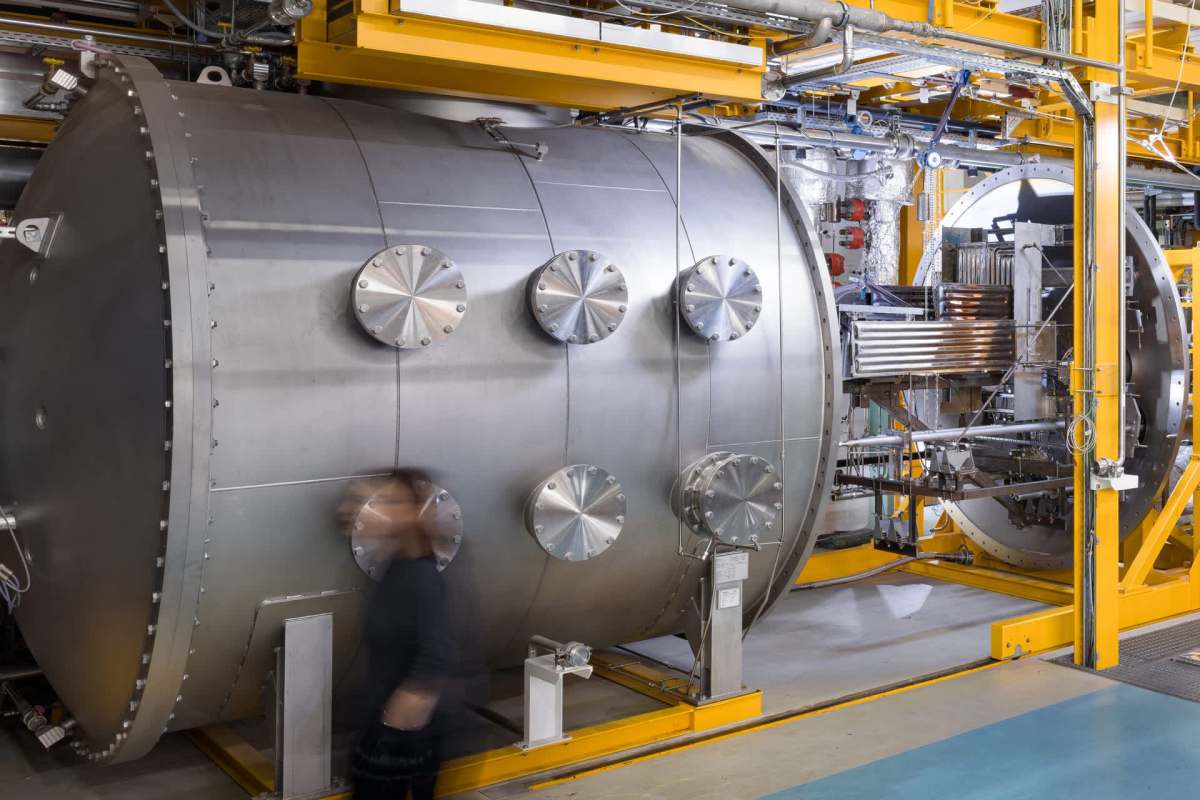
Scientists are taking a step toward developing a nearly limitless power source.
As Interesting Engineering detailed, researchers at the Karlsruhe Institute of Technology in Germany designed materials that can withstand conditions in the innermost chamber of future fusion reactors.
The team collaborated with laser-fusion company Focused Energy on the project.
The goal was to design more durable materials for the first wall of fusion reactors. That's the part of the reactor that holds plasma and protects the rest of the device from conditions formed by the plasma.
Fusion occurs naturally in the sun and stars. It happens when two nuclei combine to create a new nucleus. The process releases energy and is a potentially unlimited source of power.
On Earth, plasma is central to nuclear fusion. For decades, scientists have been trying to harness the power produced by the reaction, working to create the perfect conditions for plasma.
TCD Picks » Good Store Spotlight
Get 10% off your next purchase with code TCD10




The team at KIT developed materials that can withstand extreme conditions created by plasma. To maintain its state of matter, the substance must be kept at a temperature of at least 150 million degrees Celsius (450 million Fahrenheit), as EUROfusion noted.
The researchers used oxide-dispersion-strengthened steels and copper alloys, nanostructured tungsten, and emerging high-entropy alloys to develop durable materials for the first wall.
They said the materials can resist thermal loads, radiation damage, and mechanical stress better than typically used metals.
"We want to demonstrate that the materials not only perform well in the lab but also remain stable under real operational loads," said team lead Dr. Carsten Bonnekoh in a press release, via Interesting Engineering.
TCD Picks » Quince Spotlight
💡These best-sellers from Quince deliver affordable, sustainable luxury for all




|
Should we be pouring money into nuclear fusion technology? Click your choice to see results and speak your mind. |
 Yes — it'll pay off 👍
 "This will lay the foundation for using today's experimental materials in actual power plant components in the future."
While fusion researchers boast about its nearly limitless power, there are drawbacks to the push to harness it. Because it's a relatively new pursuit, infrastructure doesn't currently support the production of fusion energy or its research.
That means facilities must be built using polluting energy sources, including coal, gas, and oil. Site preparation and construction often create a large carbon footprint, per The Bulletin of the Atomic Scientists.
Despite obstacles in harnessing the power of fusion energy, the push to utilize it to its fullest potential continues.
Scientists with KIT will run further tests, not only to ensure their findings are correct, but also to test the limits of the materials they developed. Only with more research will we know if fusion energy is a viable alternative to current energy sources.

Get TCD's free newsletters for easy tips to save more, waste less, and make smarter choices — and earn up to $5,000 toward clean upgrades in TCD's exclusive Rewards Club.