


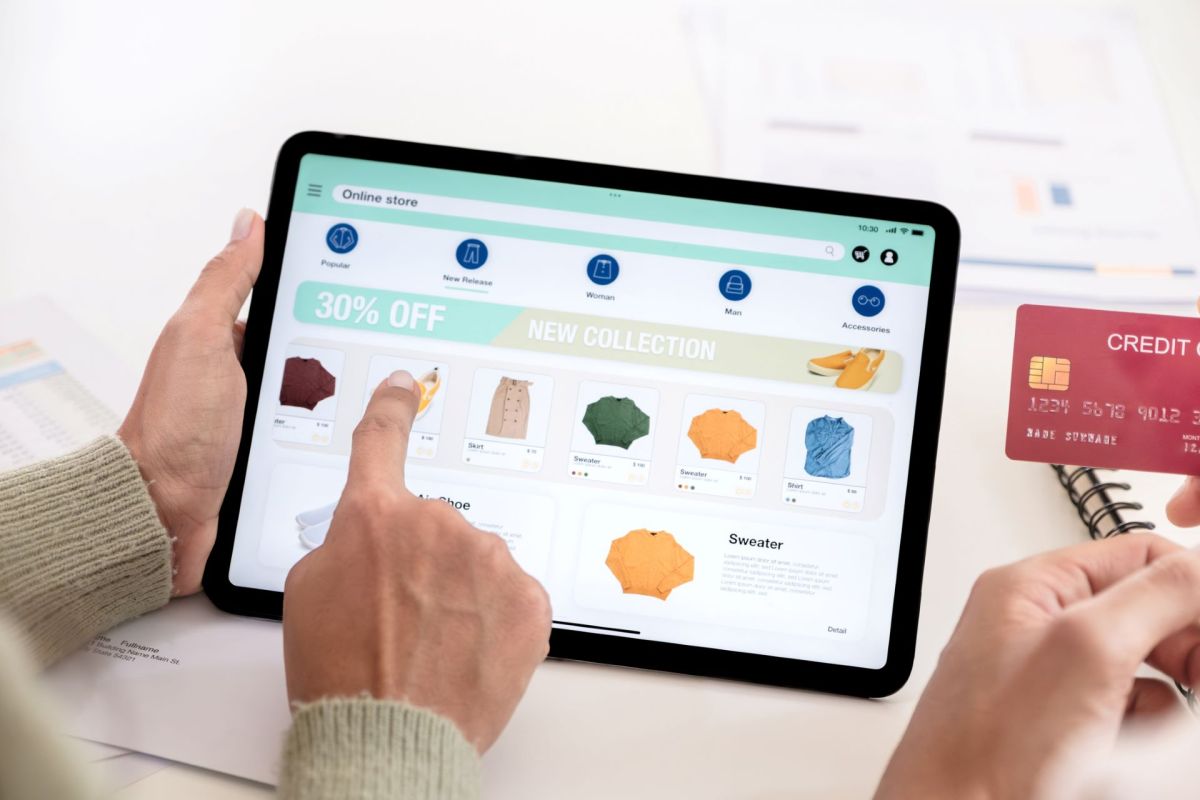
The use of personal data in everyday pricing decisions has raised the troubling possibility that companies have been using customers' browsing histories to predict how much each person would be willing to spend on a given product or service.
Concerns over this practice, including its impact on both shoppers' bills and gig workers' earnings, have prompted a Federal Trade Commission investigation that has sought records from nine major companies.
Here's what to know
Citing concerns over individualized pricing strategies, the FTC sent document requests to Walmart, Target, Instacart, DoorDash, Uber, Lyft, JetBlue, United, and Delta, according to Gizmodo. Alongside consumer prices, the inquiry also covered compensation for gig workers. The companies had 45 days to respond.
By analyzing large volumes of customer information, artificial intelligence can make high-tech guesses about the maximum price that a particular person would be willing to pay. Using customer data to set such individualized prices has commonly been referred to as "surveillance pricing," though the FTC has referred to the practice as "personalized pricing."
According to Gizmodo, media reports have already accused a number of companies of engaging in surveillance pricing. In response, those companies have either denied the practice or described their efforts as "pricing experiments."
The impact on workers' pay
The FTC probe also has been looking into whether companies have used similar strategies when setting gig worker compensation. When it comes to workers, rather than predicting the maximum price a customer would pay, the same technology can be used to calculate how little a worker might be willing to accept.
TCD Picks » Quince Spotlight
💡These best-sellers from Quince deliver affordable, sustainable luxury for all




Lindsay Owens, president and CEO of Groundwork Collaborative and author of Gouged: The End of a Fair Price — and What That Means for Your Wallet, has pointed to Walmart's patents for surveillance pricing technology as evidence that the company either has engaged in such practices or has intentions of doing so in the future. The company has denied wanting to use that technology, per Gizmodo.
However, public records of Walmart's patents seemed to suggest otherwise. One patent held by the company described using digital shelf labels to change prices for an individual shopper.
As Owens told Gizmodo, "The example they give is tuna and mayonnaise. Once you have the tuna, they can change the price of mayonnaise."
Andrew N. Ferguson, chairman of the FTC, emphasized the importance of transparency as the agency continued to investigate.
"Consumers deserve to know whether companies use their web surfing habits or other personal data to estimate the highest price they can charge each consumer," Ferguson said in a press release. "Workers also deserve to know if their compensation is affected by how companies use their personal data."
Where can I learn more?
Concerns about personalized pricing have reached everywhere, from grocery aisles to ride-hailing apps.
• A U.S. Senate hearing raised concerns that digital grocery tags could enable personalized prices.
• Walmart's pricing technology patents have reignited concerns about shopping data influencing what customers pay.
• Uber denied personalizing fares, but its New York app said personal data may set prices.
• A Lowe's shopper spotted a $6 app premium on primer, raising questions about surveillance pricing.
• Seattle was nearing a ban on surveillance pricing, while Safeway warned deals could disappear.

Get TCD's free newsletters for easy tips, smart advice, and a chance to earn $5,000 toward home upgrades. To see more stories like this one, change your Google preferences here.






