


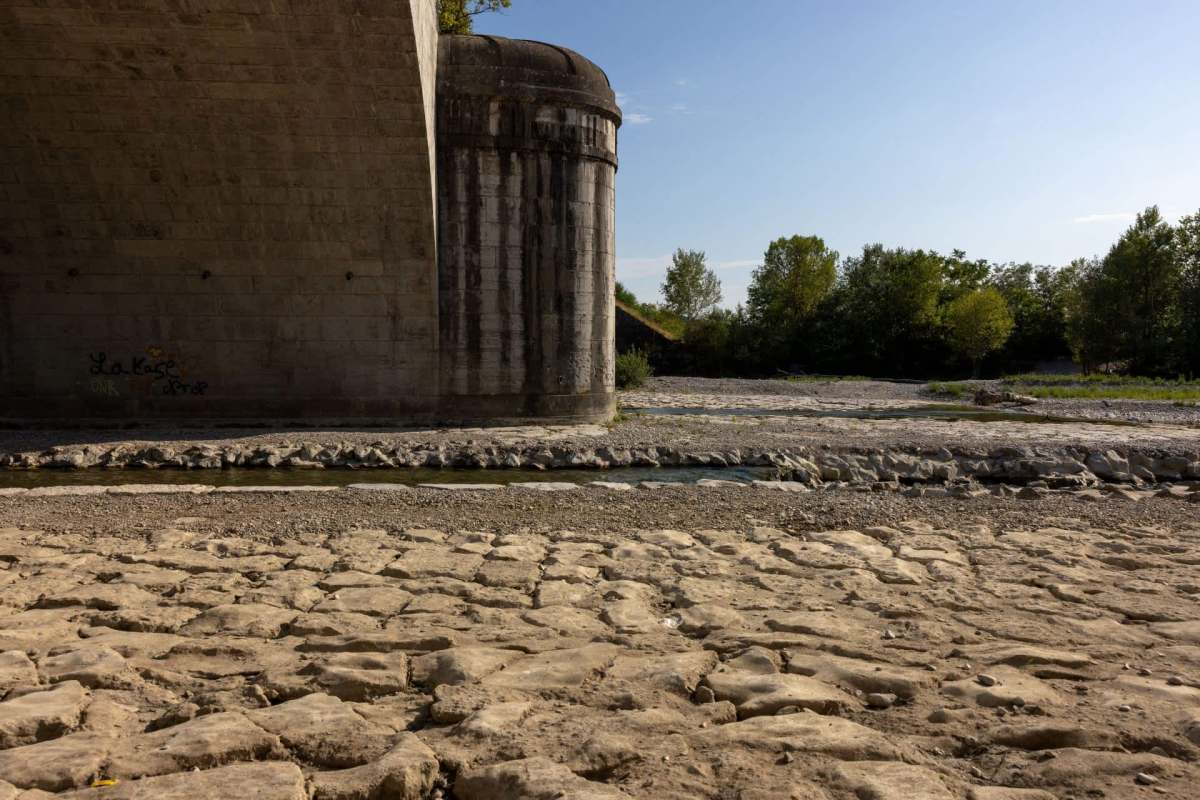
After months of extreme heat and worsening drought, French authorities have imposed water use limits across nearly 70% of the country.
According to Euronews, Ecology Minister Monique Barbut said more than 30,000 people have already experienced tap water cuts, and some communities are relying on tanker deliveries or bottled water.
What's happening?
Over the past three months, France has been battered by repeated heat waves, and the accompanying drought has helped drive record temperatures, major wildfires, and thousands of excess deaths.
As relayed by Euronews, the Ministry for Ecological Transition noted, "As France is experiencing a particularly severe drought, the effects of climate change continue to increase pressure on water resources."
By August 9, almost all of mainland France, including Paris, had reached at least the first warning stage for water use. Sixty-seven of the country's 101 departments were under the highest crisis alert. In that case, water is reserved for essential purposes like drinking water and sanitation.
Residents elsewhere are also facing limits on filling pools and irrigating crops.
TCD Picks » Quince Spotlight
💡These best-sellers from Quince deliver affordable, sustainable luxury for all




Euronews noted that July 2026 set a national heat record and was the country's third-driest July. Rainfall was down by nearly 70% nationwide.
Why is this concerning?
When heat waves and drought hit at the same time, they can threaten lives and disrupt communities. Drinking water shortages can affect public health for everyone and particularly for older adults, children, and people with existing health conditions.
Dry conditions also heighten wildfire risk and put added pressure on emergency services.
Groundwater is also under growing pressure. The country's Bureau of Geological and Mining Research said about two-thirds of the aquifers supplying most of France's drinking water are now below normal levels. As relayed by Euronews, the drop is especially steep this year "due to the shortfall in effective rainfall in July and the increase in water demand for various purposes."
Farmers may have less water available for crops. Tourism-heavy regions can see demand spike at the worst possible moment, and households may face stricter limits simply to make it through the hottest stretch of summer.
What's being done?
As another heat wave nears, French officials are intensifying their response. Barbut is preparing to convene a crisis meeting on the drought. The current alert system in the hardest-hit regions is already prioritizing the most essential water uses.
Météo-France expects temperatures in the southeast to reach as high as 35 degrees Celsius (95 degrees Fahrenheit) before the heat expands farther across the country. If conditions continue to deteriorate, local restrictions could stay in place or become even tighter.
Water is also becoming a more prominent political issue.
During a visit to Argelès-sur-Mer, France, Euronews reported that presidential candidate Gabriel Attal said he did not want to leave the topic "to the Greens and La France Insoumise" political parties. Another candidate, Jean-Luc Mélenchon, has proposed river-basin-based "eco-regions" intended to improve water management.

Get TCD's free newsletters for easy tips, smart advice, and a chance to earn $5,000 toward home upgrades. To see more stories like this one, change your Google preferences here.






