


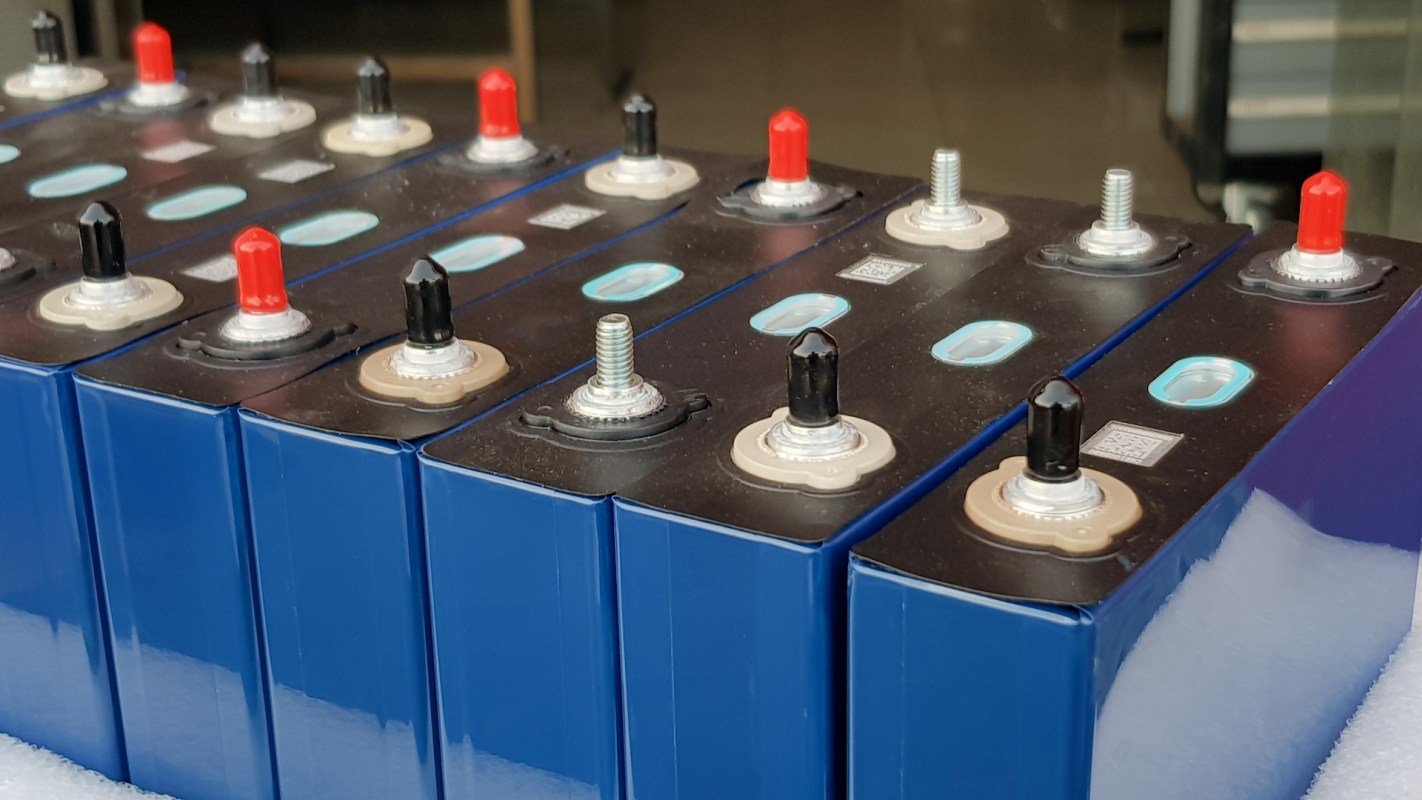
Fourth-generation lithium iron phosphate batteries could enhance the utility of one of the essential clean-energy tools. The large battery systems that store electricity for later use are key parts of the clean energy system, and any improvements to them will have rippling effects.
These newer LFP cells can hold more energy in the same amount of space, which could help utilities, companies, and communities build battery storage projects that are more compact and potentially more affordable.
Here's what to know
As Energy-Storage noted, LFP batteries have expanded their role in battery energy storage systems and electric vehicles largely because they are considered safer, longer-lasting, and less expensive than nickel manganese cobalt batteries. Fourth-generation versions now target one of LFP's main limitations: its lower energy density.
Rather than altering the lithium iron phosphate crystal itself, manufacturers are improving how tightly the material is packed into the electrodes.
What matters here is compaction density, which is the amount of material that can be packed into a given electrode volume. Fitting active material more tightly into that space allows battery makers to raise both gravimetric and volumetric energy density without changing to a different chemistry.
For battery storage developers, that can translate into more storage capacity per cell, per rack, or across an entire site. It could reduce the space required for the same amount of stored energy, a major benefit for crowded commercial sites, urban substations, and grid projects where footprint matters.
TCD Picks » Quince Spotlight
💡These best-sellers from Quince deliver affordable, sustainable luxury for all




More background
Compared with competing battery types, LFP has historically packed in less energy. That has been tied to lower material density and, as a result, lower compaction density, which has limited how much energy could be built into a system even while LFP remained attractive for its safety and durability.
Battery storage is an important piece of grid reliability. Improved battery energy storage system performance can help store more solar and wind power for use after sunset or during peak demand, reducing pressure on the grid and improving resilience during outages or extreme weather.
It could also help manage costs. If operators can fit more energy into the same footprint, they may reduce land use, installation complexity, or balance-of-system costs. Those savings could support cheaper and more flexible electricity service.
What's being done?
The latest LFP gains are coming from manufacturing improvements. In this case, the key advance is higher compaction density, which increases energy density while keeping the qualities that made LFP popular in the first place.
Large-scale storage projects often prioritize long lifetime, safety, and lower cost over the absolute highest energy density. If newer LFP cells can move closer to NMC on that metric, developers may have to make fewer compromises.
A more reliable grid, better use of clean electricity, and storage systems can help communities recover faster from power disruptions.
In short, fourth-generation LFP batteries are not a brand-new chemistry. They increase the amount of energy each cell can store while maintaining the safety, longevity, and cost advantages that have made LFP so appealing.

Get TCD's free newsletters for easy tips, smart advice, and a chance to earn $5,000 toward home upgrades. To see more stories like this one, change your Google preferences here.






