


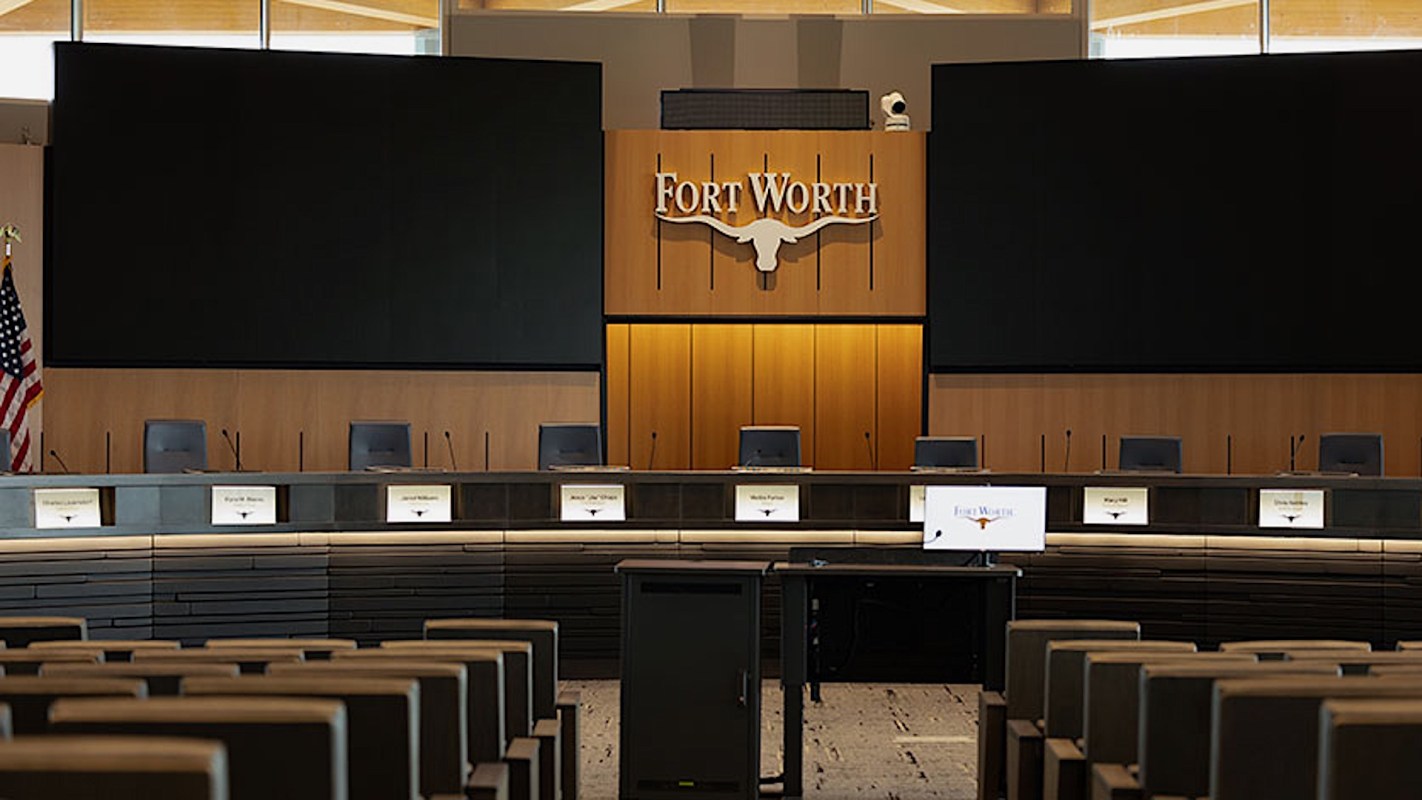
Fort Worth leaders are moving toward a temporary slowdown in new data center development amid resident concerns over noise and water consumption.
If the proposal is ultimately adopted, the city would use a 90-day moratorium to assess how the rapidly expanding industry could affect neighborhoods and natural resources before more projects proceed.
What's happening?
A 90-day freeze on new data center construction moved a step closer on Aug. 11, when the Fort Worth City Council voted to advance the idea.
It still requires public hearings and additional council action, so the 90-day the earliest it could take effect is Feb. 16.
Residents packed the council meeting as officials took up the issue, underscoring growing worries about how data centers could affect quality of life, KERA News reported.
If the pause takes effect, city officials are expected to spend that time examining noise, water demand, long-term water availability, land-use compatibility, and the infrastructure linked to these facilities.
TCD Picks » Quince Spotlight
💡These best-sellers from Quince deliver affordable, sustainable luxury for all




In another 10-1 vote, council members said future data center applications must include proof that Texas utility regulators, including ERCOT, have approved a project before it connects to the grid.
The council also voted 10-1 to set up a Data Center & Infrastructure Committee to help shape future regulations.
Trying to reassure frustrated residents before the vote, council member Elizabeth Beck said, "We are here to work with you on this. We aren't your enemy in this fight. This is something that impacts everyone in the city of Fort Worth. If it impacts you, it impacts me."
Why does it matter?
Data centers help power AI tools, cloud storage, and other digital services, but they can also require massive amounts of electricity and water.
TCD Picks » Quince Spotlight
💡These best-sellers from Quince deliver affordable, sustainable luxury for all
Residents have raised concerns about whether households could end up bearing the cost of expanded energy and water infrastructure, and whether the facilities could be built too close to homes and green spaces.
State Rep. Vikki Goodwin, D-Austin, said the vote could "send a signal" to lawmakers.
"It behooves the legislature to put in place some regulation, transparency of energy and water use, making sure that the data center companies … aren't pushing those costs for new transmission of energy and water onto households," Goodwin said.
There has also been criticism of the city's current approach. Some residents argued that Fort Worth should have started the process sooner, while Caleb Roberts, executive director of Downwinders at Risk, warned that the delay before the moratorium takes effect could prompt developers to rush applications through first.
What's being done?
As the moratorium process plays out, the advisory committee is expected to examine the impacts of data centers and recommend ordinances that could better protect neighborhoods while also providing developers with clearer expectations.
Those future rules could address where data centers are allowed, how far they must be from homes, how noise is managed, and what standards should apply to water and wastewater use.
State law also allows the city to seek a 90-day extension, resulting in a possible maximum of 180 days if officials determine that more study is needed.
Residents will also have more chances to weigh in at two public hearings before any moratorium can take effect.
As southwest Fort Worth resident Gary Hogan put it, "I don't think there's one person on this city council that would like to have this data center 200 feet from their home."
Sue Weston, owner of Weston Gardens, added, "We need to listen … and take it seriously."

Get TCD's free newsletters for easy tips, smart advice, and a chance to earn $5,000 toward home upgrades. To see more stories like this one, change your Google preferences here.







