


An unusual discovery in the Florida Everglades may carry a bit of good news.
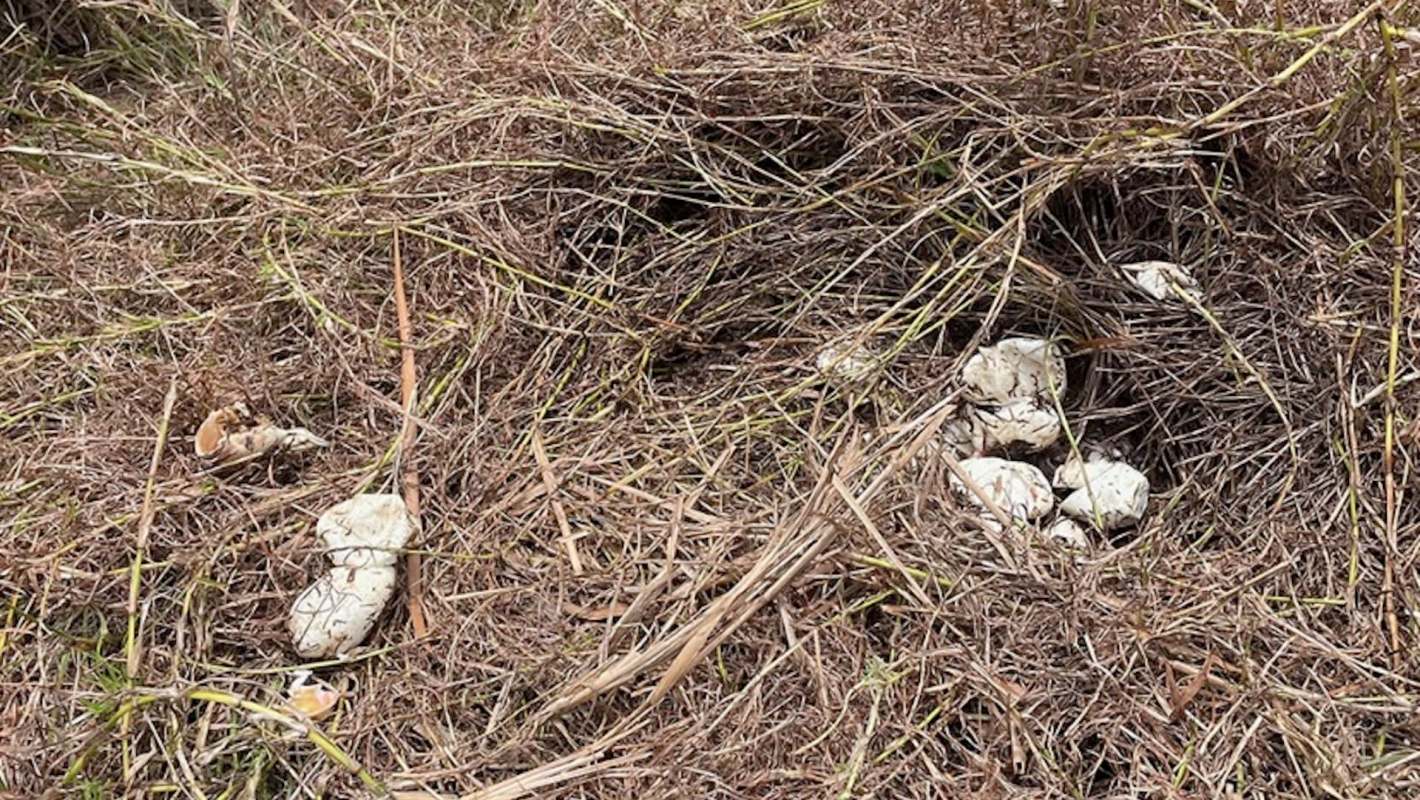
Researchers spotted vultures eating eggs from a Burmese python nest in what they described as the first recorded case of native birds targeting the invasive snake's eggs.
For a state that has spent years trying to control rapidly growing python populations, the finding shows local wildlife may be offering assistance.
What happened?
In Broward County's Francis S. Taylor Wildlife Management Area, part of the greater Everglades ecosystem, University of Florida researchers came across the birds' nest raid.
The event was reported by the Miami Herald and described in a February study published in the peer-reviewed journal Reptiles & Amphibians.
The nest was located in May 2023, and researchers connected it to a tagged female Burmese python. On a return visit a week later, the team found at least four vultures feeding at the nest. Thick grass kept the eggs hidden, leading researchers to believe the birds used their sense of smell to uncover the meal.
TCD Picks » Quince Spotlight
💡These best-sellers from Quince deliver affordable, sustainable luxury for all




The birds took off before researchers could identify their species, though both black vultures and turkey vultures are common in South Florida and had been observed in the area.
Researchers documented at least 17 eggs with puncture marks consistent with vultures. Three were outside the nest as shell fragments, while the others had been punctured, and their contents were exposed or gone.
The female python was found in shallow water about 40 feet away, and researchers saw no indication that any other predators had visited the site.
Why does it matter?
Burmese pythons are perhaps the most damaging invasive species in South Florida. Native to Southeast Asia, they became established in the region after escapes and releases linked to the pet trade.
U.S. Fish and Wildlife Service figures show that more than 180,000 Burmese pythons entered the United States through the live pet trade from 1975 to 2018, CBS News Miami reported.
A major reason the snakes have spread so successfully is that adult pythons face few predators. Wildlife officials consider American alligators, eastern indigo snakes, and Florida black bears to be among the native animals capable of taking on the pythons, though young snakes can be preyed on by birds, bobcats, and more.
"To the best of our knowledge, this observation is the first recorded instance of a native avian species preying on a Burmese python nest in Florida," the researchers wrote.
If native scavengers or predators disrupt python nests, even on occasion, it could give researchers important insights into weak points in the species' life cycle.
The implications extend beyond wildlife management. A healthy Everglades ecosystem supports water quality, flood protection, recreation, and tourism across South Florida, meaning any clue that could help slow an invasive apex predator may also benefit nearby communities.

Get TCD's free newsletters for easy tips, smart advice, and a chance to earn $5,000 toward home upgrades. To see more stories like this one, change your Google preferences here.






