


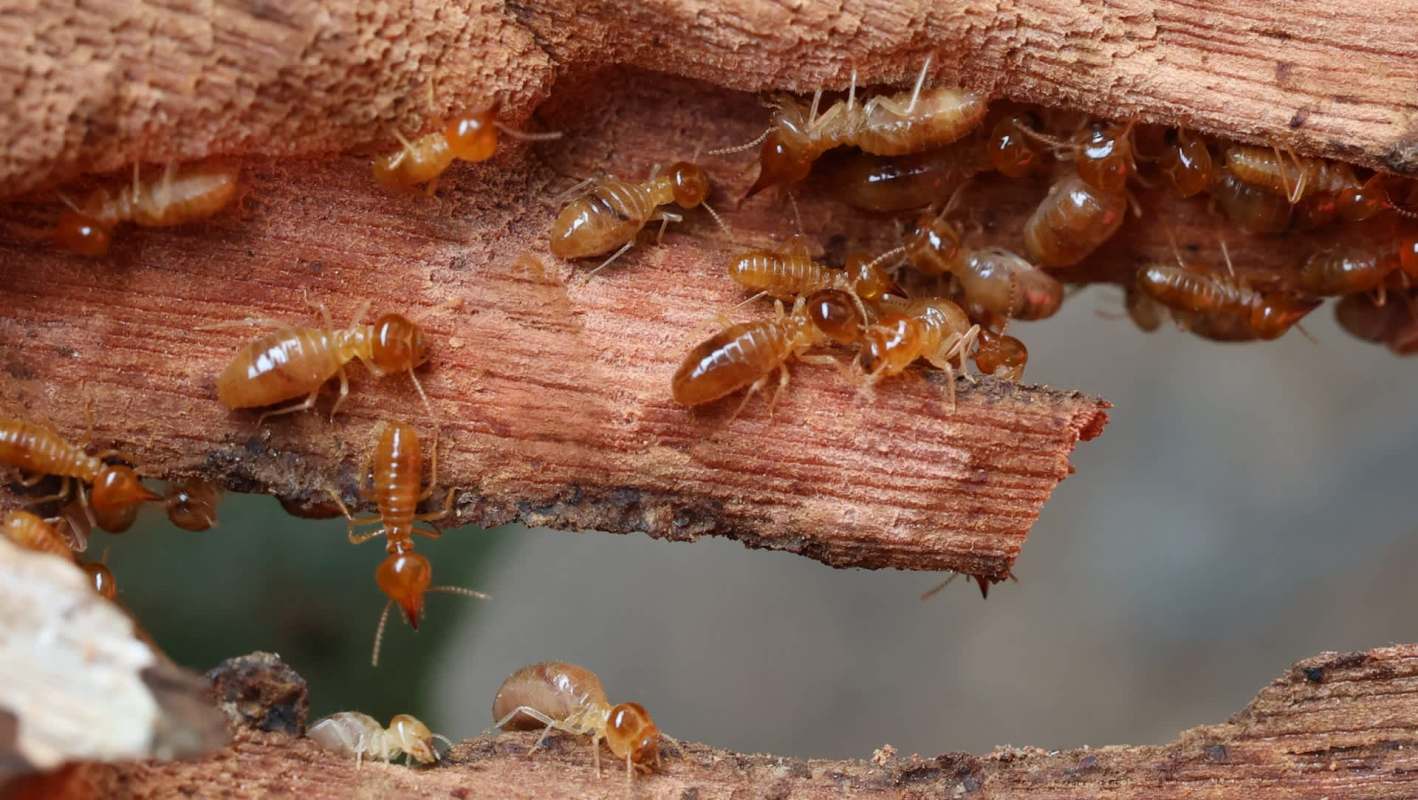
Florida's network of private boats may be helping invasive termites extend their range, with the pests potentially moving from one marina to another across the state.
That possibility was identified in a University of Florida study that followed the growing footprint of two destructive subterranean termite species, according to The Palm Beach Post (via Yahoo).
What's happening?
A 2025 University of Florida paper in Economic Entomology reviewed more than three decades of infestation records and found that boating activity appears to be helping move termite colonies around Florida.
The research focused on the invasive Formosan species and the Asian subterranean termite, according to the Palm Beach Post.
Thomas Chouvenc, a UF associate professor of urban entomology, said the pattern has been apparent.
"I would say it's been a long train crash in slow motion," he observed.
TCD Picks » Quince Spotlight
💡These best-sellers from Quince deliver affordable, sustainable luxury for all




The spread is hard to explain through natural movement alone.
Chouvenc noted that these termites typically disperse only a short distance from where they swarm — about a block at most — yet the Formosan species has now appeared in all highly populated coastal counties and in 44 of Florida's 67 counties.
The Asian species, expected to remain in warmer areas around West Palm Beach, has also spread north to the Space Coast and west into the Sarasota area.
In a state with heavy marina traffic and more than 100,000 registered vessels in South Florida alone, boats appear to be a likely vector for their spread.
Why does it matter?
This is, of course, far more than a nuisance for boat owners alone.
Both termite species are considered more destructive than many other termites found in Florida, and Chouvenc said they can even infest live, healthy trees, hollowing them out from the inside.
That creates an expensive problem for homeowners, boat owners, marinas, and lakefront communities.
Repairs, fumigation, and tree loss can add up quickly, and infestations can spread into neighborhoods through canals and inland waterways.
"This is how they start showing up in marinas and deeper inland through canals," Chouvenc warned.
Florida's enormous boating footprint adds to the risk.
In 2022, the Florida Fish and Wildlife Conservation Commission said the state had 1.02 million registered vessels, a 14% increase from 2012. Boats can also be trailered inland, which may help explain how both termite species have been detected in places such as Bartow.
That kind of spread increases property damage, pest control costs, and harm to the urban tree cover that helps neighborhoods stay cooler and healthier.
What's being done?
The UF research itself is part of the response.
Chouvenc noted that the study reflects a collaboration with many pest control providers, allowing researchers to monitor where infestations are appearing.
Pest control companies are also treating boats much like homes. Julio Pujol, managing partner for Krypton Pest Control, said his company has treated about five boats for termites in 2025 and that around 3% of its business comes from the boating industry.
"The No. 1 sign boat owners see is the actual insects when they swarm," Pujol said.
Other warning signs include discarded wings and mud tubes — narrow, dirt-colored tunnels termites use to travel between colonies and food sources.
Larger boats may be especially vulnerable because they can contain enough wood to support a colony for extended periods.

Get TCD's free newsletters for easy tips, smart advice, and a chance to earn $5,000 toward home upgrades. To see more stories like this one, change your Google preferences here.






