


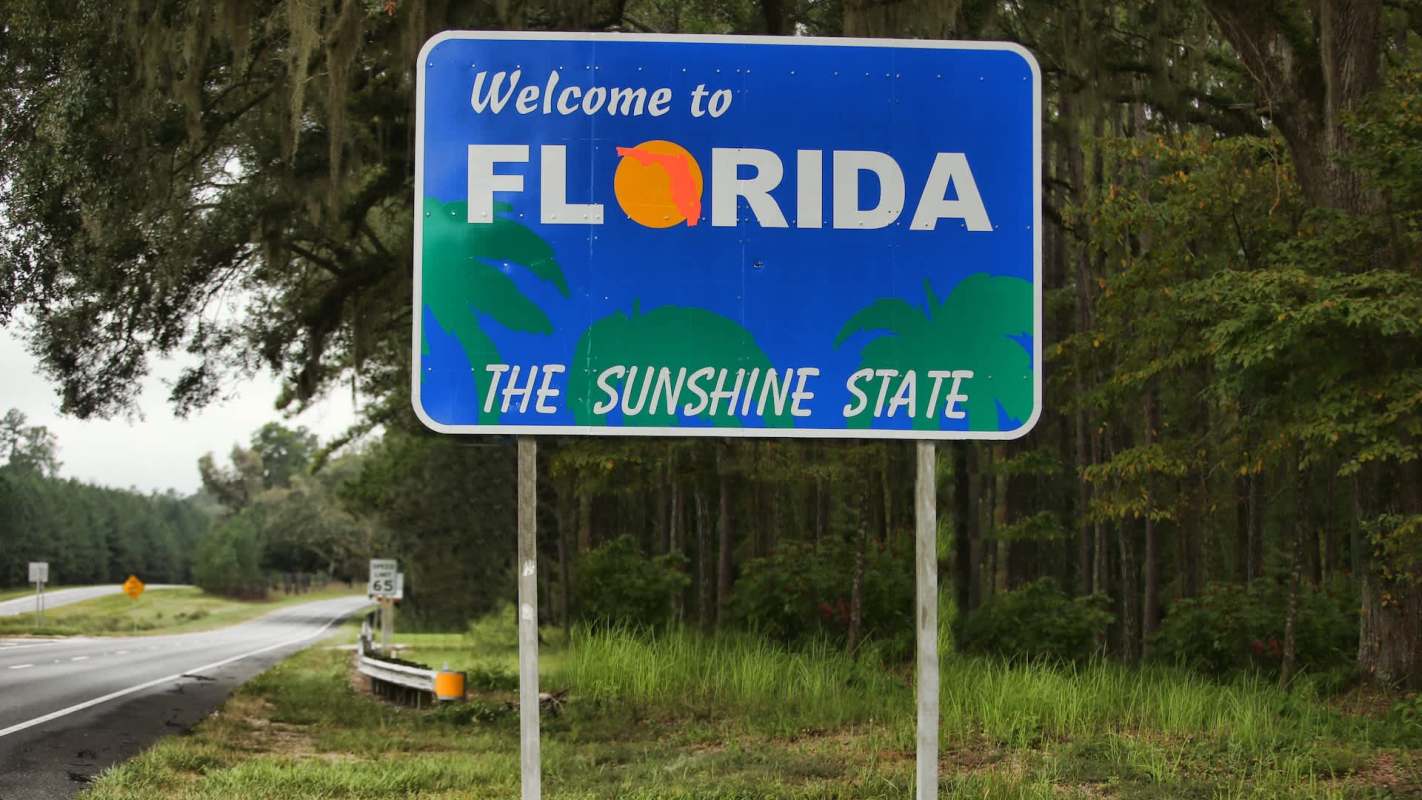
Florida may repurpose almost $200 million in federal funding meant for EV charging stations on highways and use it to back electric air taxis instead.
The money was intended to expand highway charging access for regular drivers. Instead, it could help build an "Aerial Highway Network" around a technology with no commercial U.S. launch yet.
What happened?
A Miami Herald investigation cited by InsideEVs reports found that Florida wants to use its $198 million share of the National Electric Vehicle Infrastructure program for eVTOL charging infrastructure rather than for the public fast chargers the program was designed to expand.
The Florida Department of Transportation wants charging equipment installed at 32 vertiports, or takeoff-and-landing hubs for electric air taxis, according to documents the Miami Herald obtained. The price tag is estimated at about $5.6 million per location, with possible sites including airports, military bases, luxury apartment buildings, and golf courses.
The agency has pointed to private companies as having done most of the work building out Florida's EV charging network, noting that the state has 452 fast-charging stations and that its number of charging ports has doubled.
Even so, the aircraft remain experimental. Companies including Joby Aviation have carried out test flights, among them a week-long series in New York City in April, but no eVTOL has entered commercial air-taxi service anywhere in the country.
TCD Picks » Quince Spotlight
💡These best-sellers from Quince deliver affordable, sustainable luxury for all




Why does it matter?
The biggest concern is who stands to benefit. NEVI funding was meant to cover charger gaps private companies might skip, especially in rural or less profitable areas. Redirecting those dollars to air taxi infrastructure could leave many Florida drivers with fewer dependable charging options, even as Florida ranks second nationally in EV registrations, with well over 450,000 on the road.
A stronger public charging network can make cleaner transportation more practical for families, commuters, and travelers while also cutting harmful tailpipe pollution. Stricter vehicle emissions rules could save roughly 40,000 lives and keep tens of thousands of people out of the hospital over time, according to Environmental Protection Agency estimates.
The proposal points to a mismatch between public need and public investment. Vertiports at golf courses and luxury apartment buildings suggest early access to this system could go to a small, affluent group rather than the wider population that would actually use highway chargers.
Florida drivers are already adopting electric vehicles on a large scale, even as the state has criticized EV policy in political terms.
What's being done?
Other states have used NEVI funds more conventionally, moving from planning to deployment to build fast chargers along major travel corridors and in underserved communities. Once those corridor requirements are met, states can apply remaining funds to other charging needs, which is how Florida is attempting to justify the shift.
Private investment is also continuing to expand charging access nationwide, with networks such as Tesla, Electrify America, ChargePoint, Ionna, and Walmart growing their footprints. Still, private buildout alone doesn't always reach the places federal programs were designed to serve.
The Florida Department of Transportation has been explicit in its planning documents, writing that it "will not waste taxpayer dollars and spend it on everyday passenger vehicles" and instead wants to support "a new emerging mode of transportation that provides passenger service and fulfills the transportation needs in our state."

Get TCD's free newsletters for easy tips, smart advice, and a chance to earn $5,000 toward home upgrades. To see more stories like this one, change your Google preferences here.






