Across the country, from San Diego to Long Island, opposition to Flock surveillance cameras is rising, with some Americans publicly praising those putting the devices out of commission.
Here's what to know
According to The Verge, resistance to Flock cameras has taken many forms across the U.S., ranging from protests and physical blockades to unplugging units and damaging them with paint, force, theft, and other acts of destruction.
Online, many commenters have sided with those targeting the cameras, and the resistance's loose, decentralized nature has made it harder for authorities to shut it down.
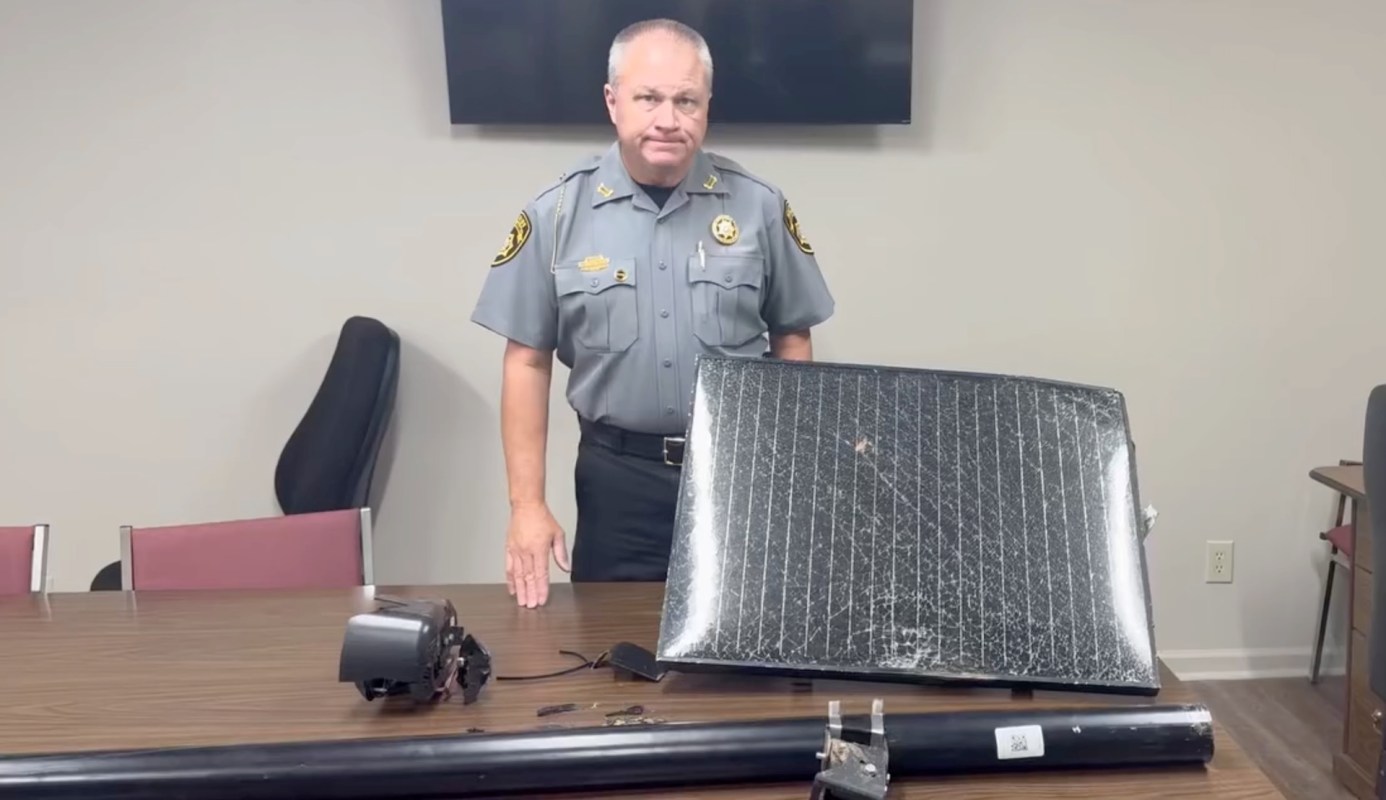
After a Flock camera near a park in Lumpkin County, Georgia, was destroyed, Sheriff Stacy Jarrard offered a $1,000 reward for information. Rather than backing the request, many commenters mocked it.
"Looks like a Constitutional wind blew it over," one commenter wrote.
Another added, "Looks like somebody fixed it for you guys."
TCD Picks » Quince Spotlight
💡These best-sellers from Quince deliver affordable, sustainable luxury for all




More background
On Long Island, police in Suffolk County said four Flock cameras were disconnected, painted over, and hit by a car, The Verge reported.
Reaction to a New York Post story about the incidents was similarly supportive, with one reader writing, "They've tried to put them up by my house, but someone keeps running them over. I bet they have gone through a dozen, so far. Thanks to whoever is doing it."
The support has extended beyond comment sections. In Ohio, a grand jury declined to indict an alleged Flock vandal, and the felony case was dismissed. A Virginia Air Force engineer accused of taking down 13 Flock cameras received more than $44,000 in legal-defense donations through GoFundMe.
These reactions point to a broader erosion of trust in surveillance systems marketed as public safety tools. For communities already concerned about privacy and accountability, that frustration can spill over into resentment over how public spaces are monitored and who controls the data.
Not at all unwarranted, law enforcement has been known to use these AI-powered cameras to track individual vehicles and people based on a wide range of identifying characteristics. Eighteen cops in Georgia were arrested last month for misusing Flock cameras. Other news stories have exposed police officers around the country using the cameras to stalk romantic interests, spouses, and other innocent people.
What's being done?
Jarrard is under pressure to show more responsiveness to privacy concerns. In a follow-up video, he acknowledged the need for privacy measures, though he did not say the cameras would be removed.
Policy safeguards — such as limits on data retention, clearer rules on who can access footage, and public oversight of where cameras are installed — are often where these disputes go next. Community pressure can force those conversations into the open.
In Minnesota and Texas, the rage against Flock cameras has prevailed, with police backing down and vowing not to reinstall the devices after they were stolen or destroyed. The broader challenge is rebuilding trust in ways that genuinely respect communities rather than monitoring them by default.
"We need more safeguards in motion," Jarrard said. "I'm going to listen to you."

Get TCD's free newsletters for easy tips, smart advice, and a chance to earn $5,000 toward home upgrades. To see more stories like this one, change your Google preferences here.